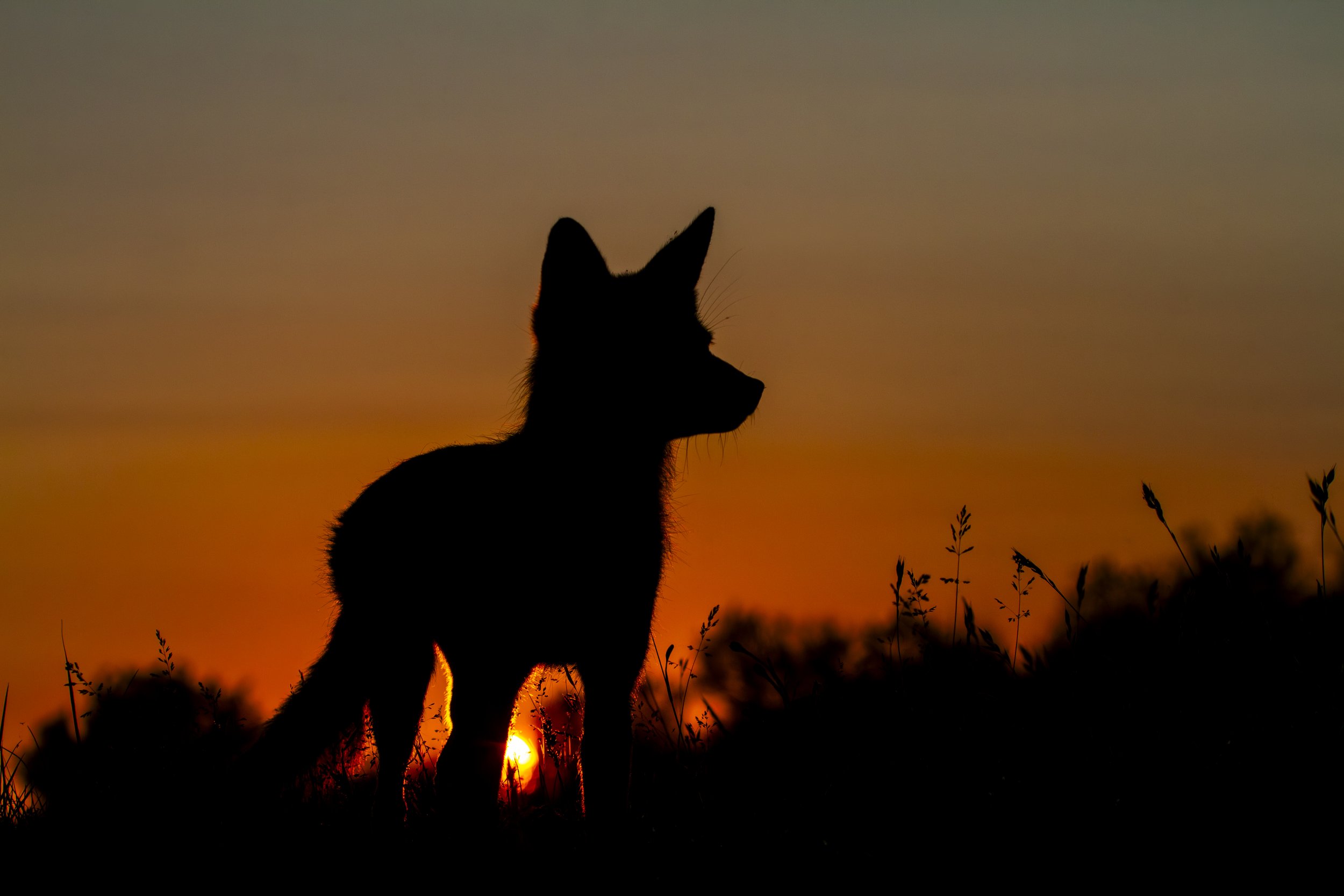
Parrots of the Caribbean
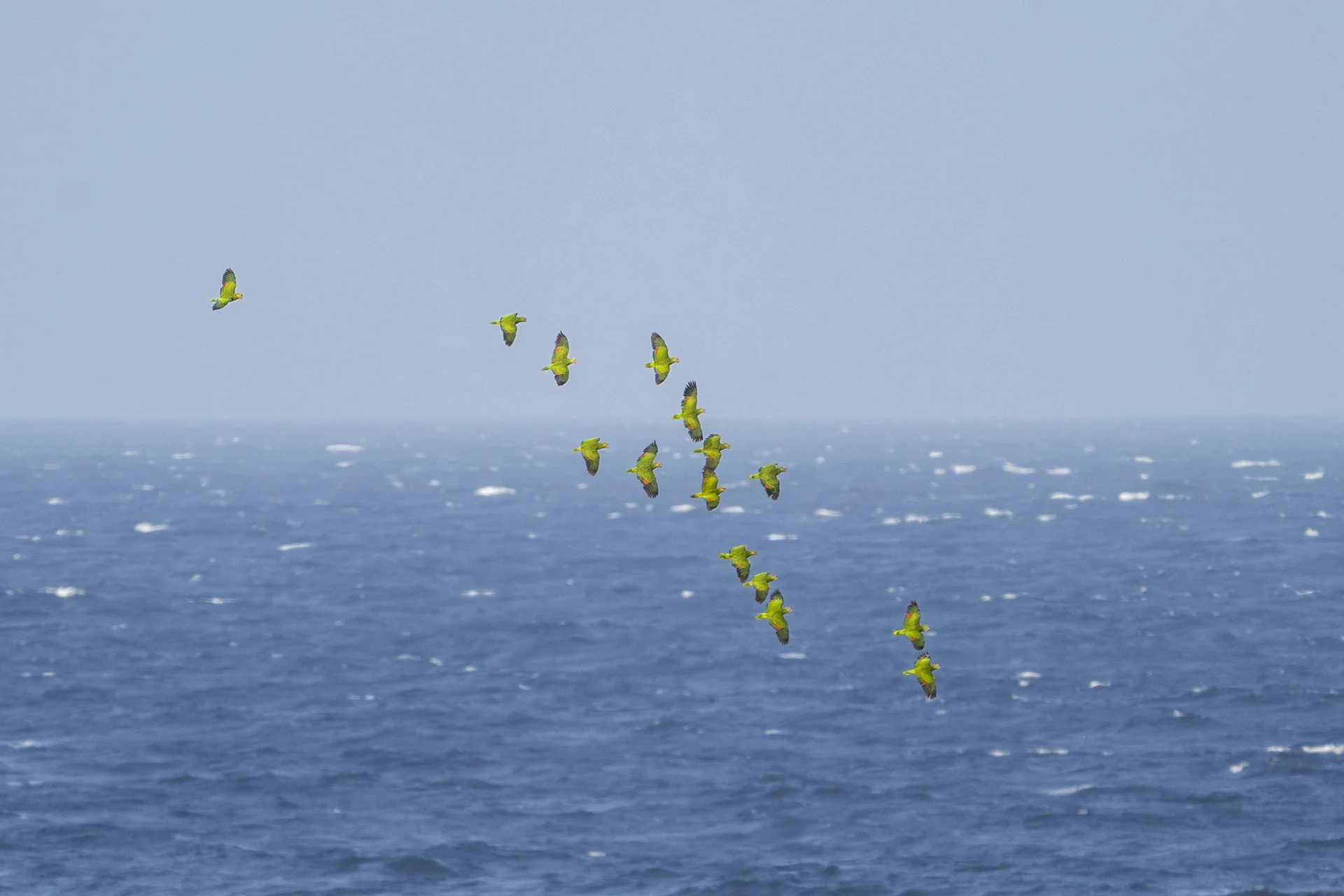
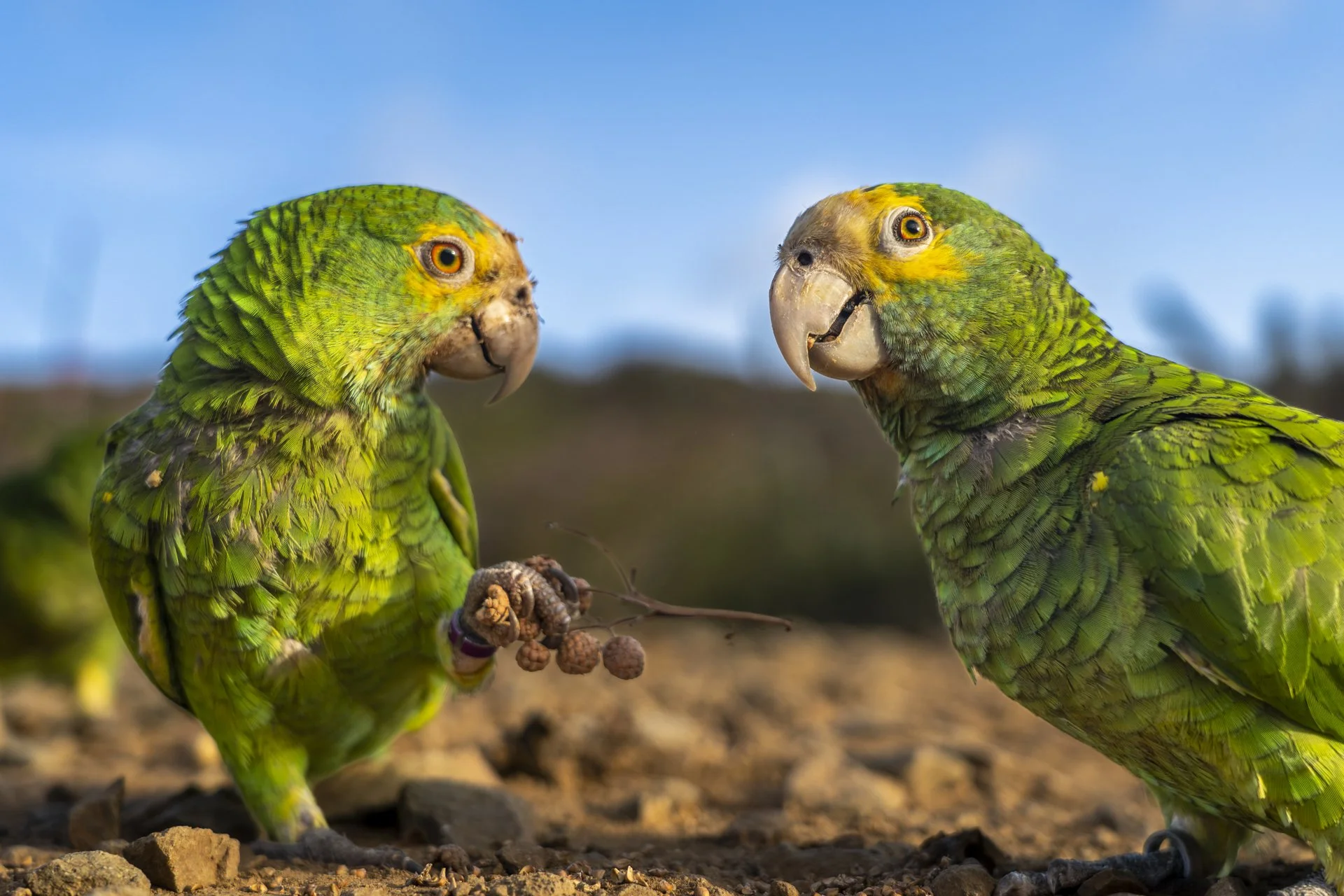
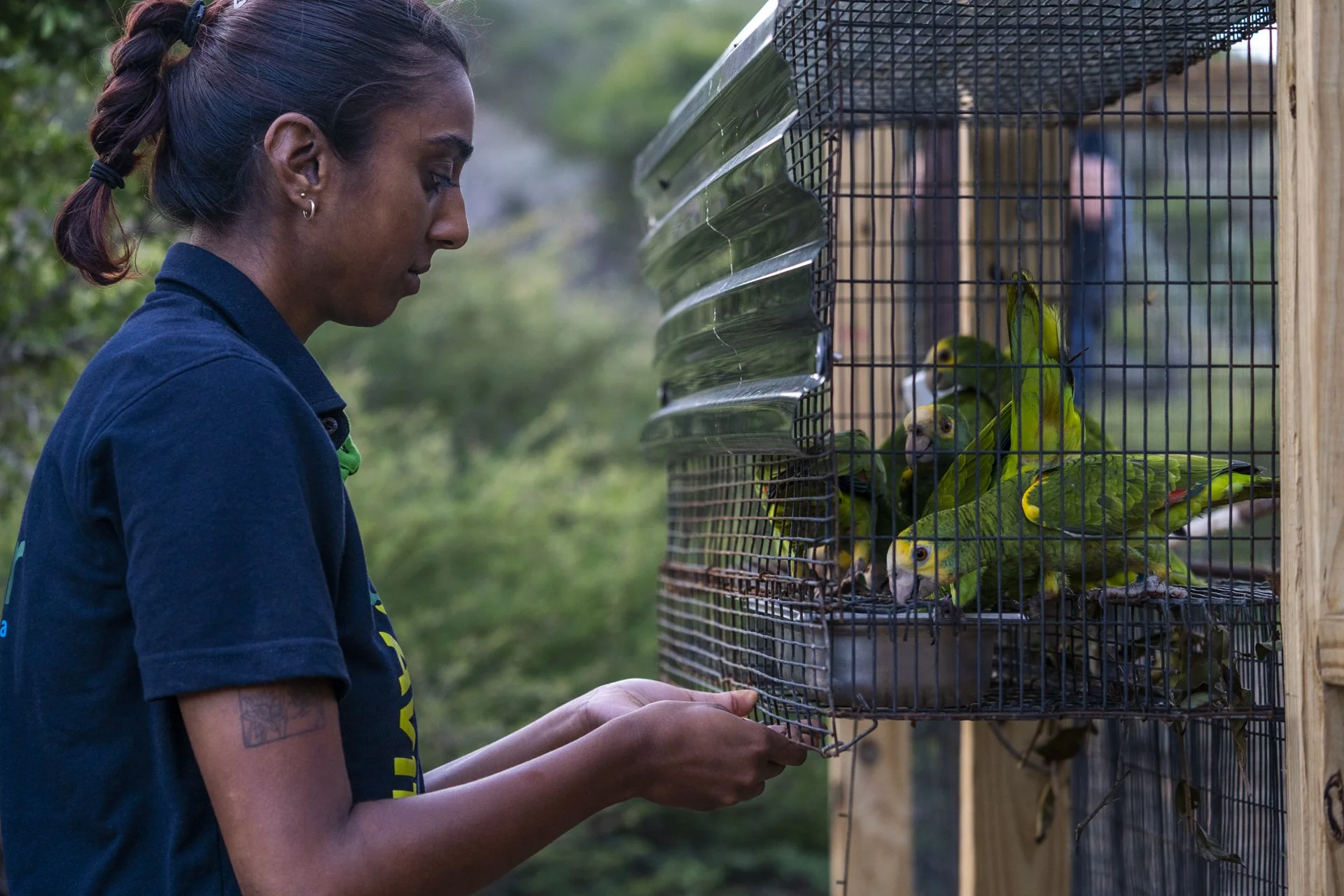
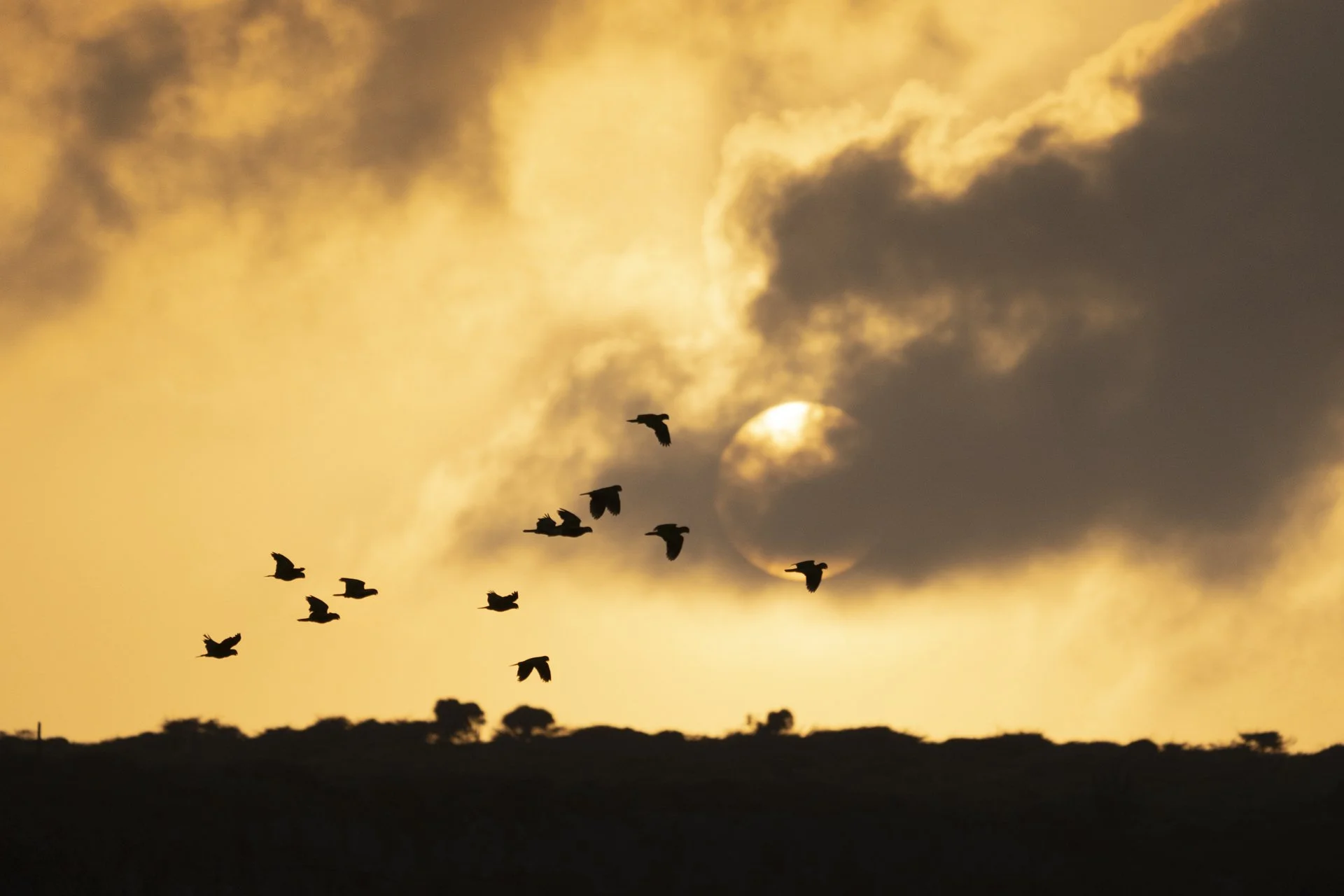
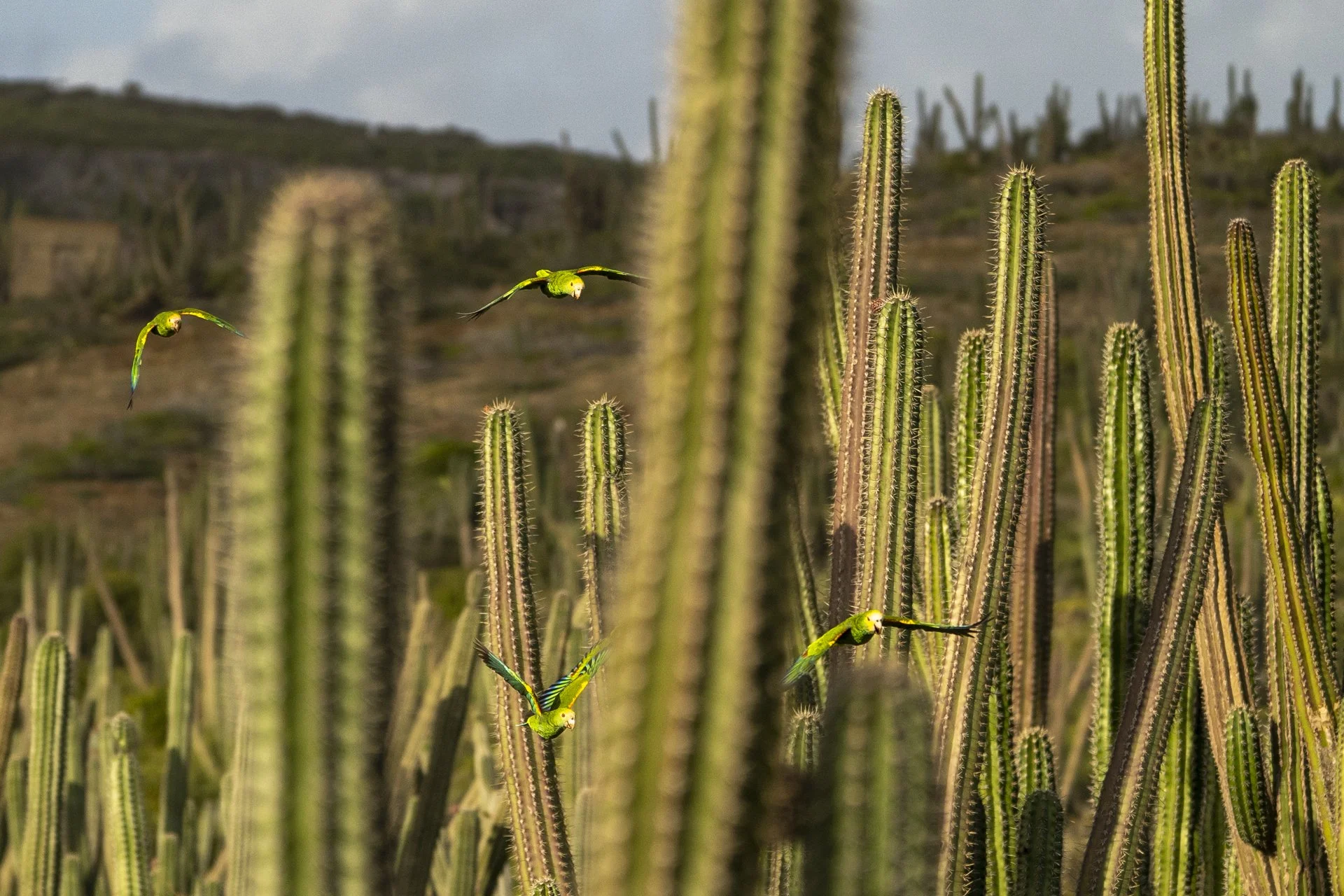
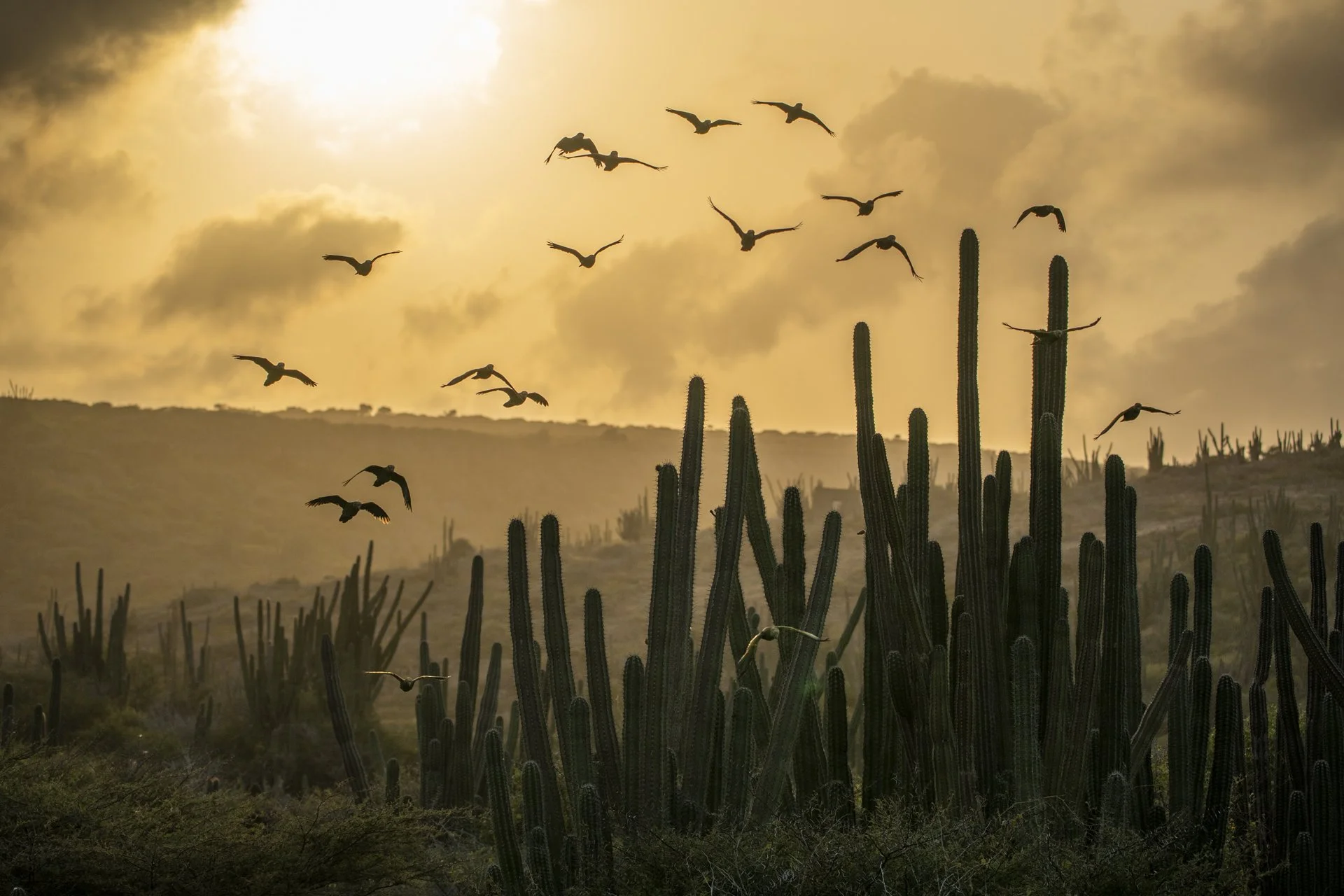
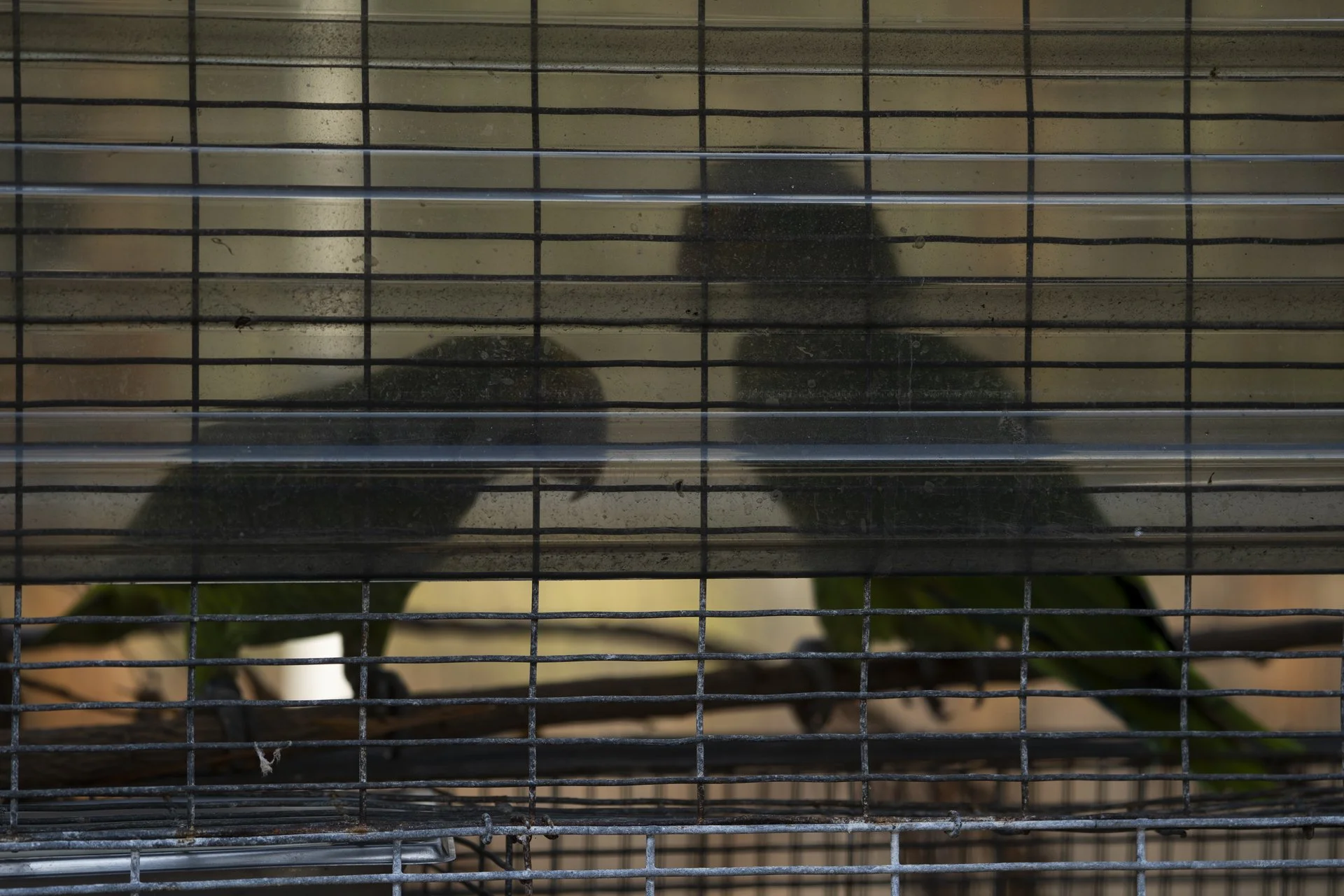
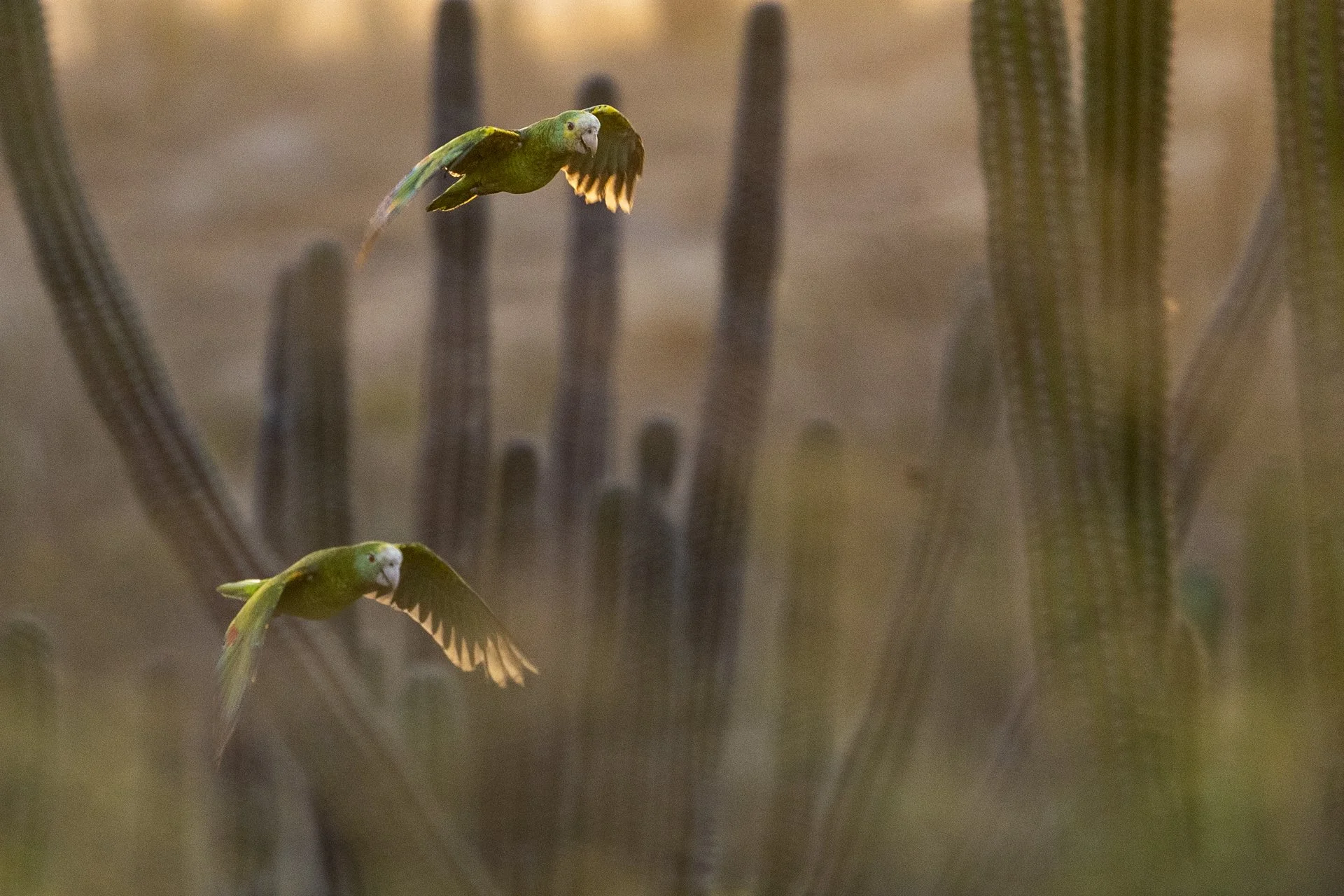
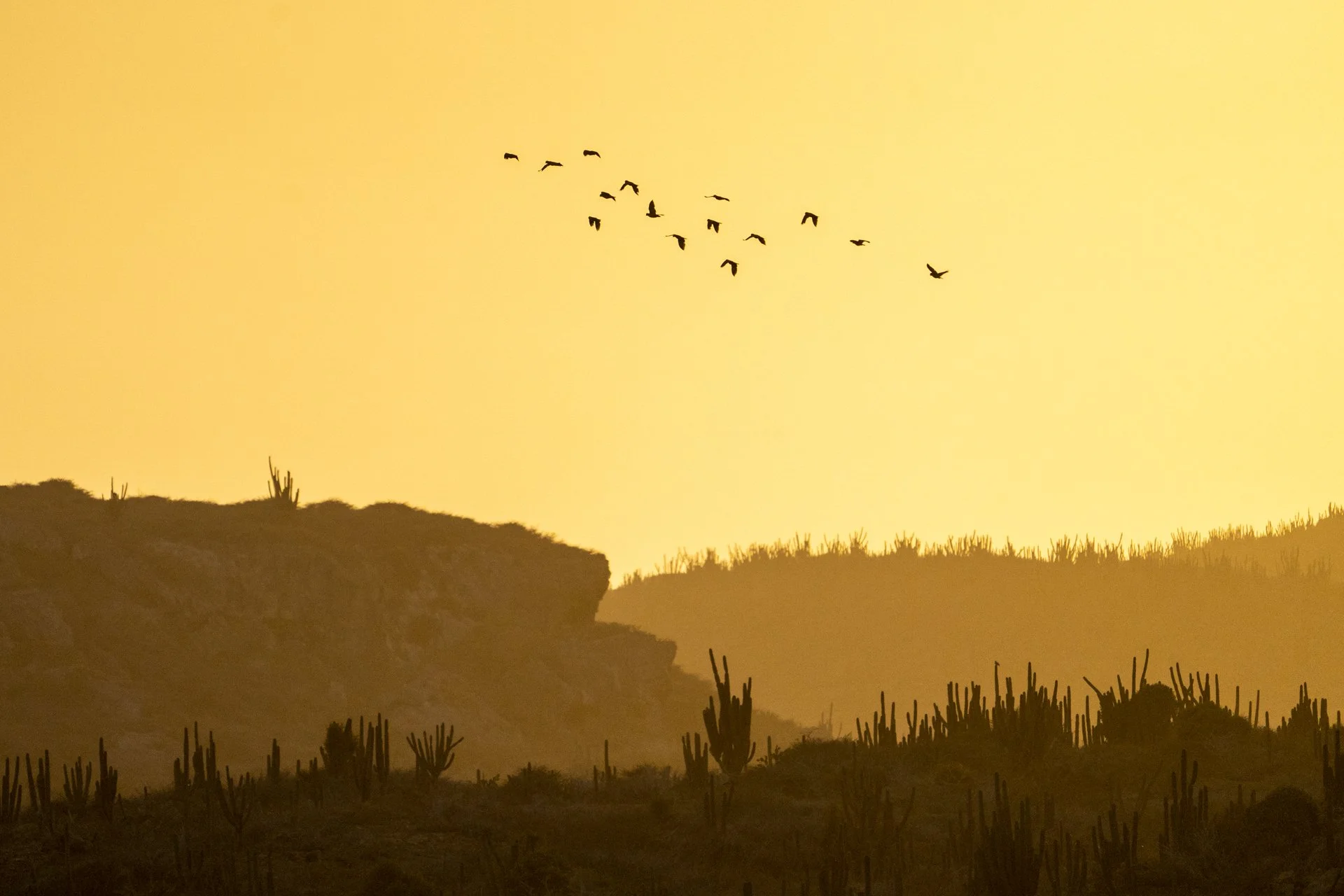
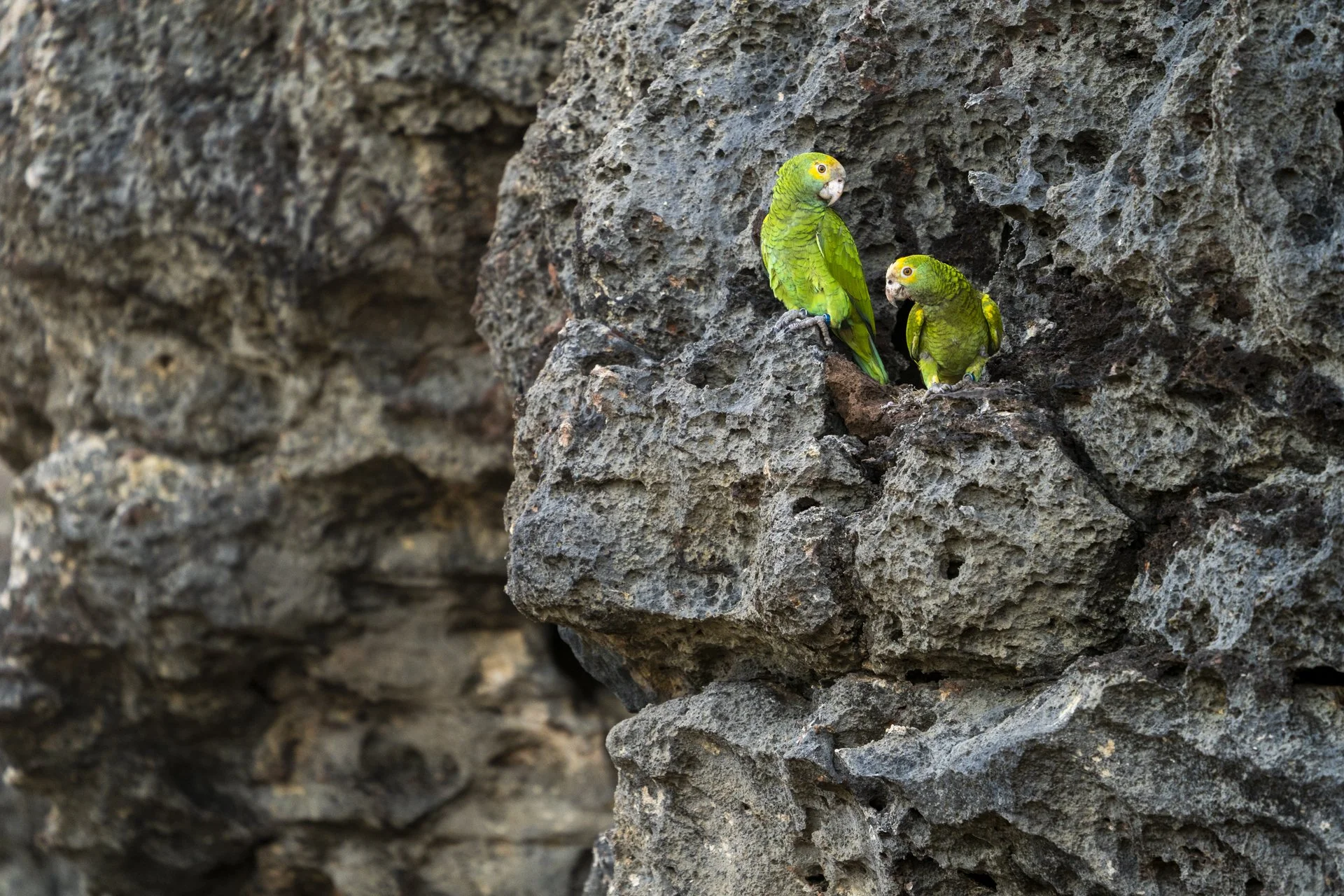
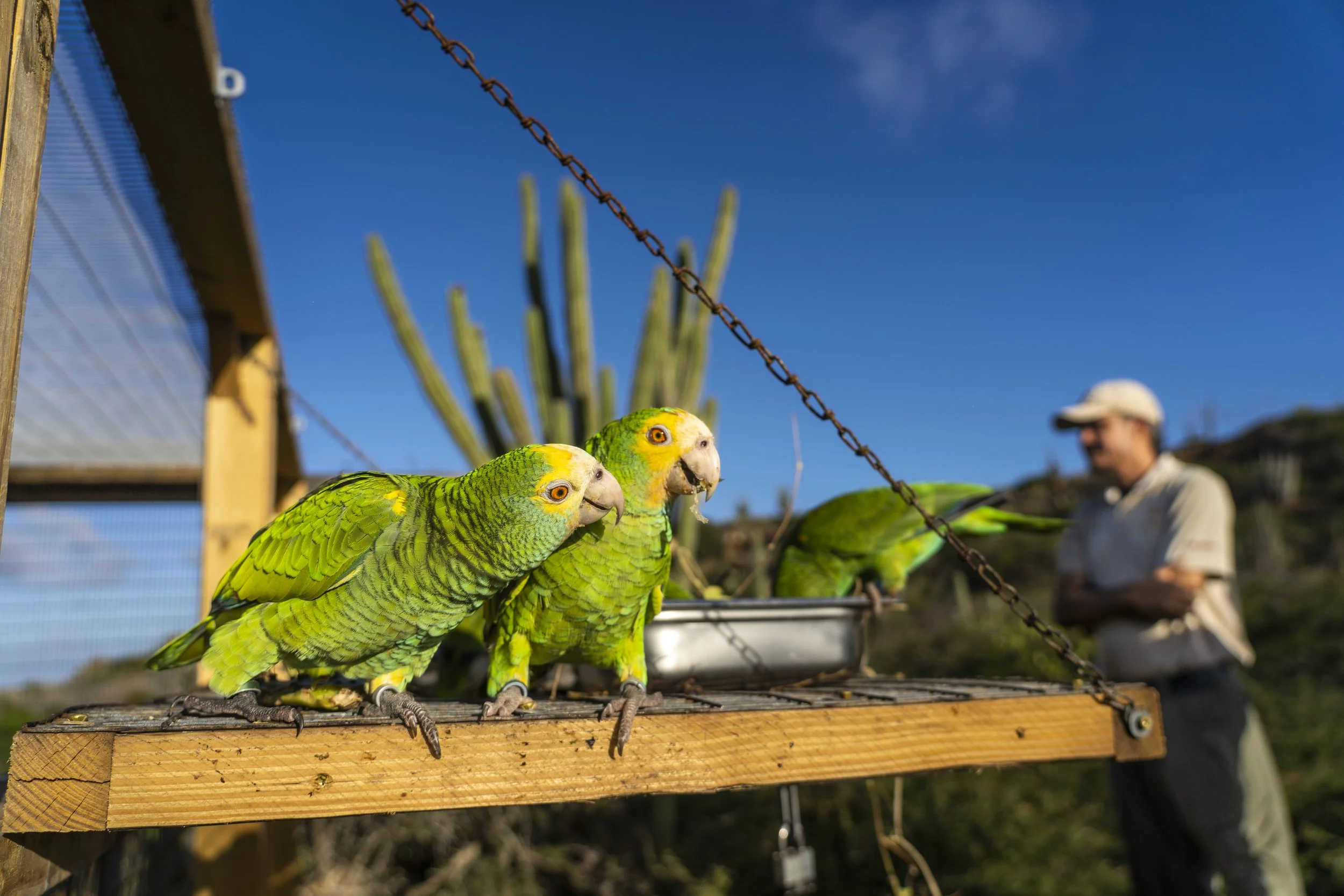
“Parrots of the Caribbean” is a documentary project I photographed on Aruba, following the return of the yellow-shouldered amazon. A species that vanished from the island in 1947. Working alongside the Aruba Conservation Foundation, I documented the delicate process of raising confiscated chicks, preparing them for the wild, and reintroducing them into a landscape defined by scarcity, heat and cactus-dominated desert scrub.

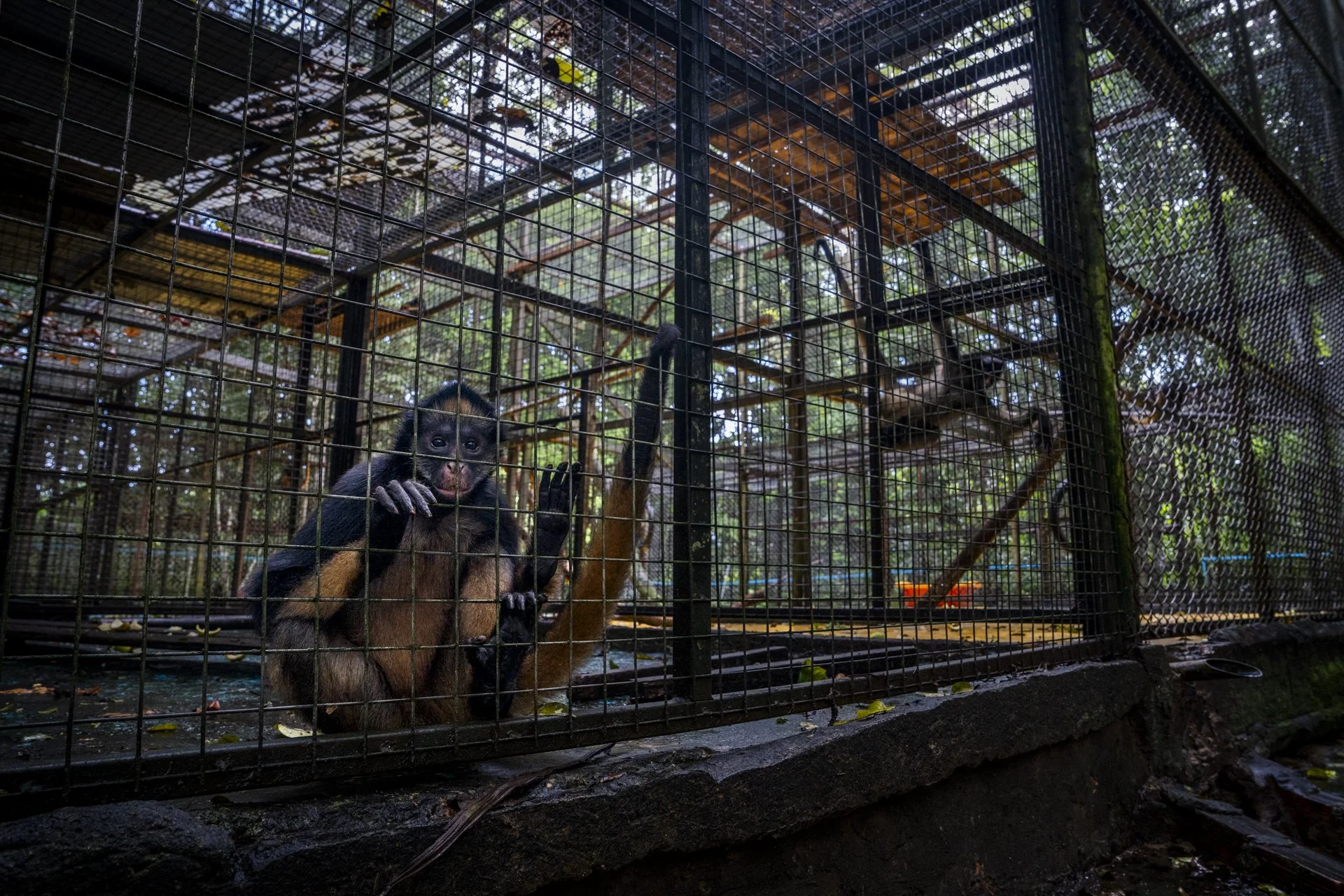
The story highlights both the beauty of these charismatic birds and the reality of poaching, which threatens roughly a third of the world’s parrot species (page 2). I followed conservation officers capturing their round-the-clock work to protect nests, raise fledglings, and monitor the first flock to return to Aruba in nearly eight decades.

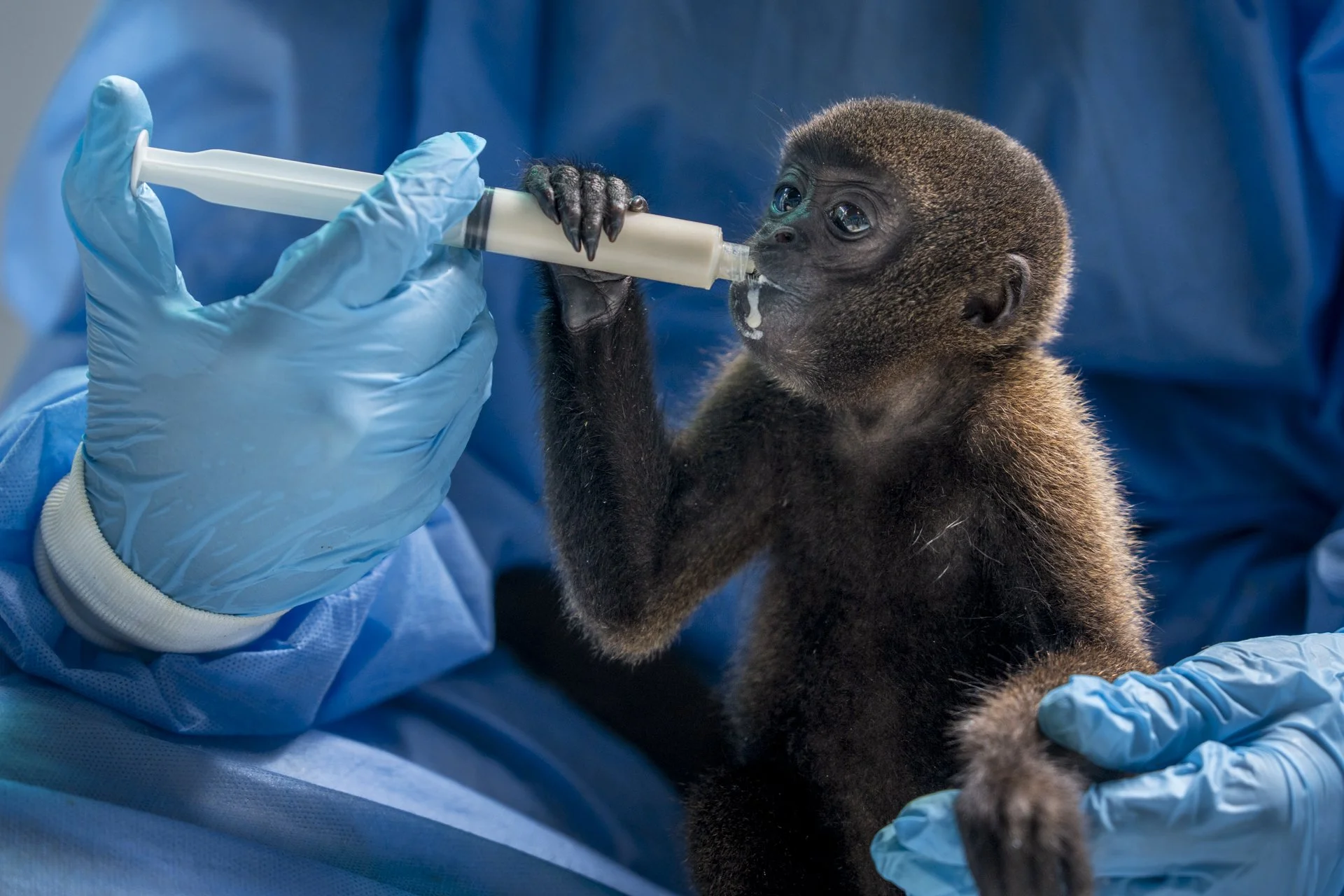
This project is about resilience — of birds, of ecosystems, and of the people fighting to bring them back. It blends conservation storytelling with intimate field moments: chicks being hand-fed, young parrots practising social behaviours, and the first releases into the golden light of Aruba’s national park.

Published in BBC Wildlife Magazine, the story combines my scientific background with cinematic documentary photography to make a complex conservation effort accessible and emotionally engaging.

Restoring the Coastline, One Seed at a Time

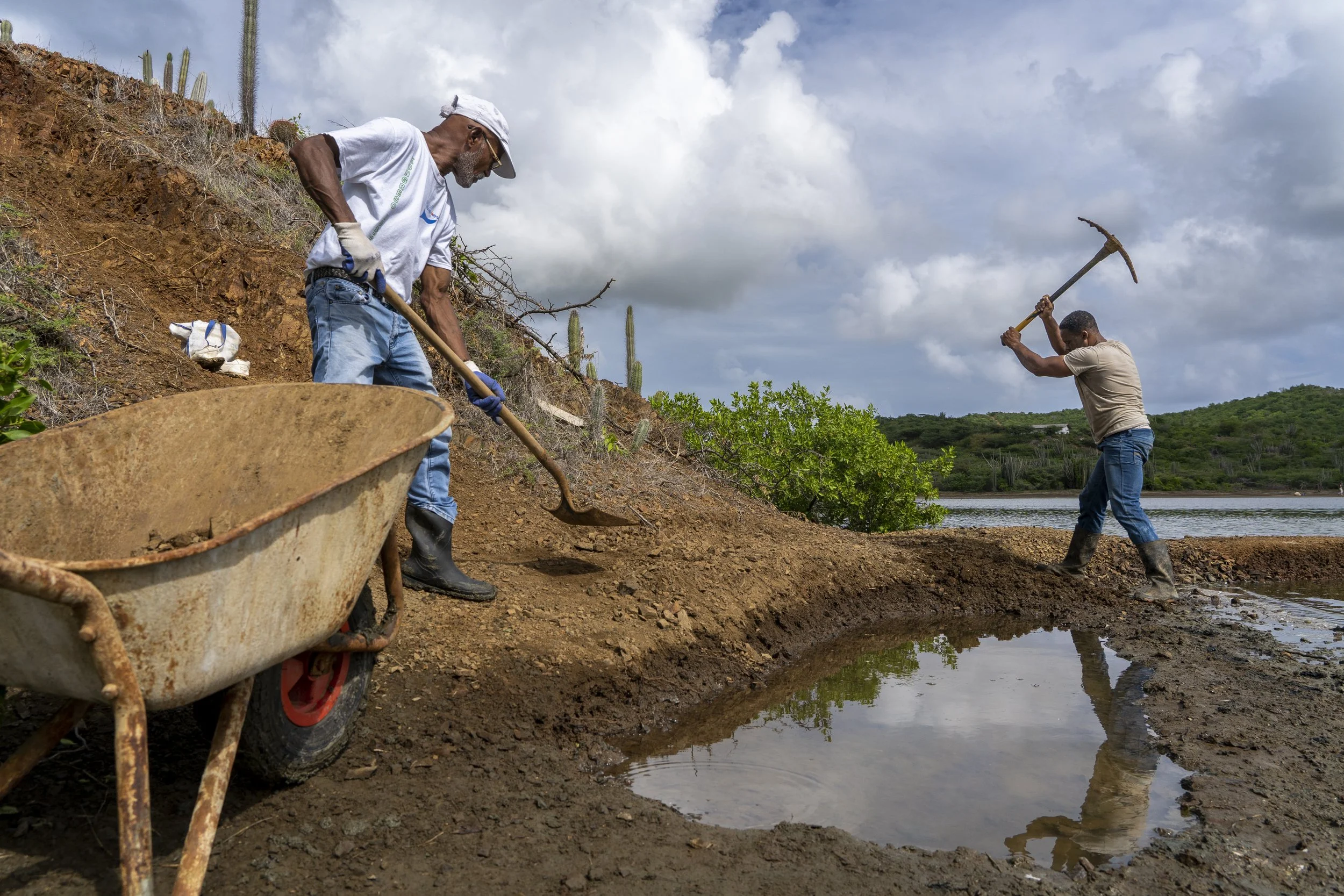
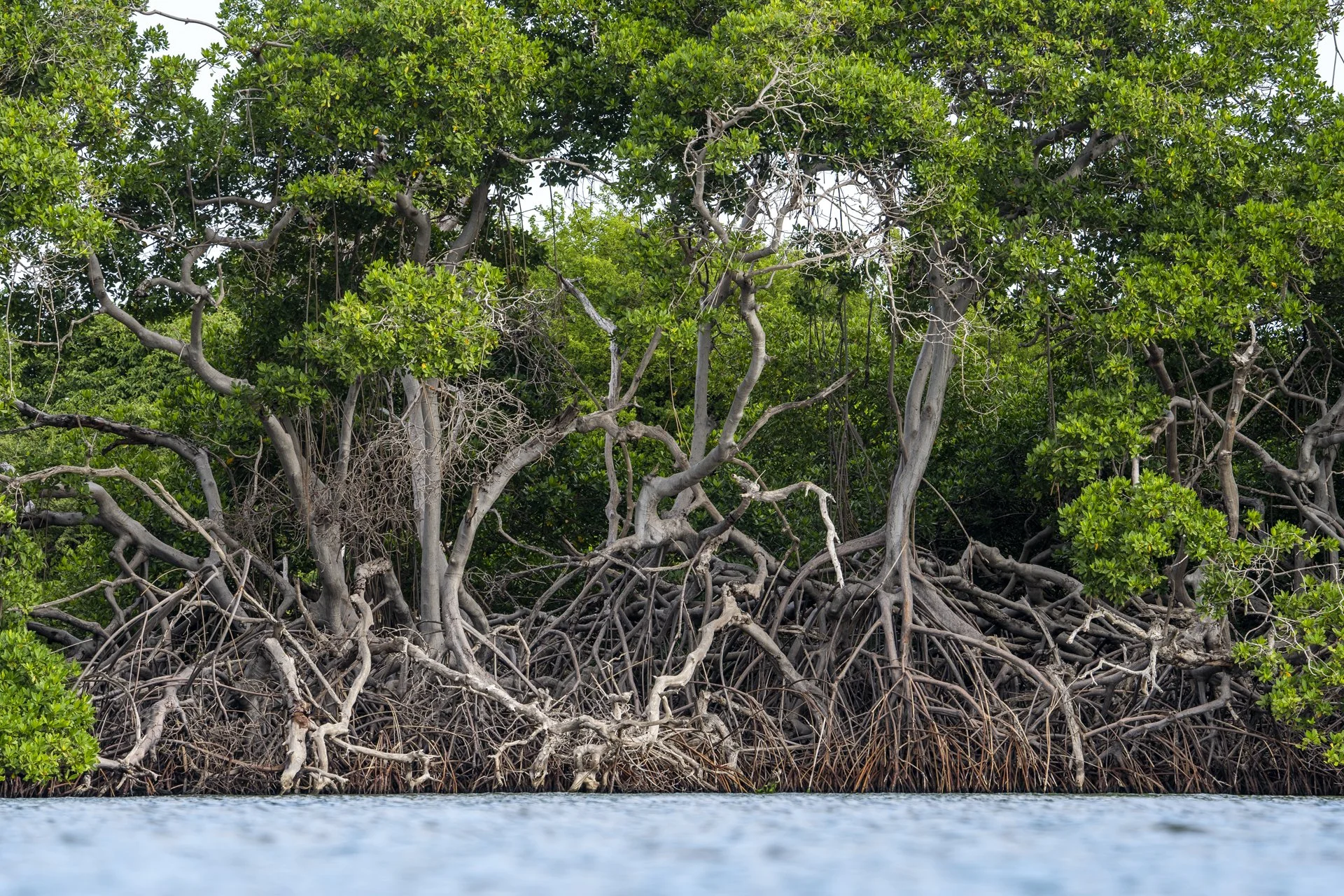
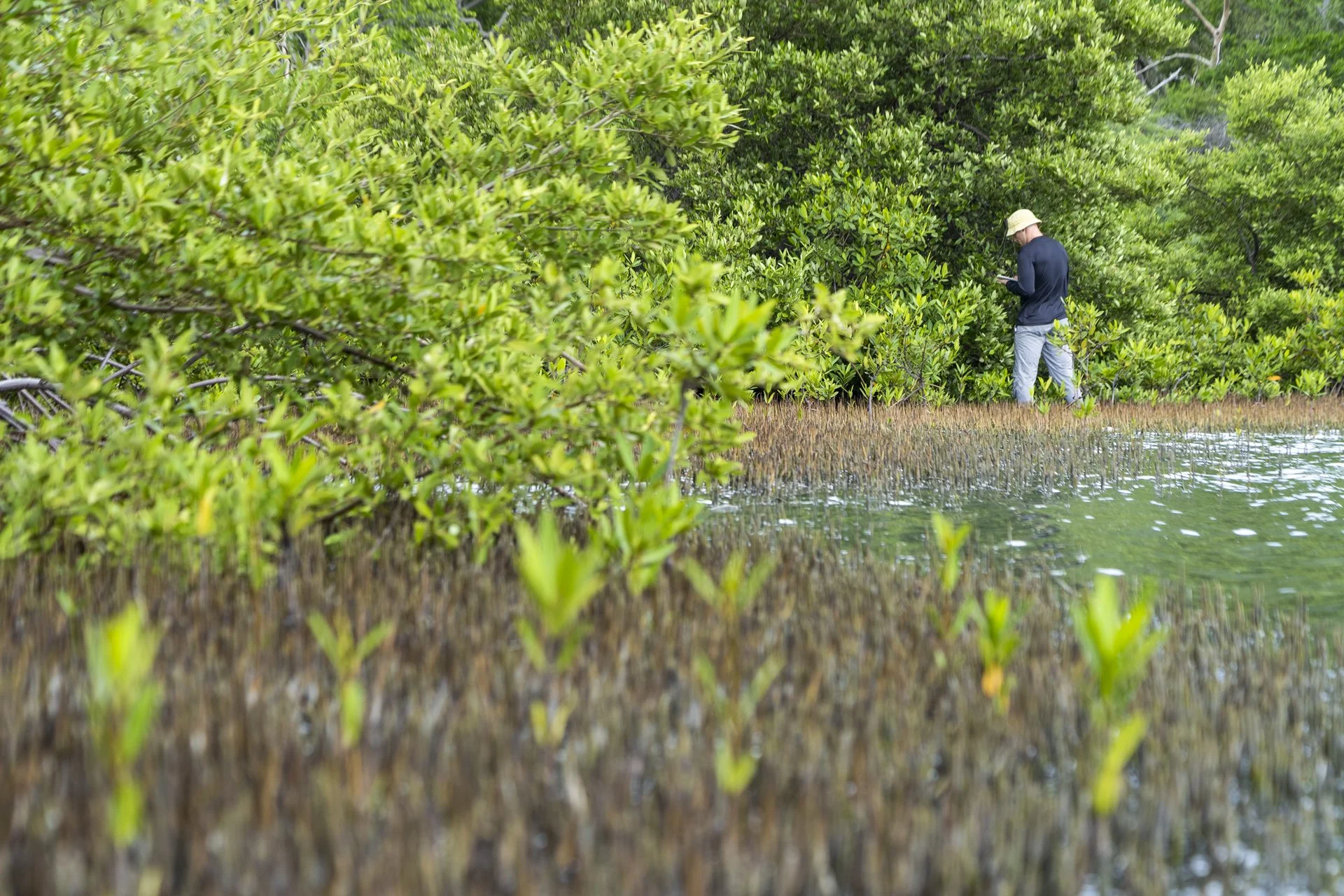
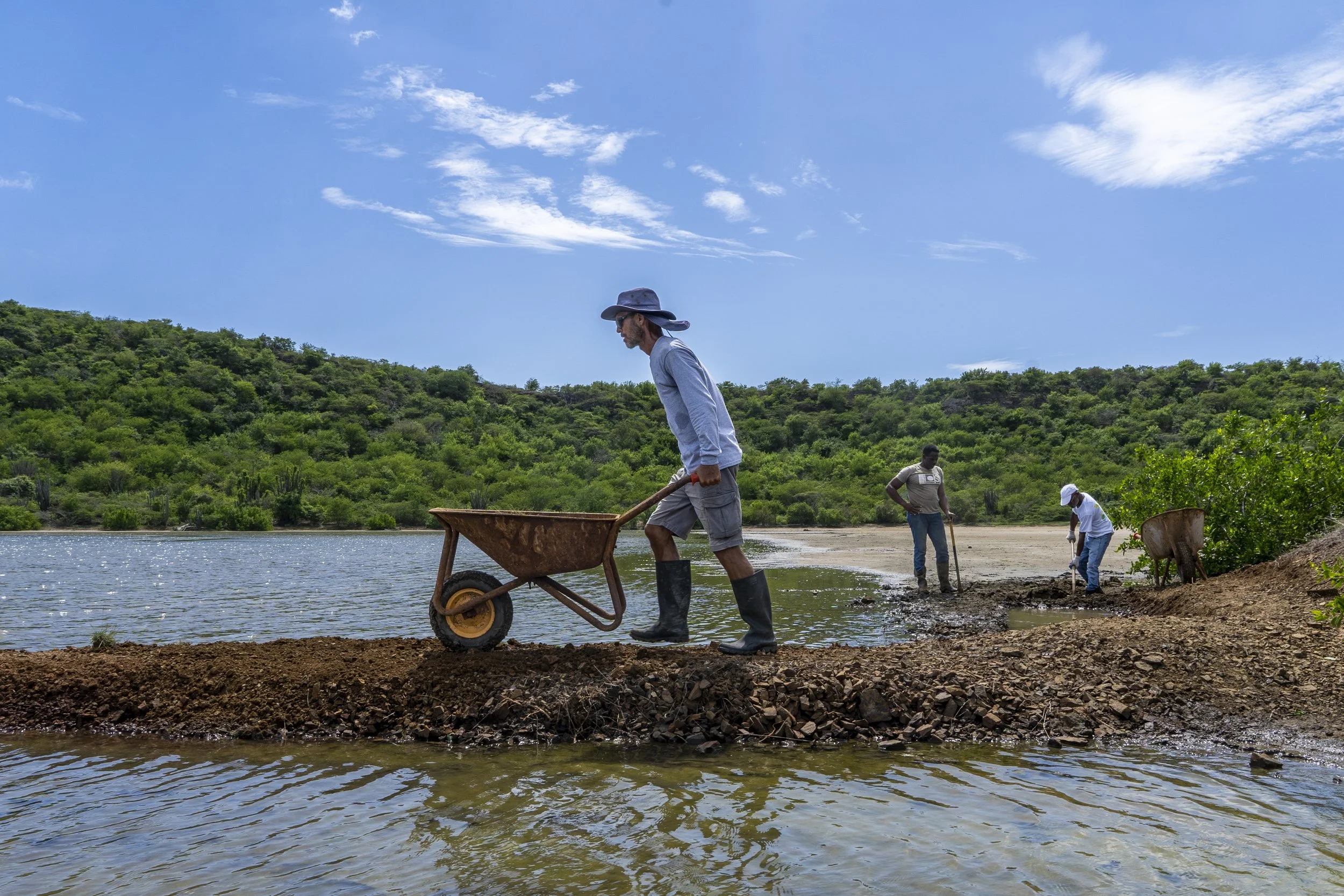
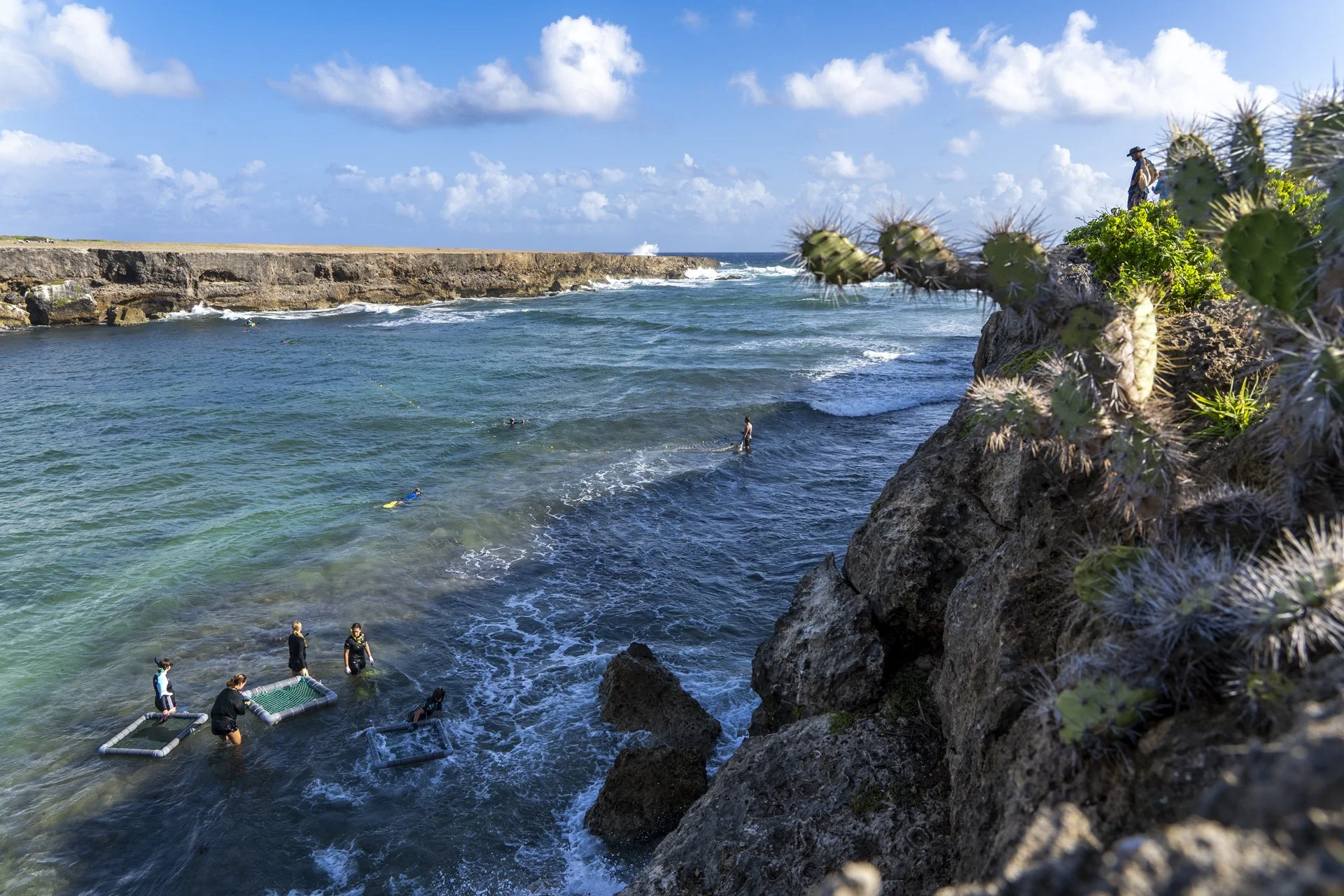
Mangrove restoration on Curaçao and Aruba is slow, physical work — the kind of work you only understand once you stand in the heat and mud yourself. I joined the local teams who take on the toughest part: digging narrow ditches for hours just to move the water a few meters. Those channels are essential; without water flow, the mangroves simply can’t survive.

I still remember getting blisters within minutes, while they kept going with a kind of steady determination that comes from knowing exactly what’s at stake.

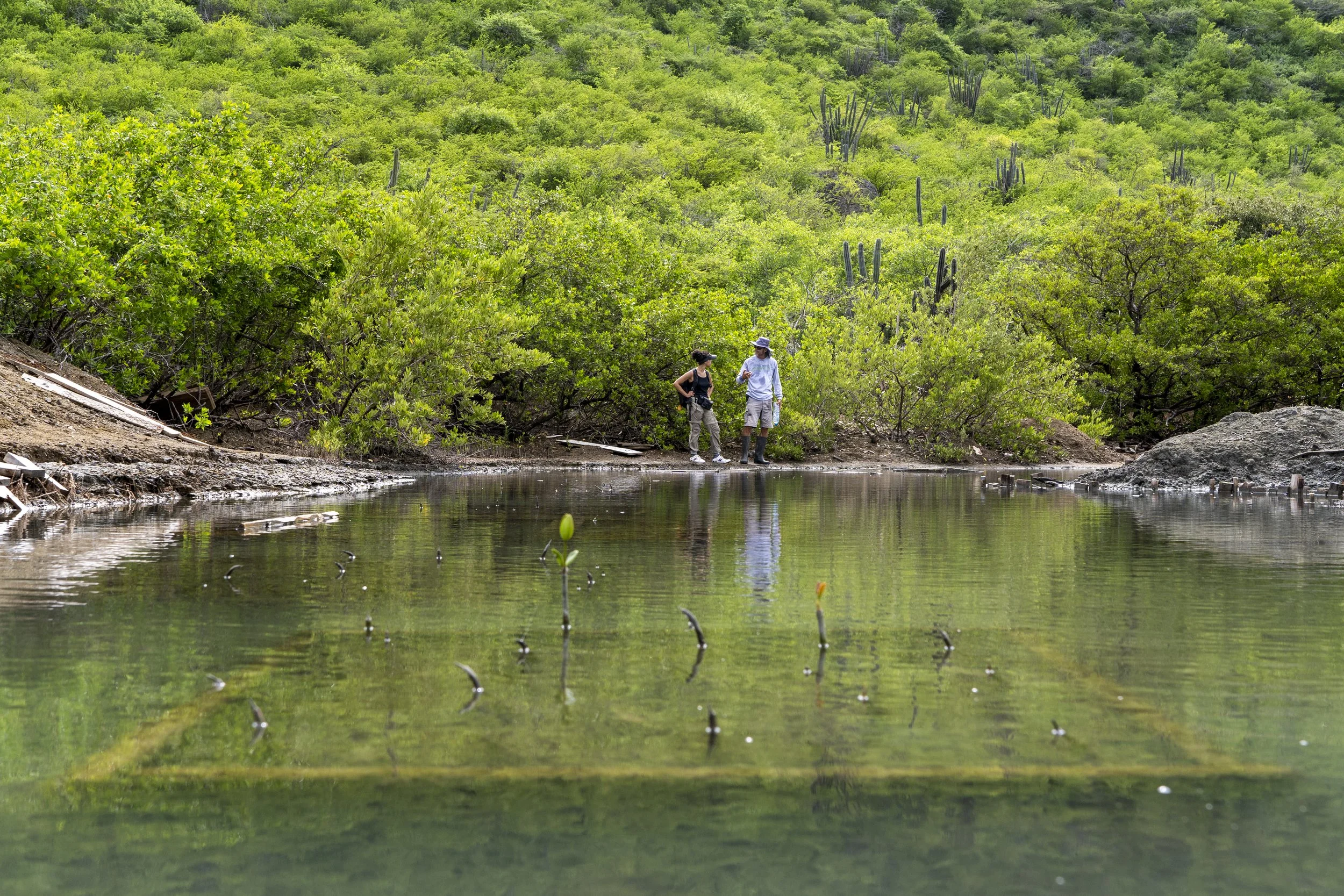
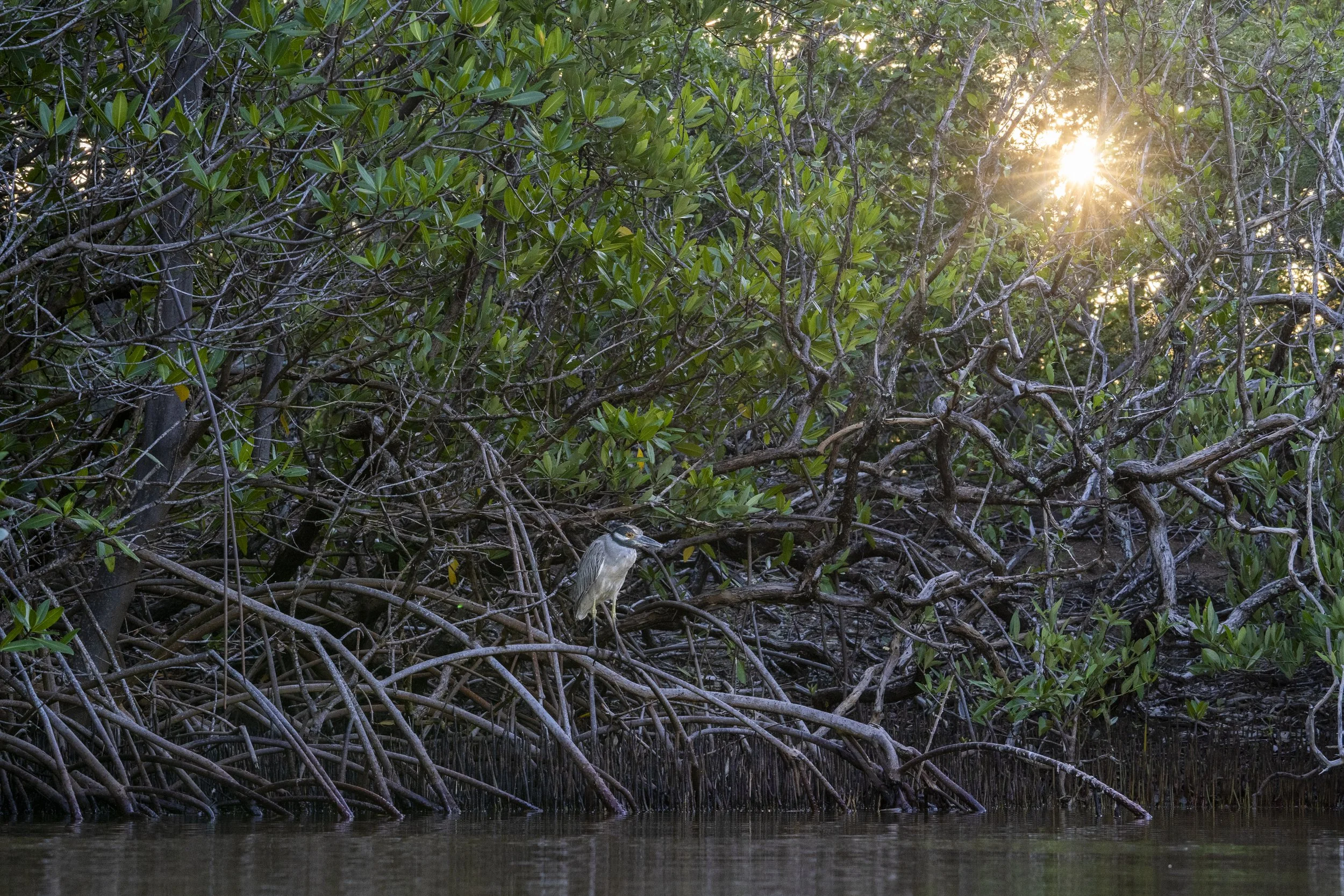
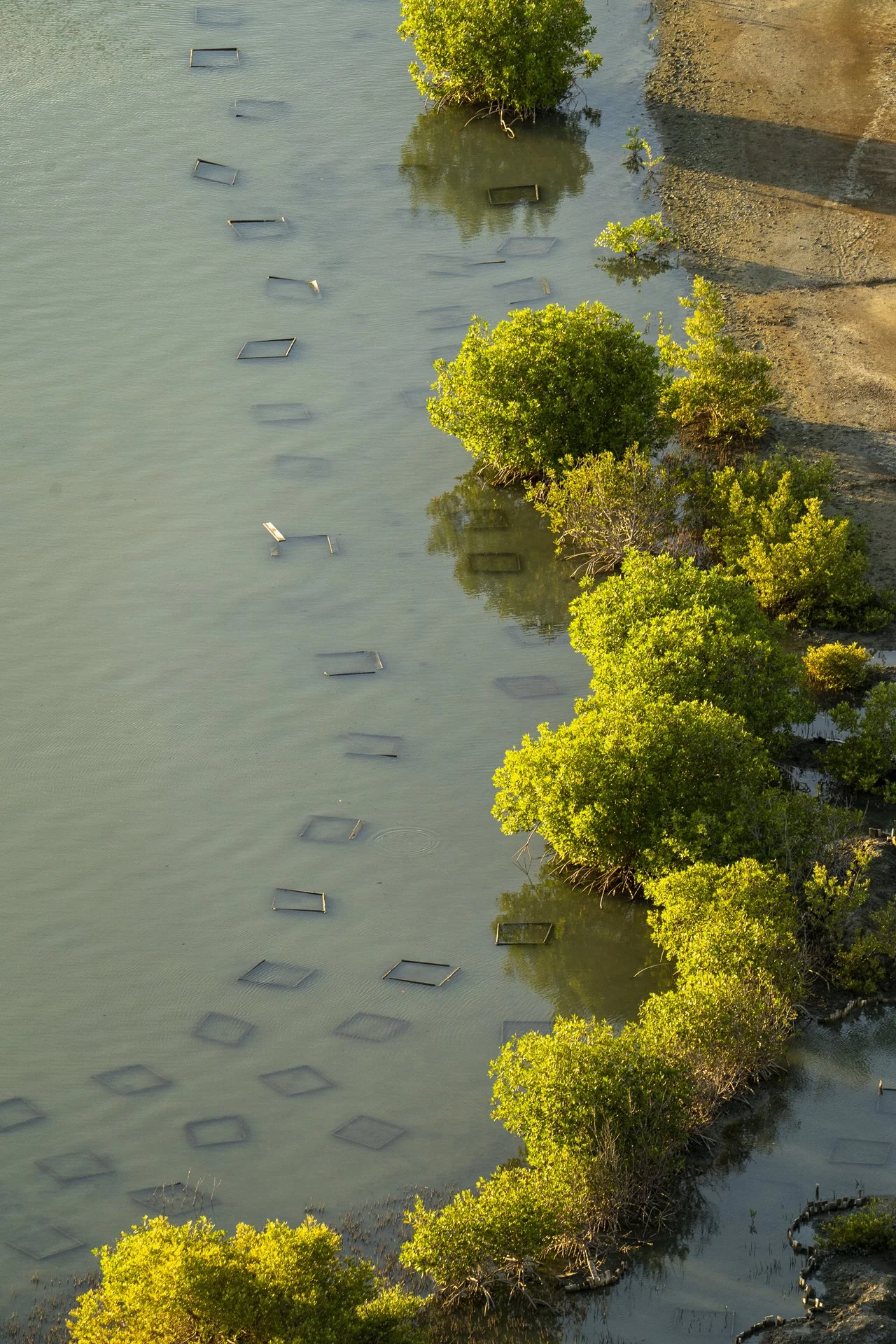
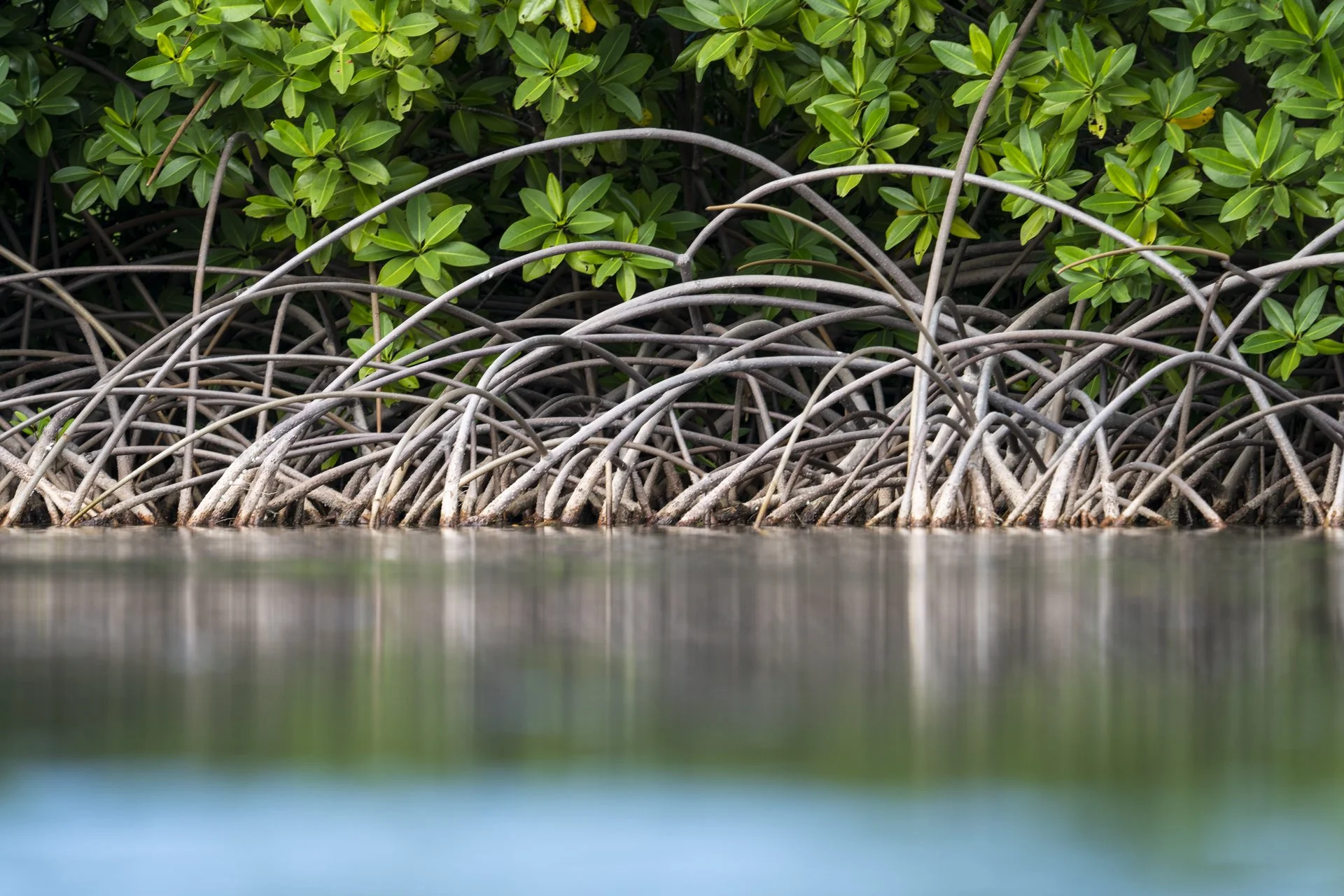
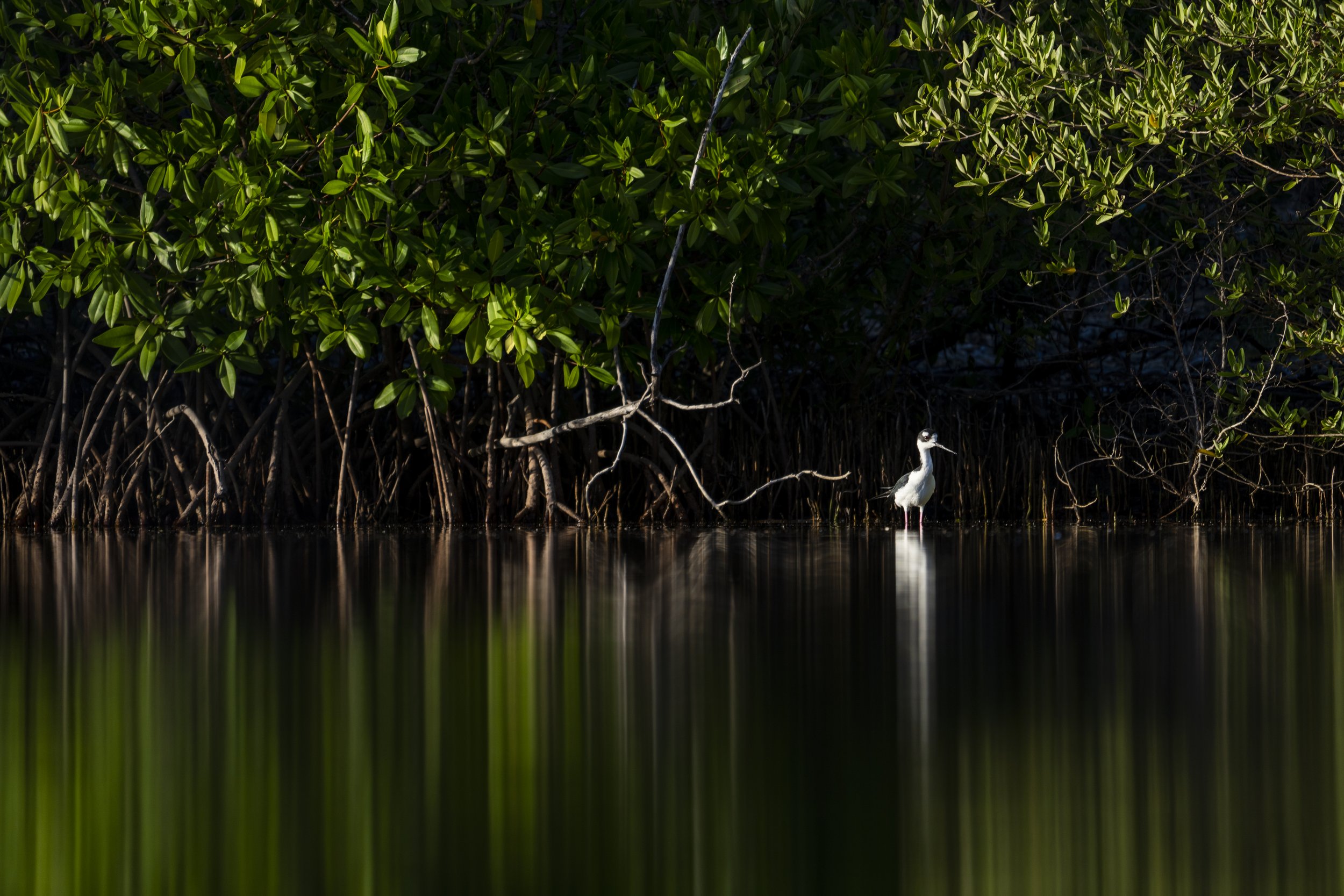
After opening water flow, the team collects seeds from healthy mangroves and plants them in simple wooden frames packed with mud for stability. These tiny structures protect the seedlings long enough for new roots to take hold. In several places, the result is now visible: entire stretches of coastline where mangrove forests have returned — green, dense and alive again.

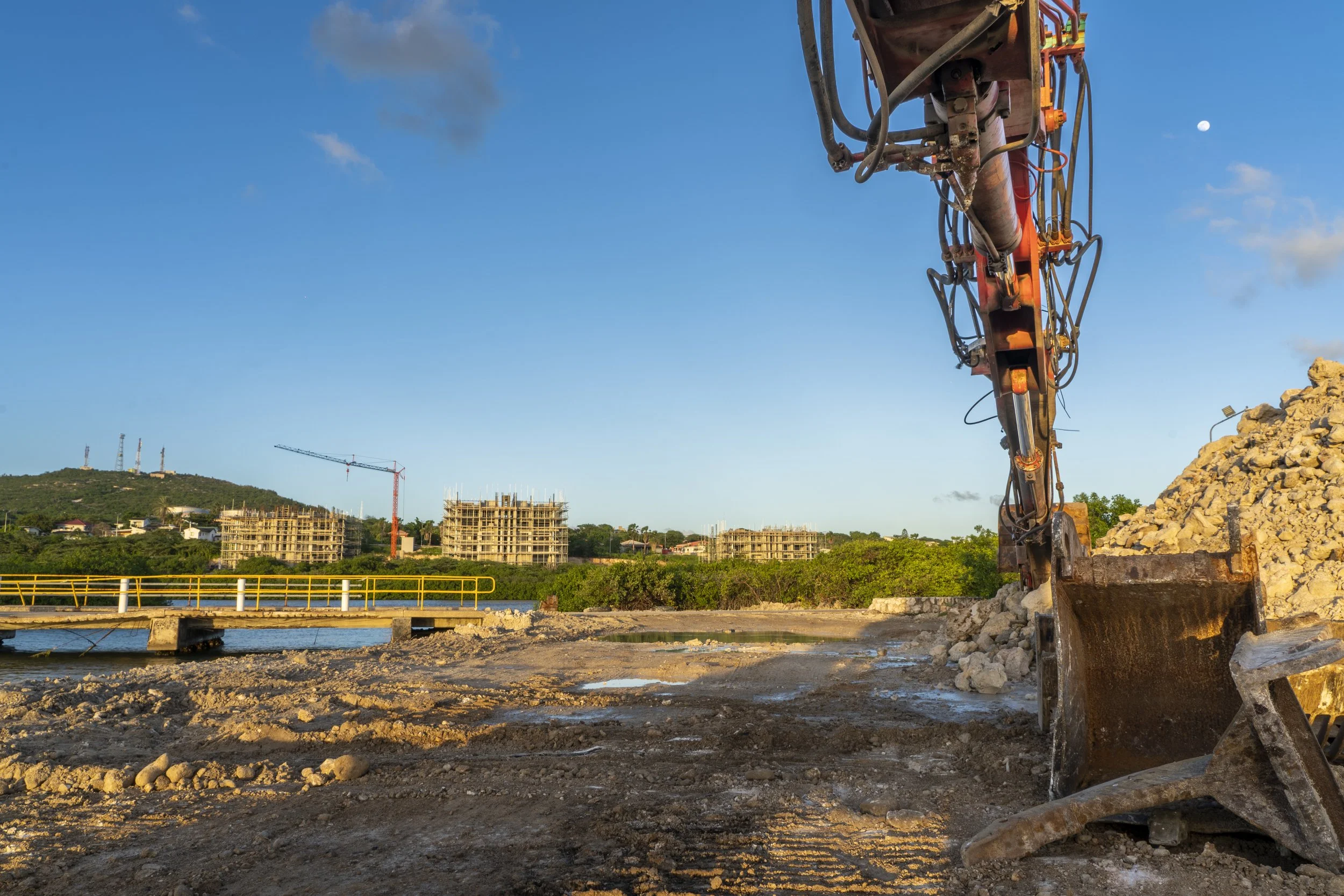
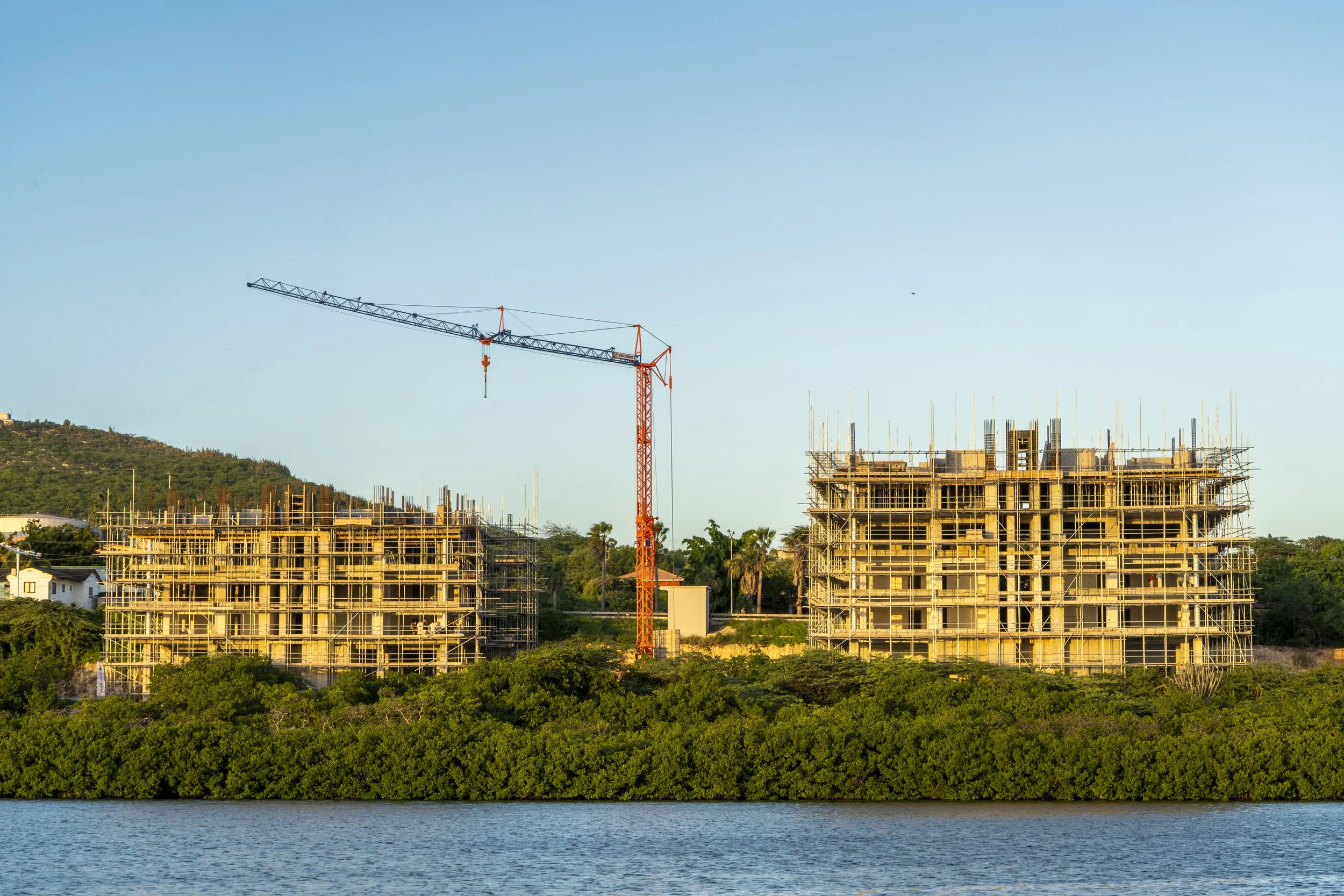
This work happens because these ecosystems are under constant pressure from development and tourism. Clearing mangroves disrupts water flow, destroys nurseries for marine life and removes natural protection against storms and erosion.

Through this project, I wanted to show the people behind the recovery. The hands in the mud, the patience, the effort, and the powerful difference a restored mangrove forest can make.

Guardians of the Sea
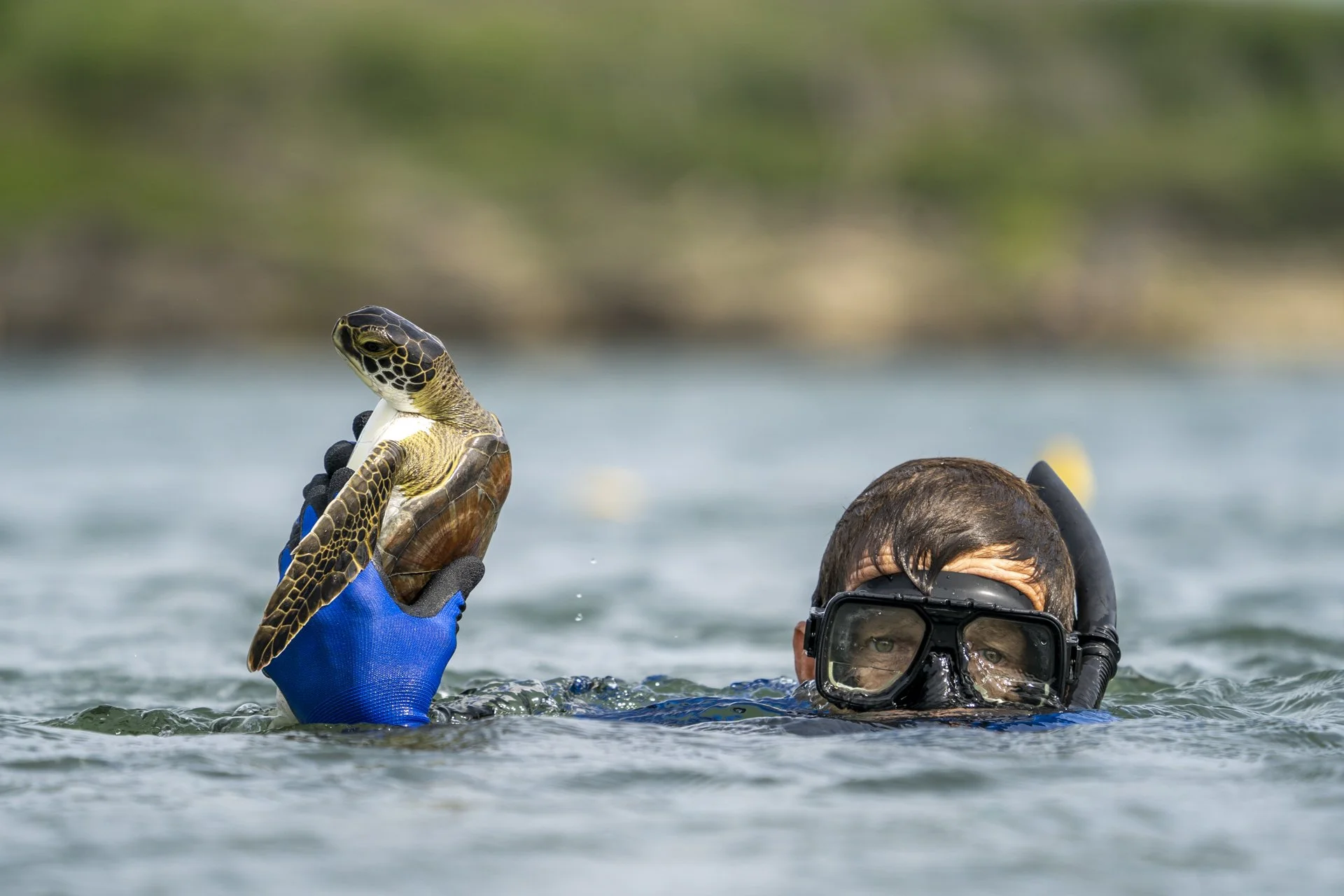
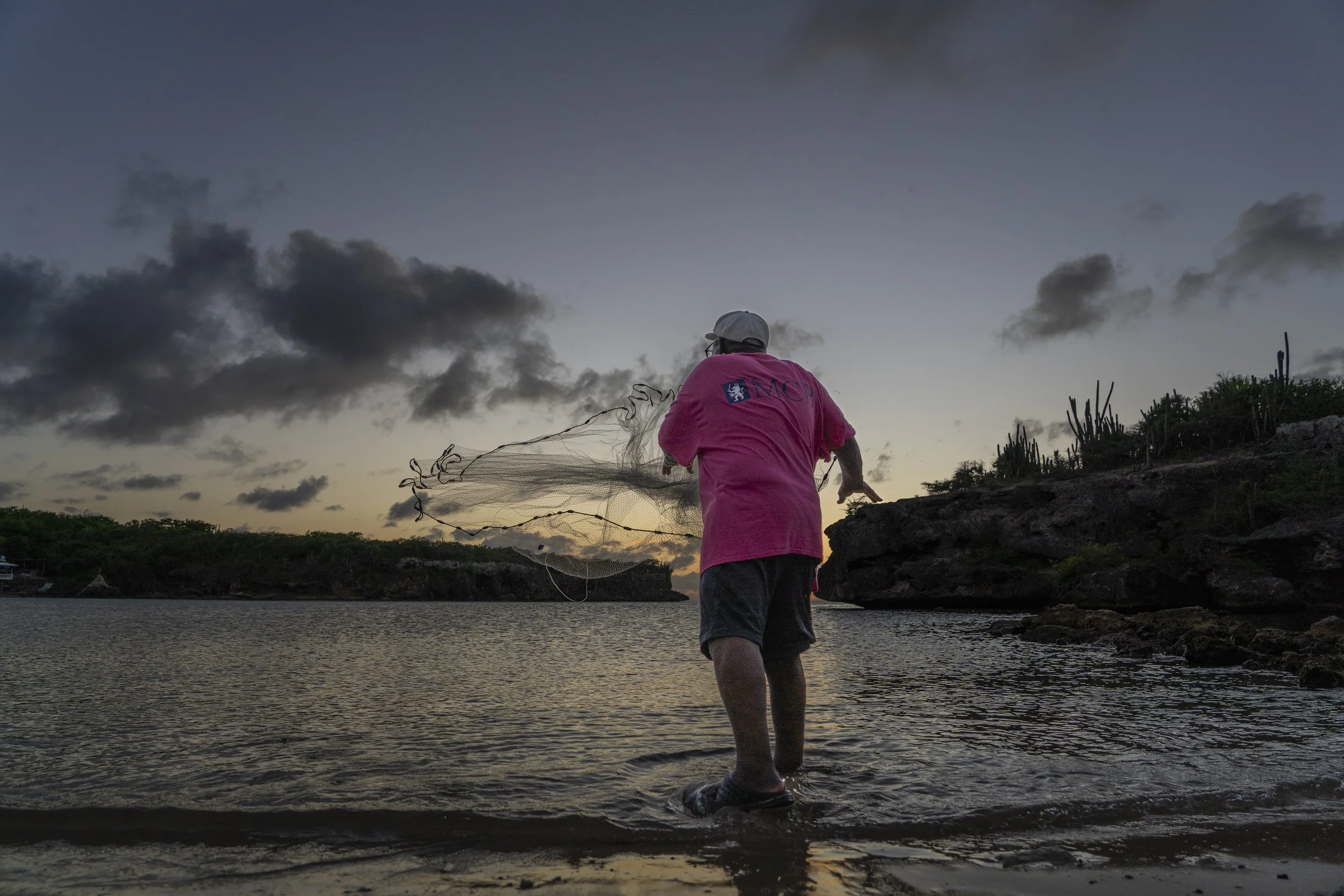
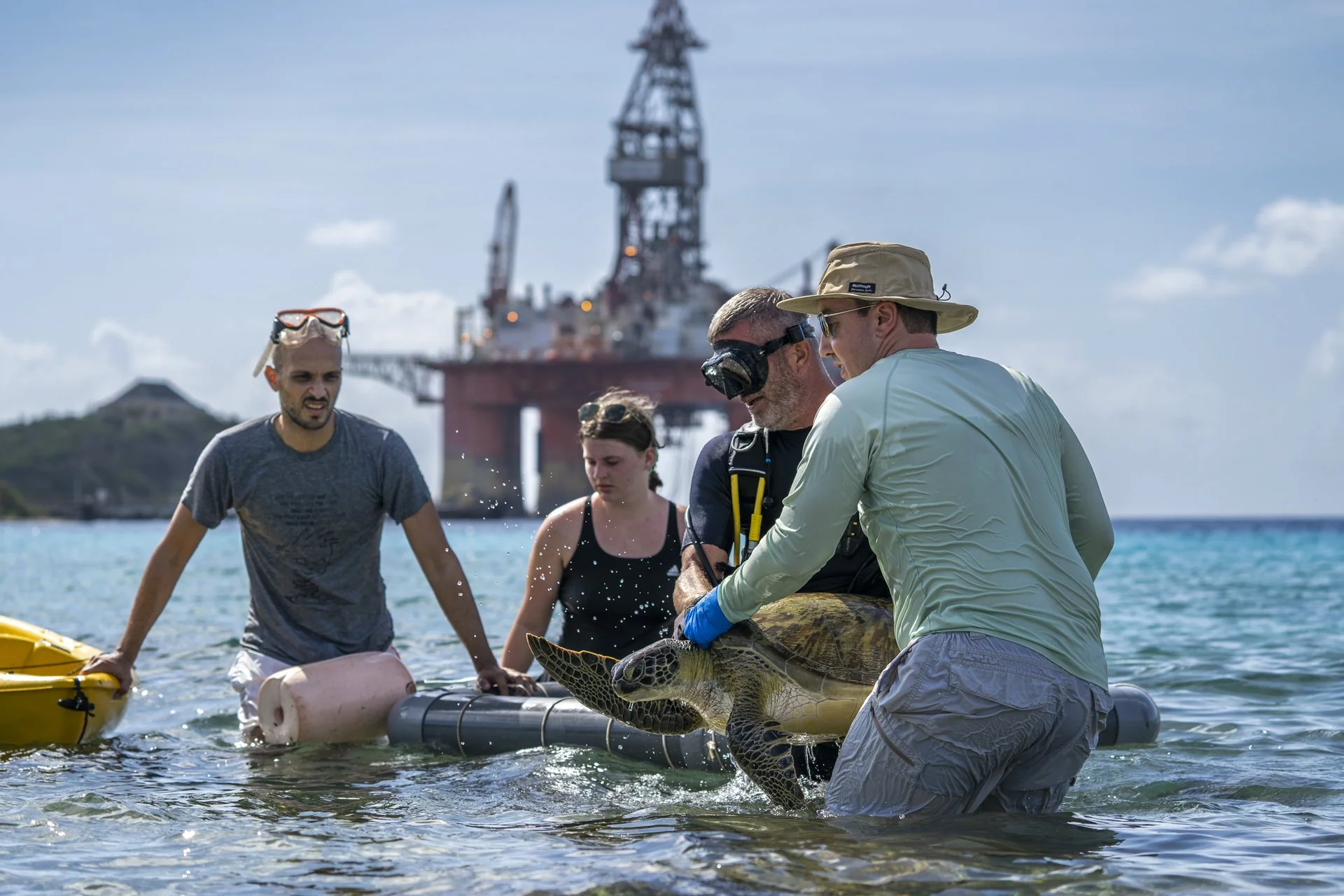
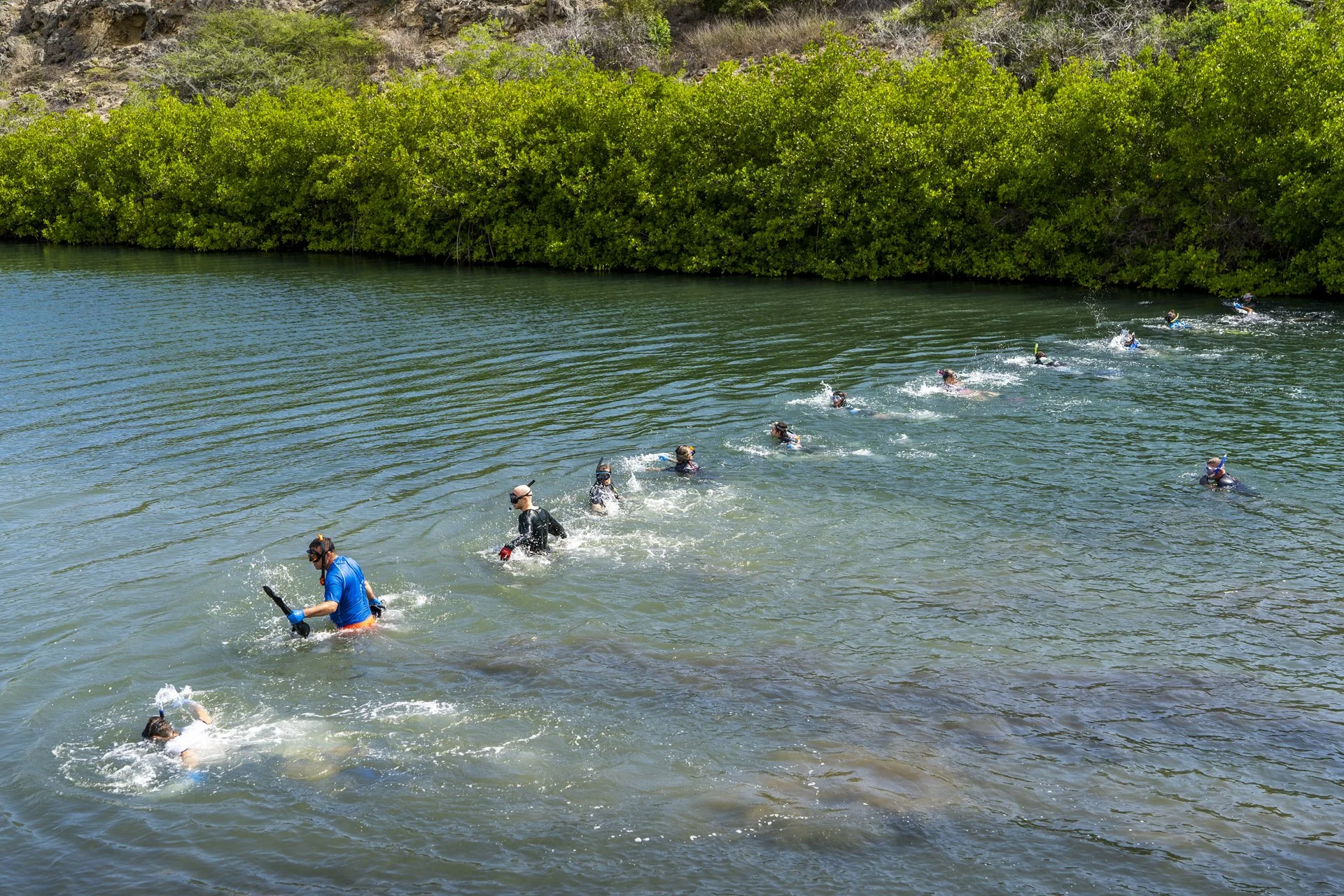
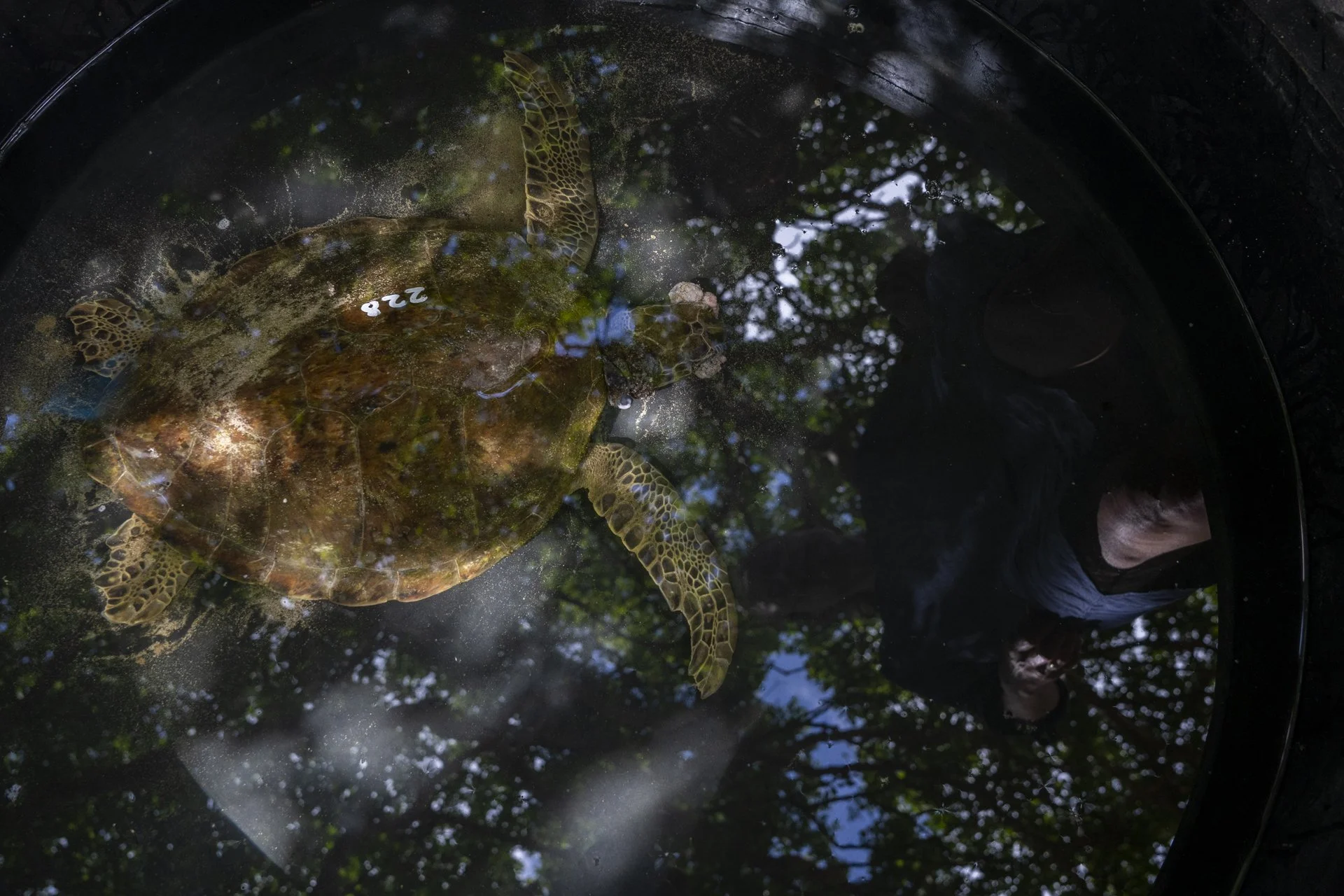
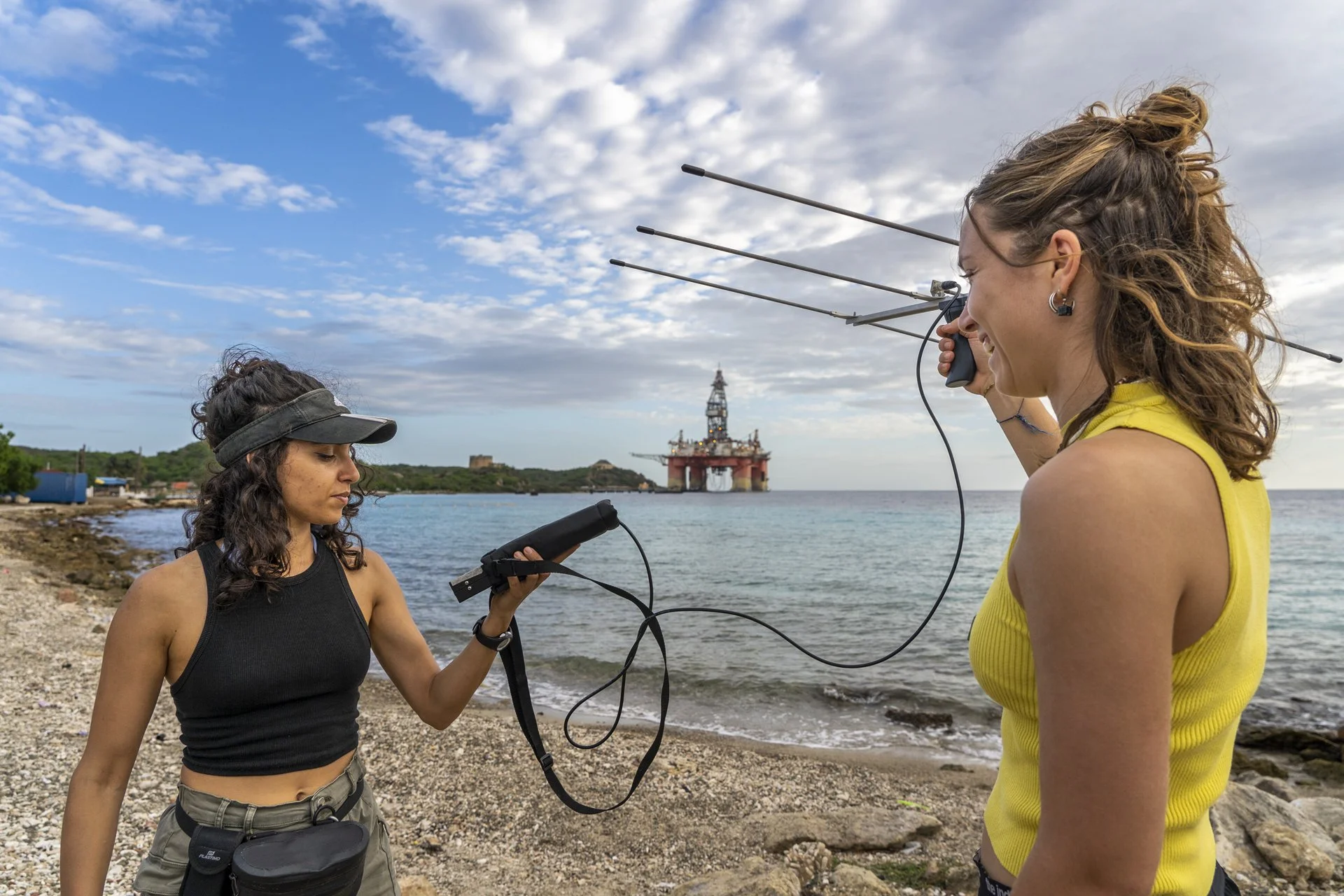
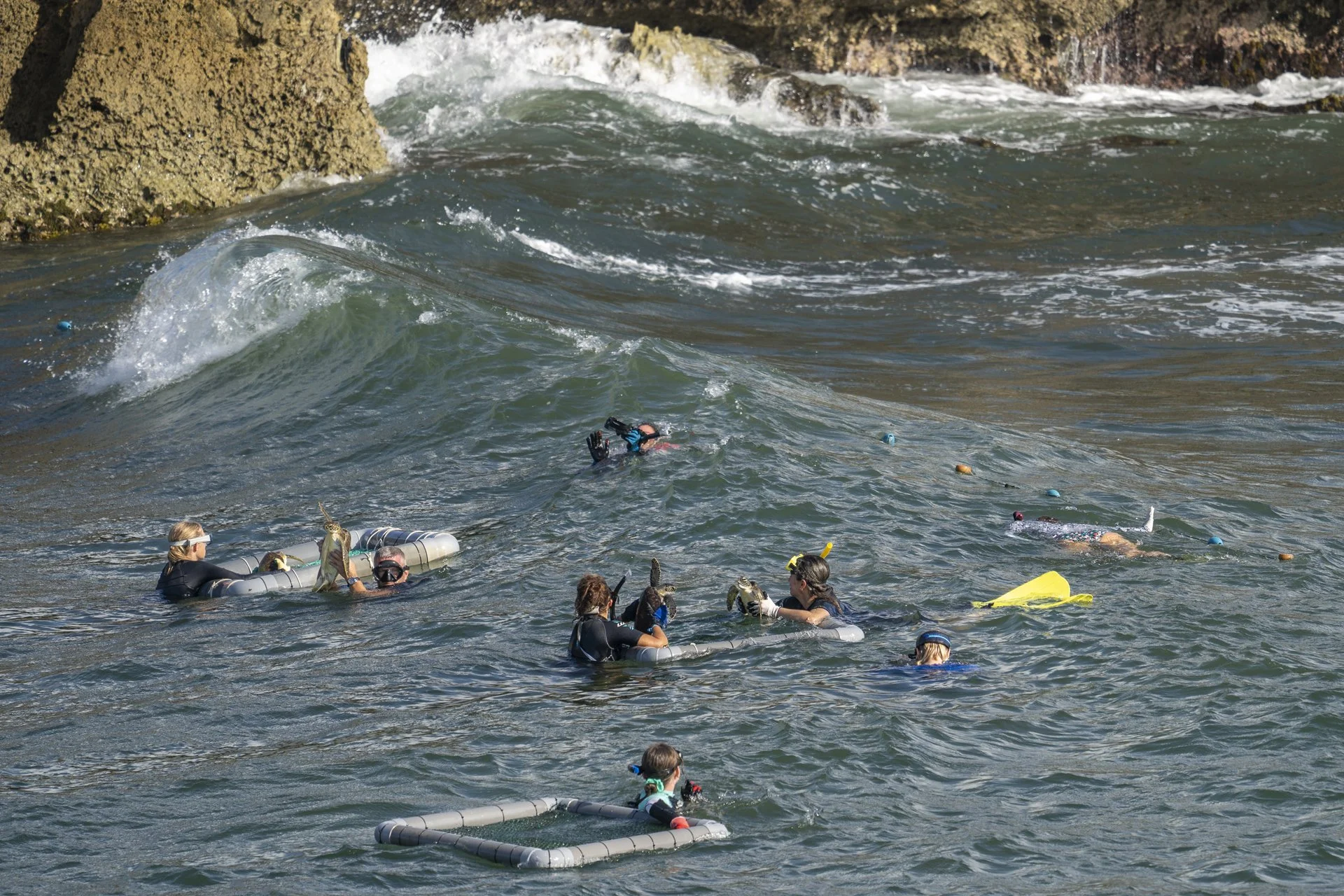
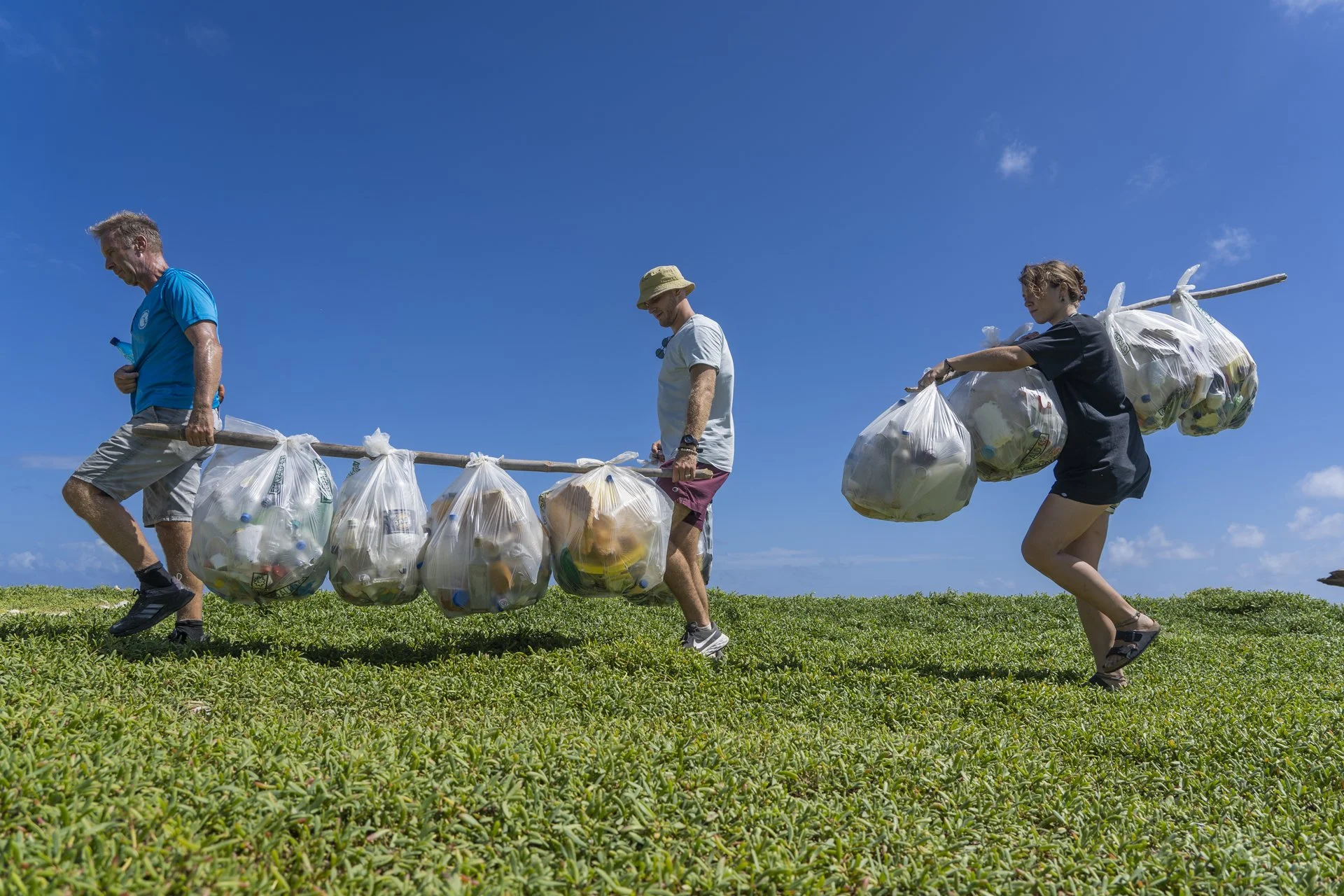
On the southern shores of Curaçao, where tourists drift over coral reefs and seagrass meadows, a quieter effort unfolds beneath the surface. I worked with Sea Turtle Conservation Curaçao (STCC), a small team with a big mission: protecting the island’s sea turtles and the fragile ecosystem they depend on.

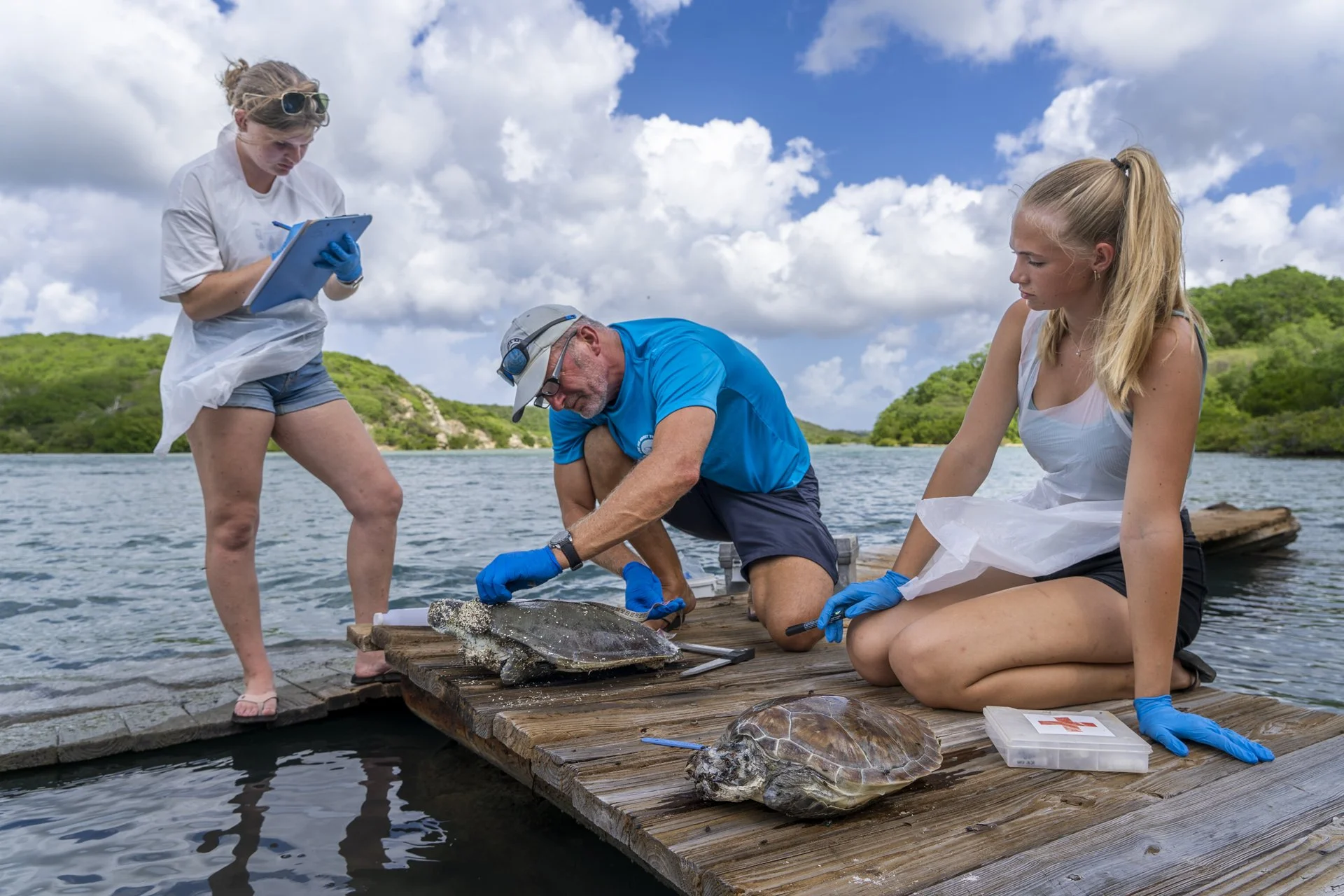
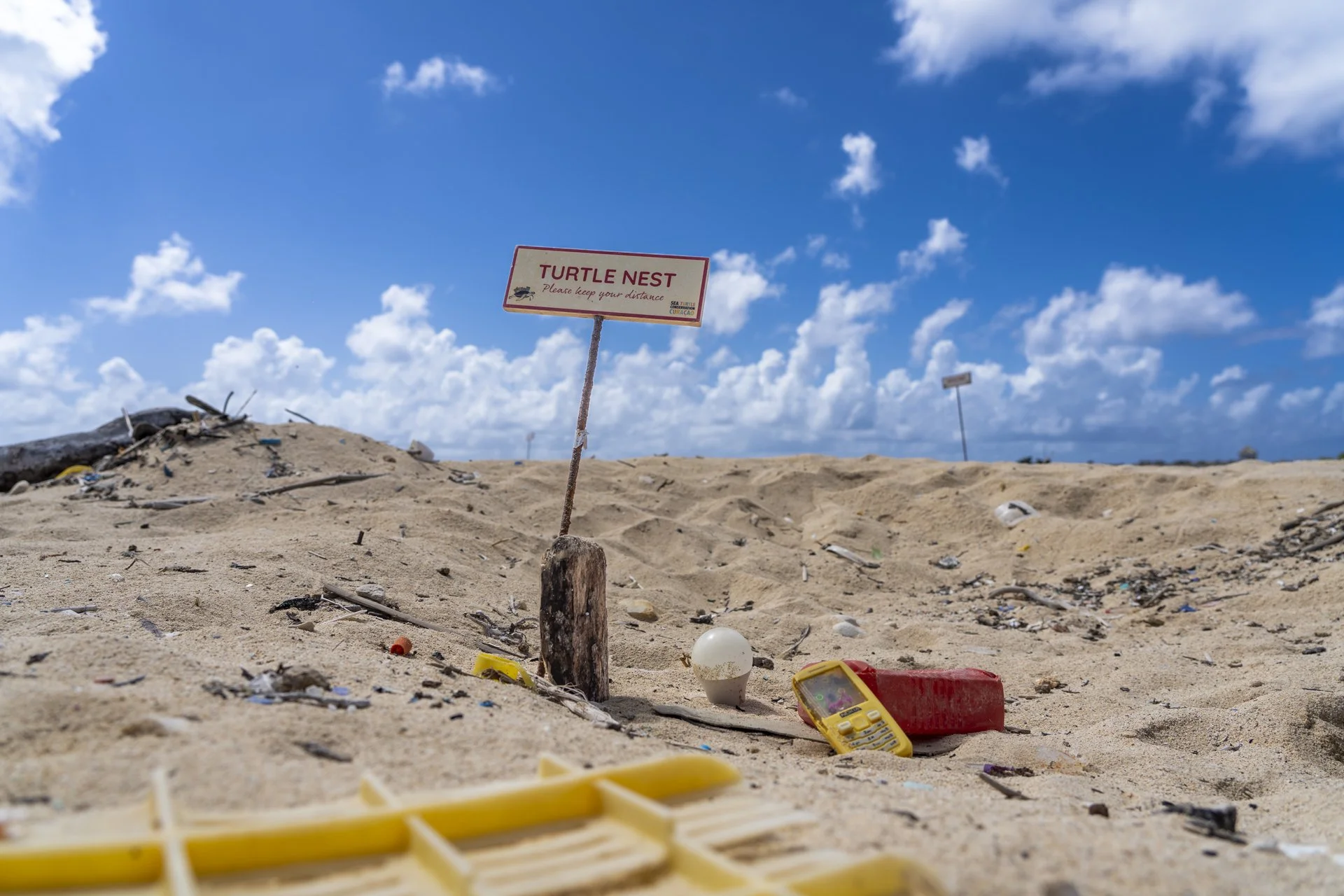
From June to December, STCC patrols the beaches day and night, searching for fresh tracks in the sand: signs of nesting turtles returning to their birthplace. Once a nest is found, it’s measured, monitored, and sometimes relocated when erosion or flooding threatens its survival .

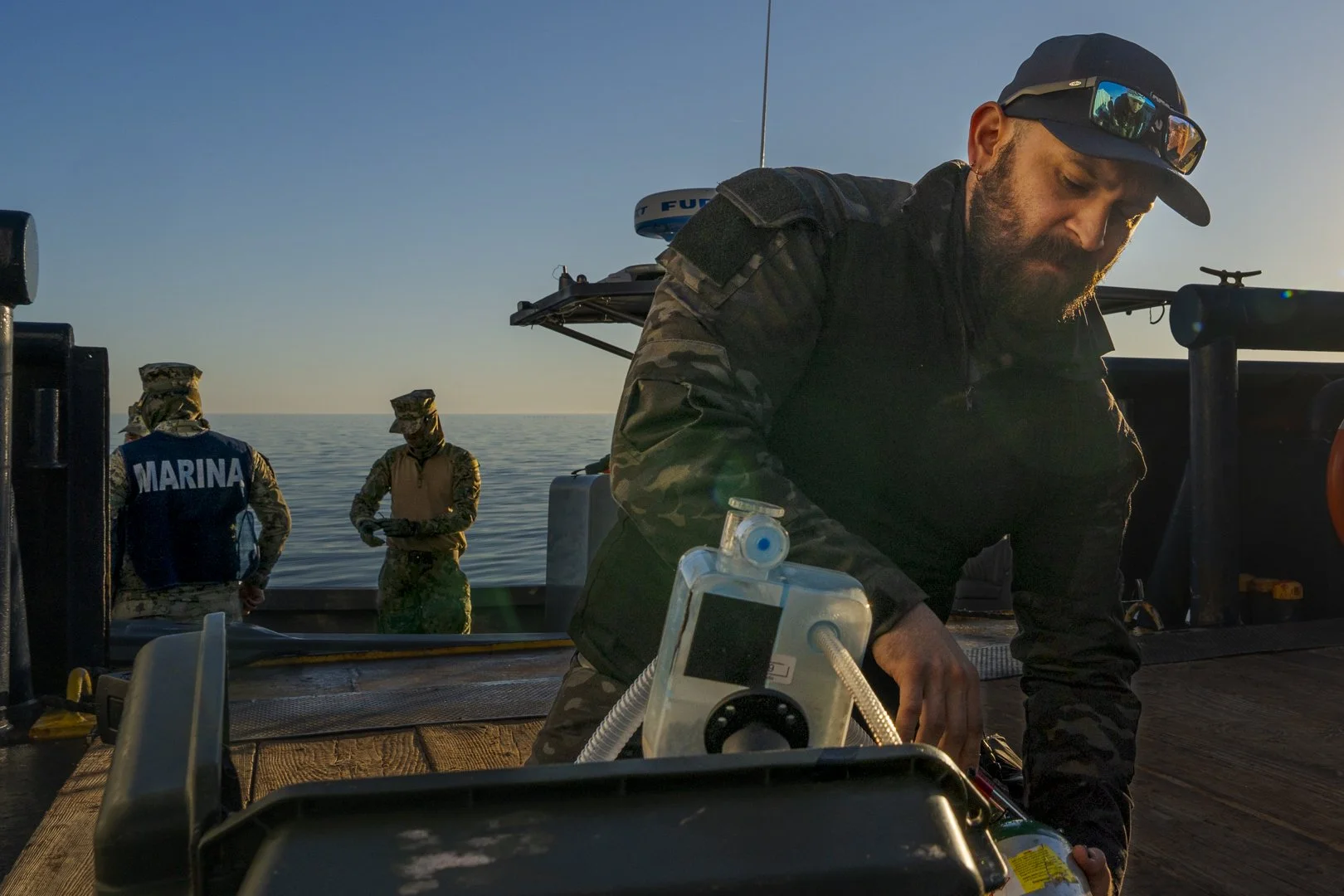
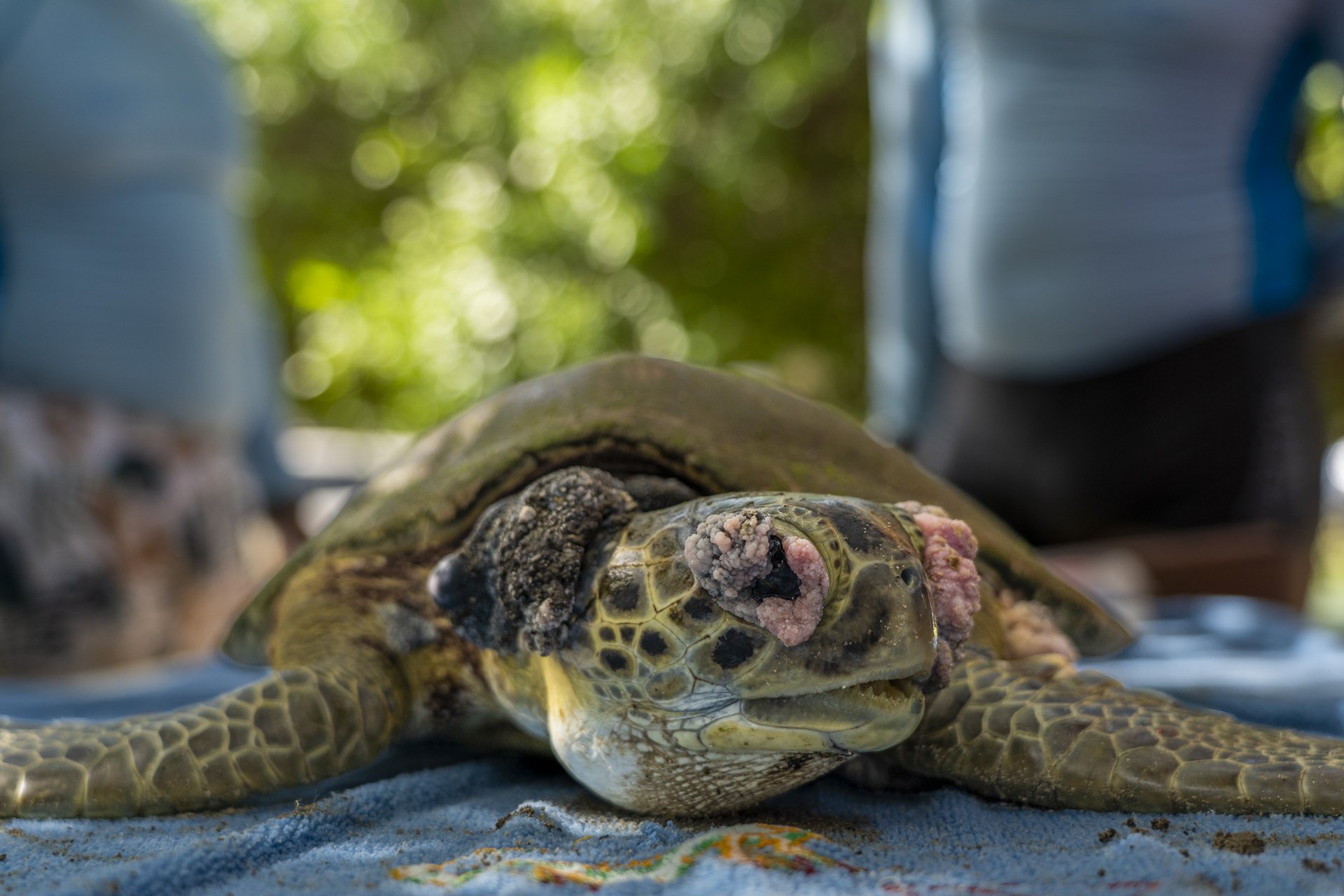
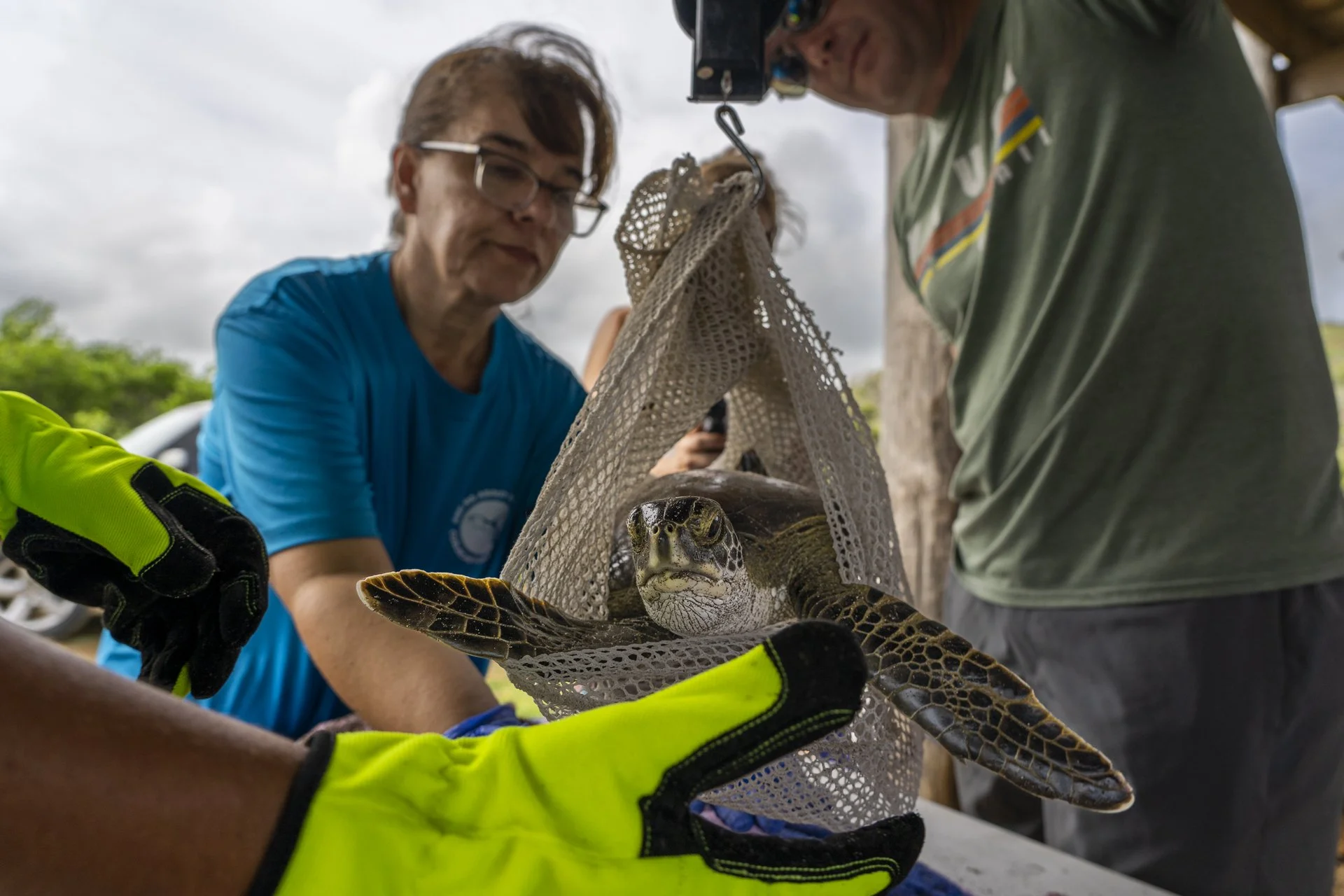
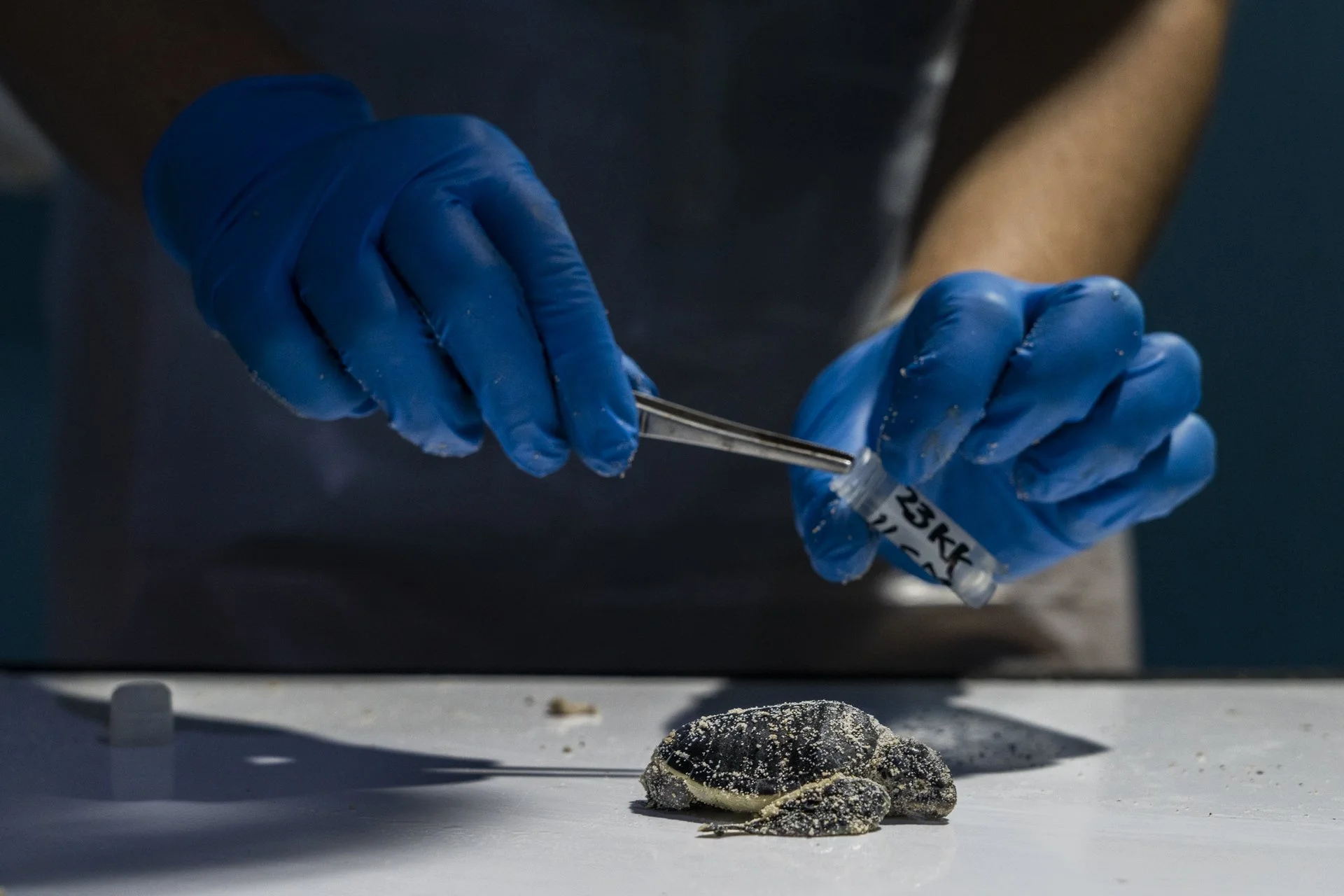
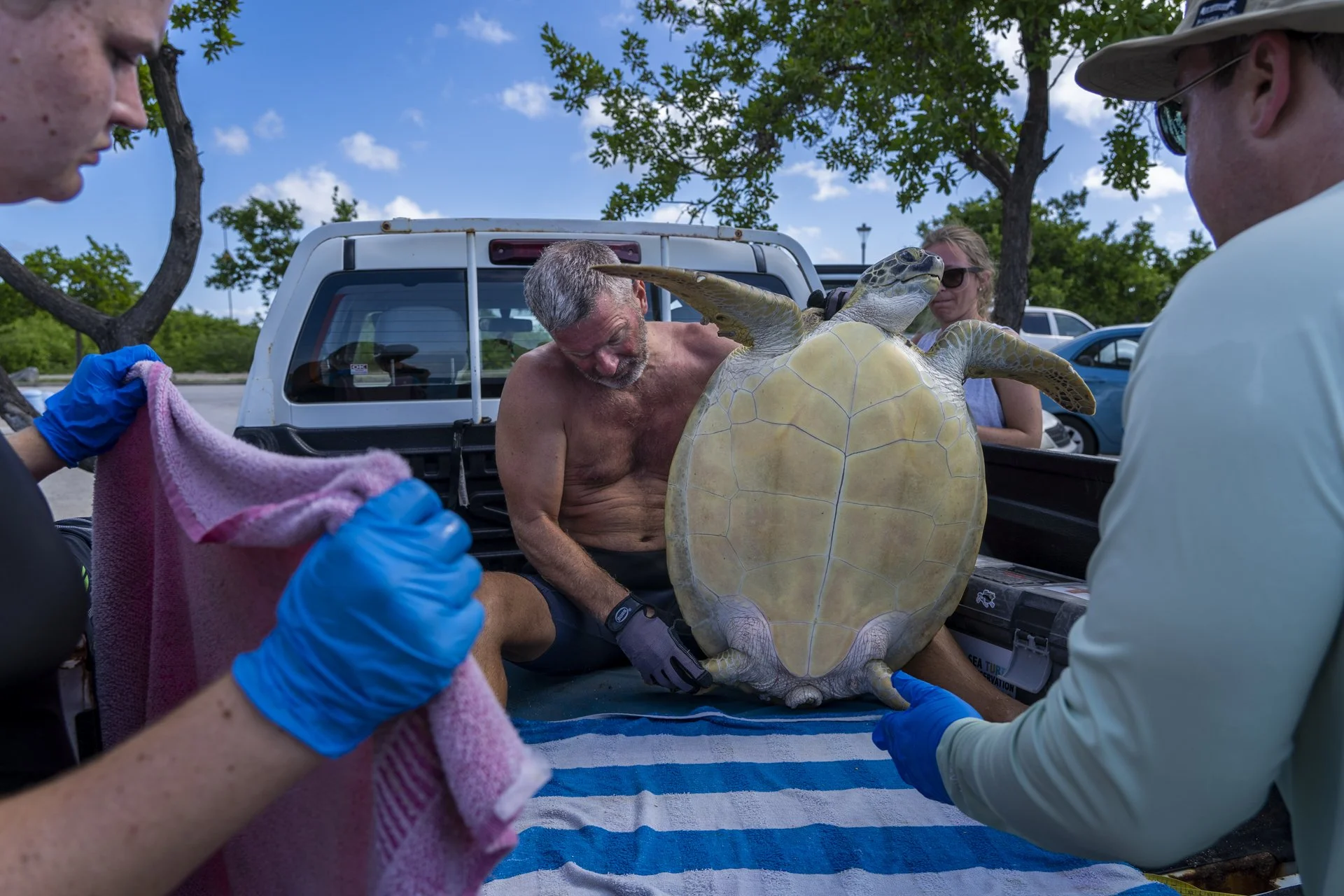
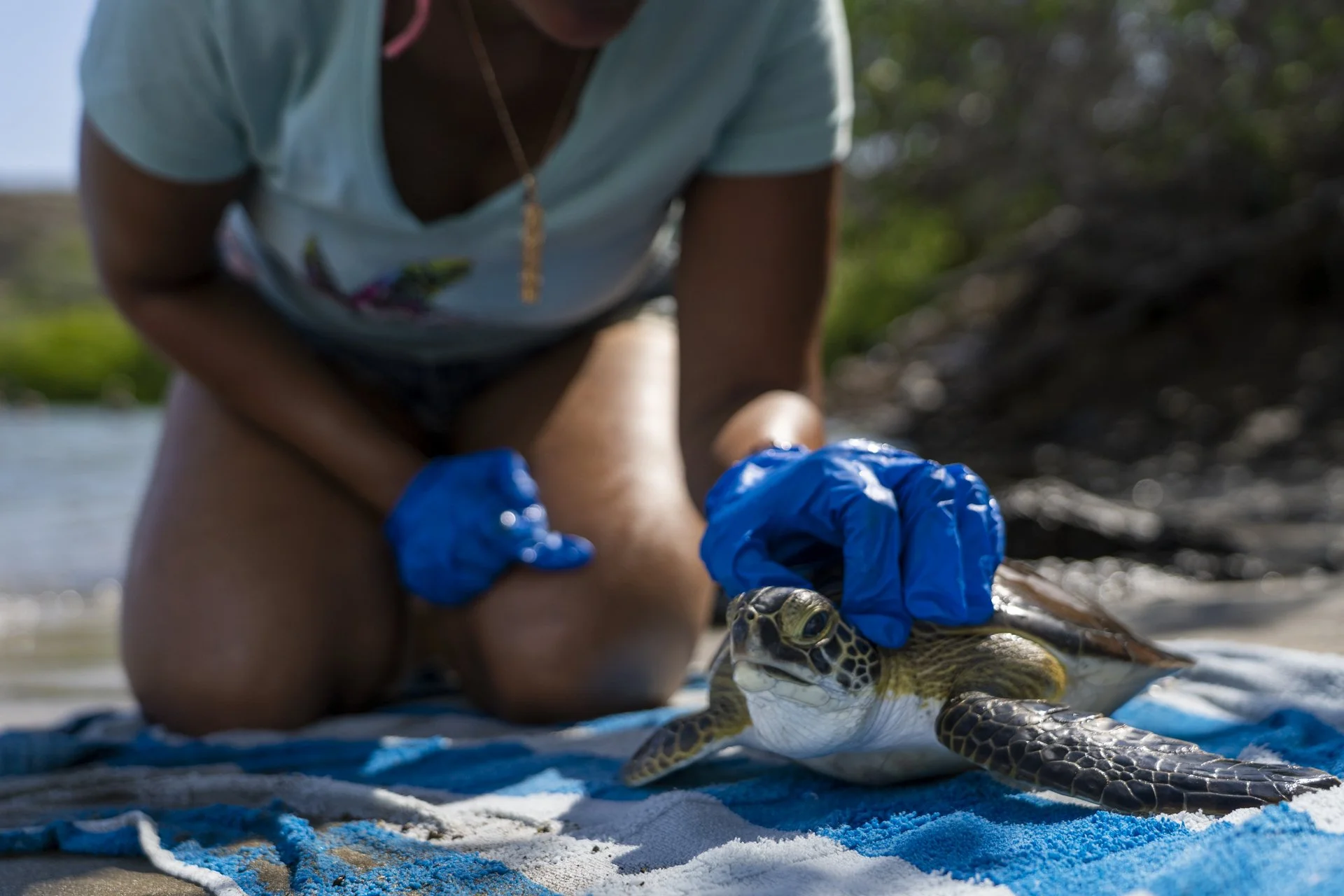
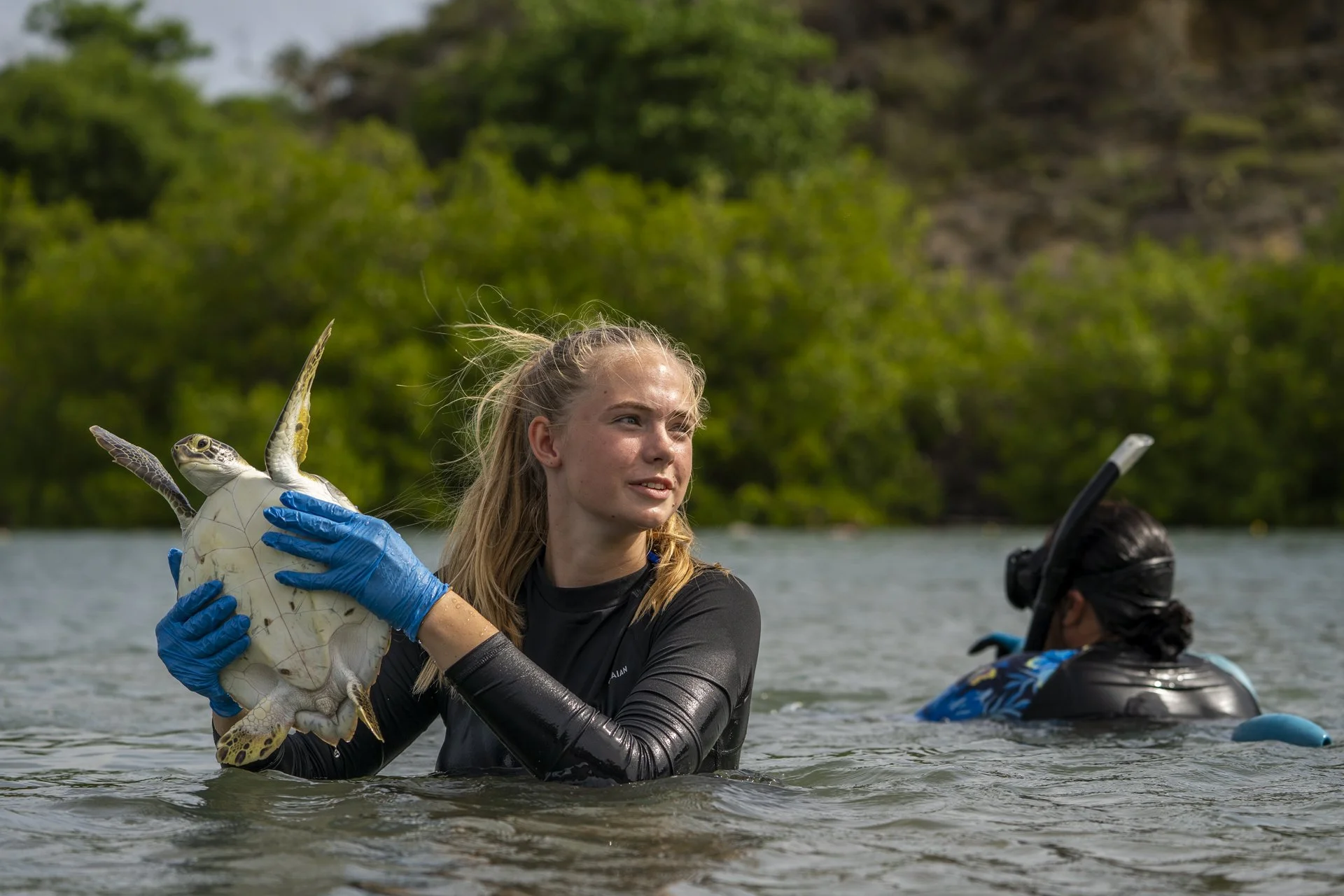
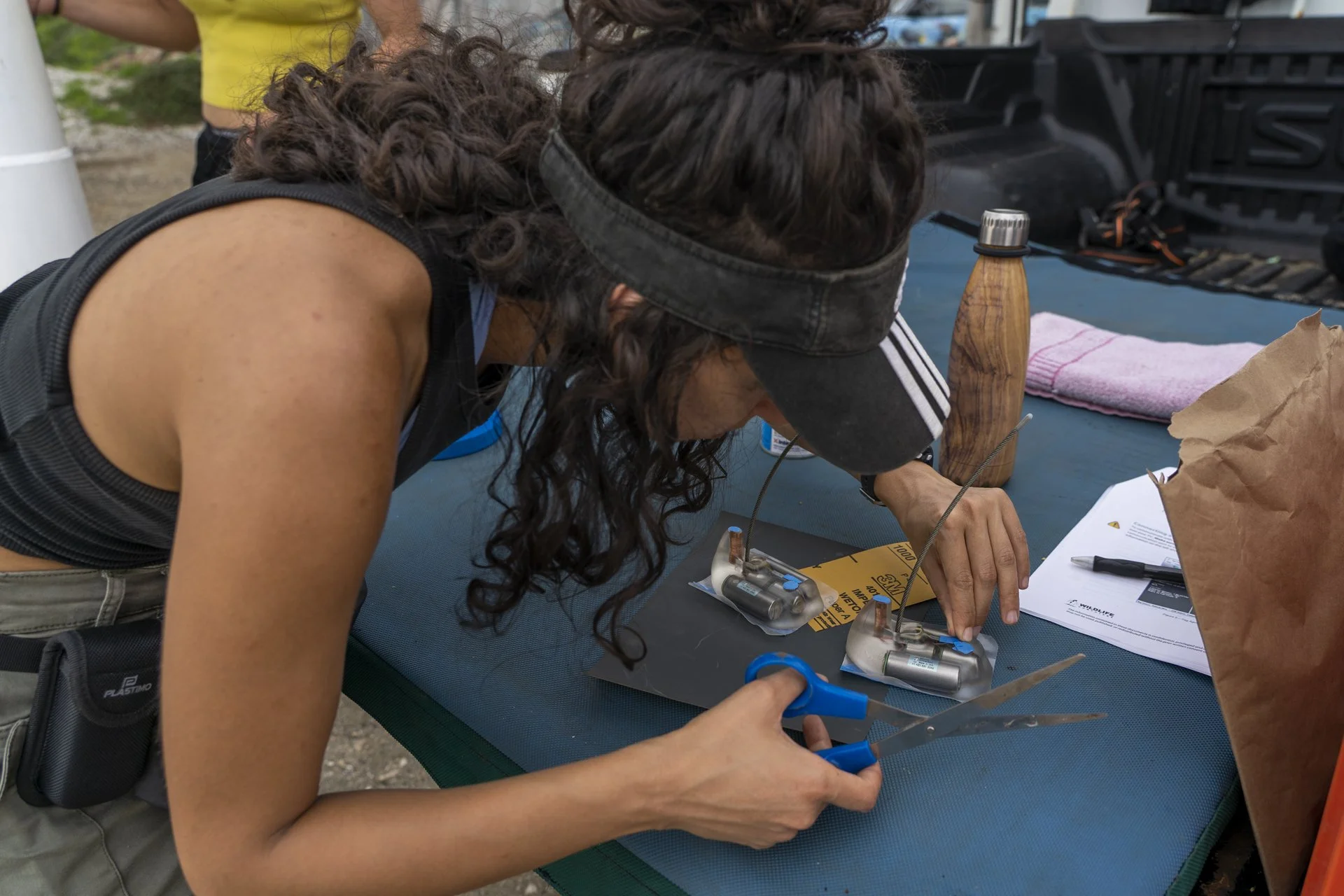
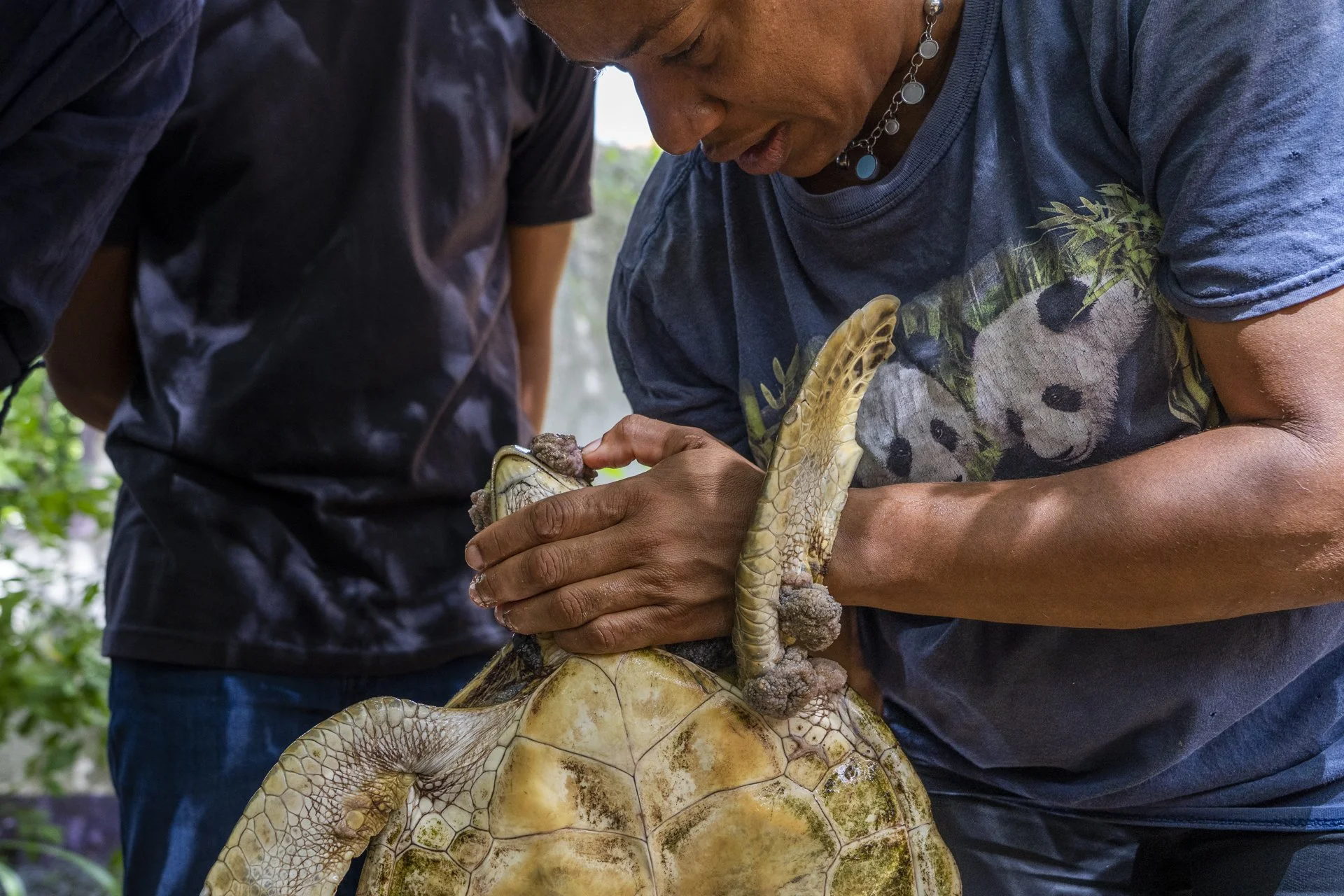
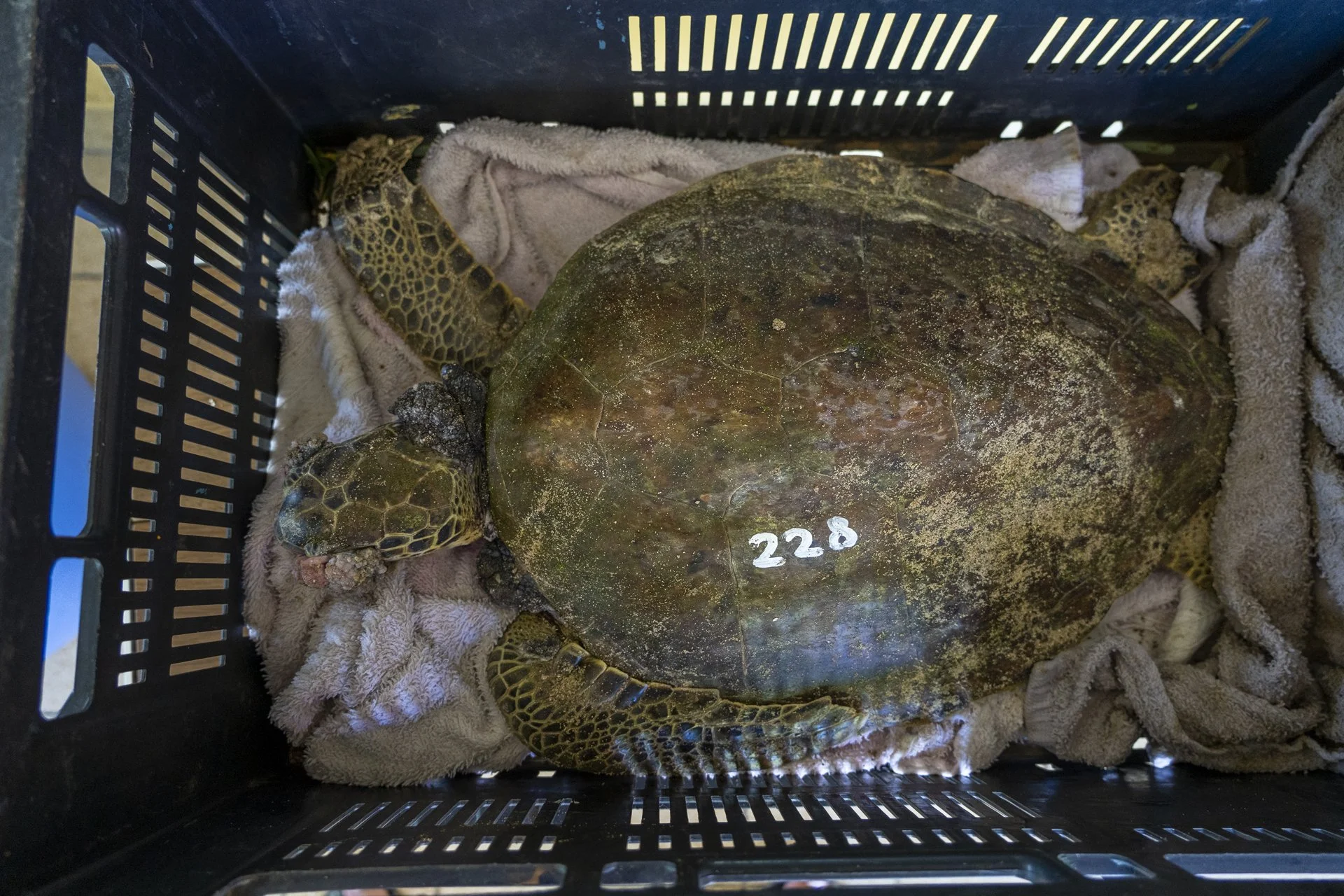
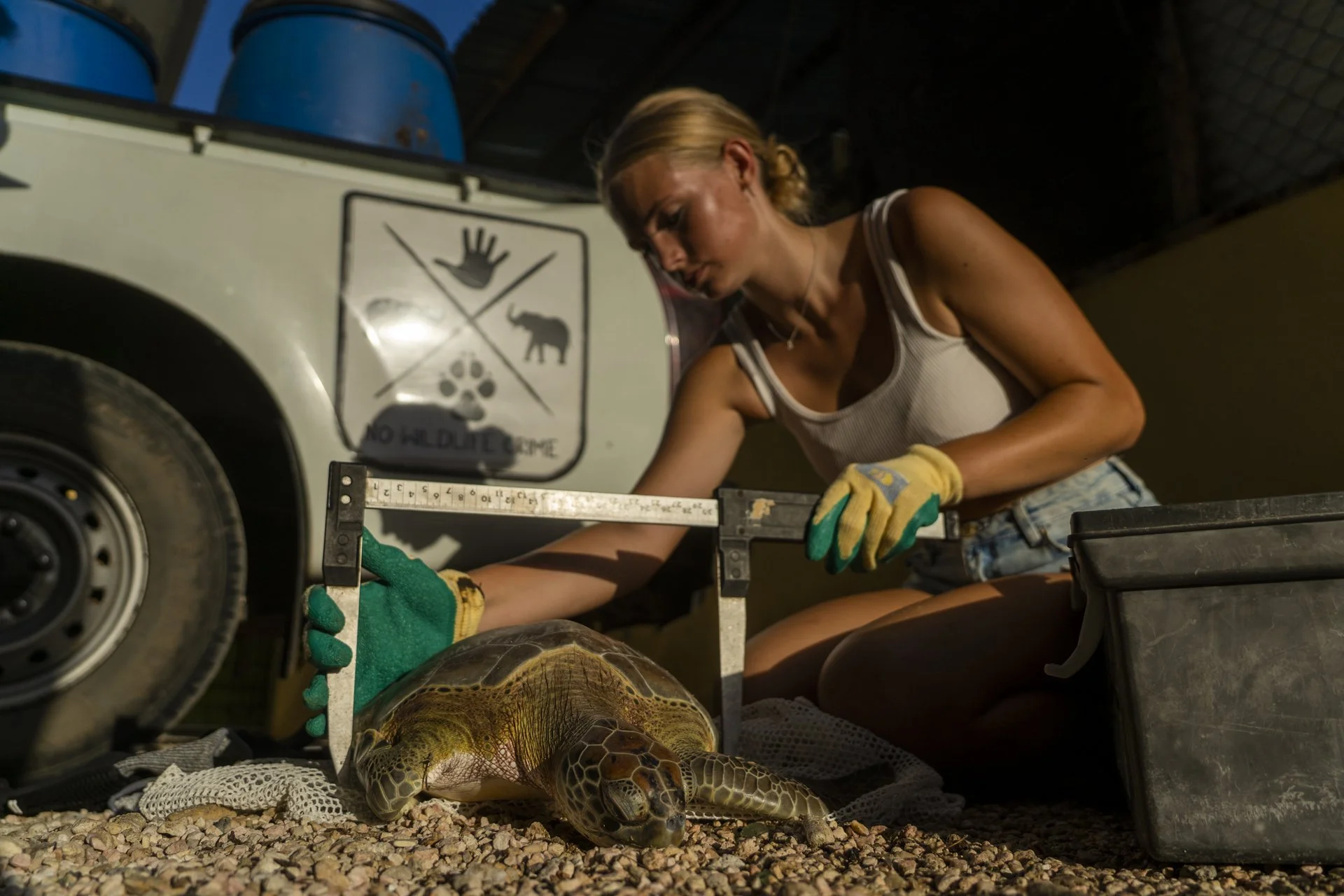
Their work reaches far beyond nests. STCC collects detailed scientific data, performs health checks, and documents cases of fibropapillomatosis, a tumour-forming disease that affects up to 80% of the island’s green turtles. The team often captures turtles briefly for measurements, photos and tagging, contributing to international research networks tracking long-term trends .

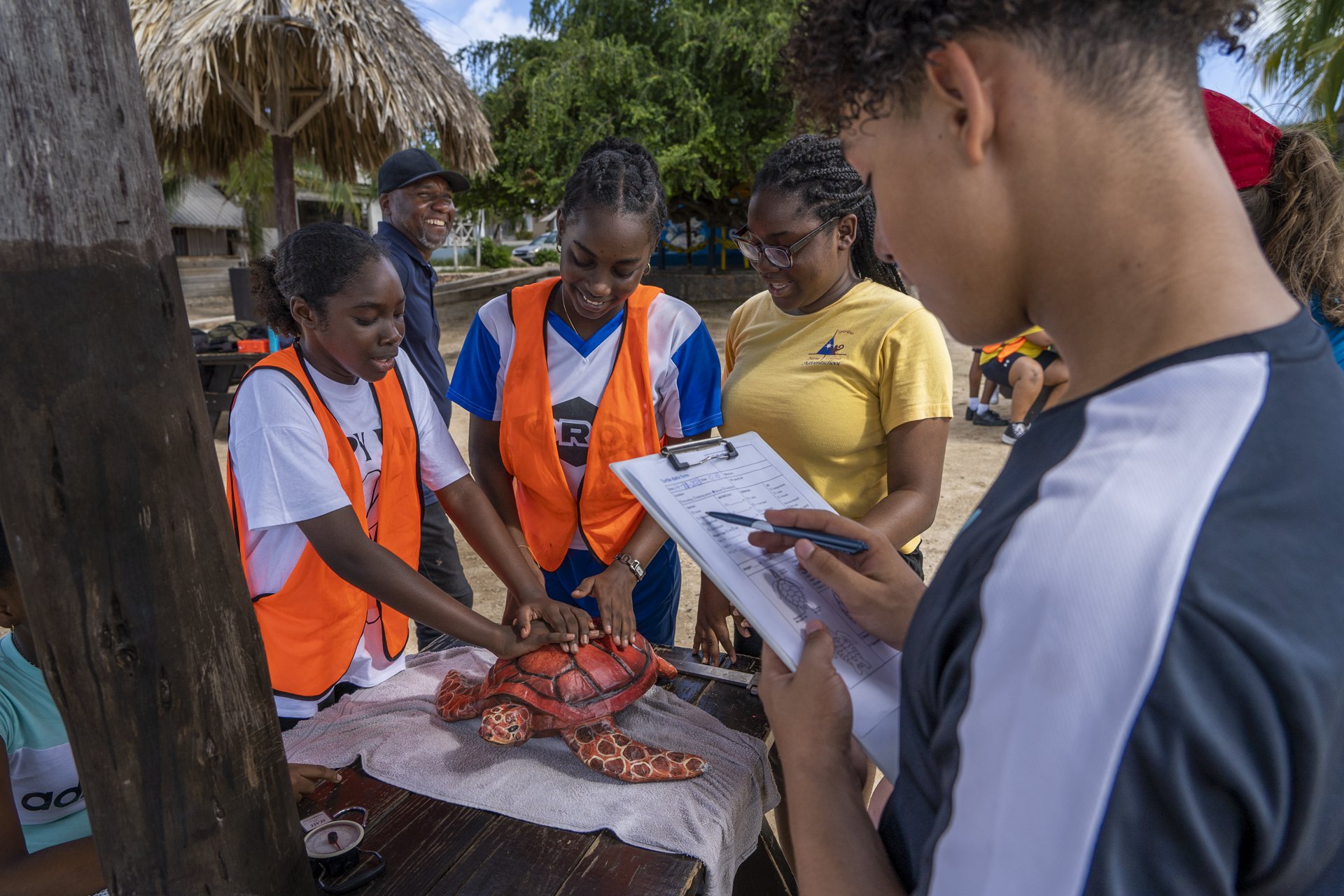
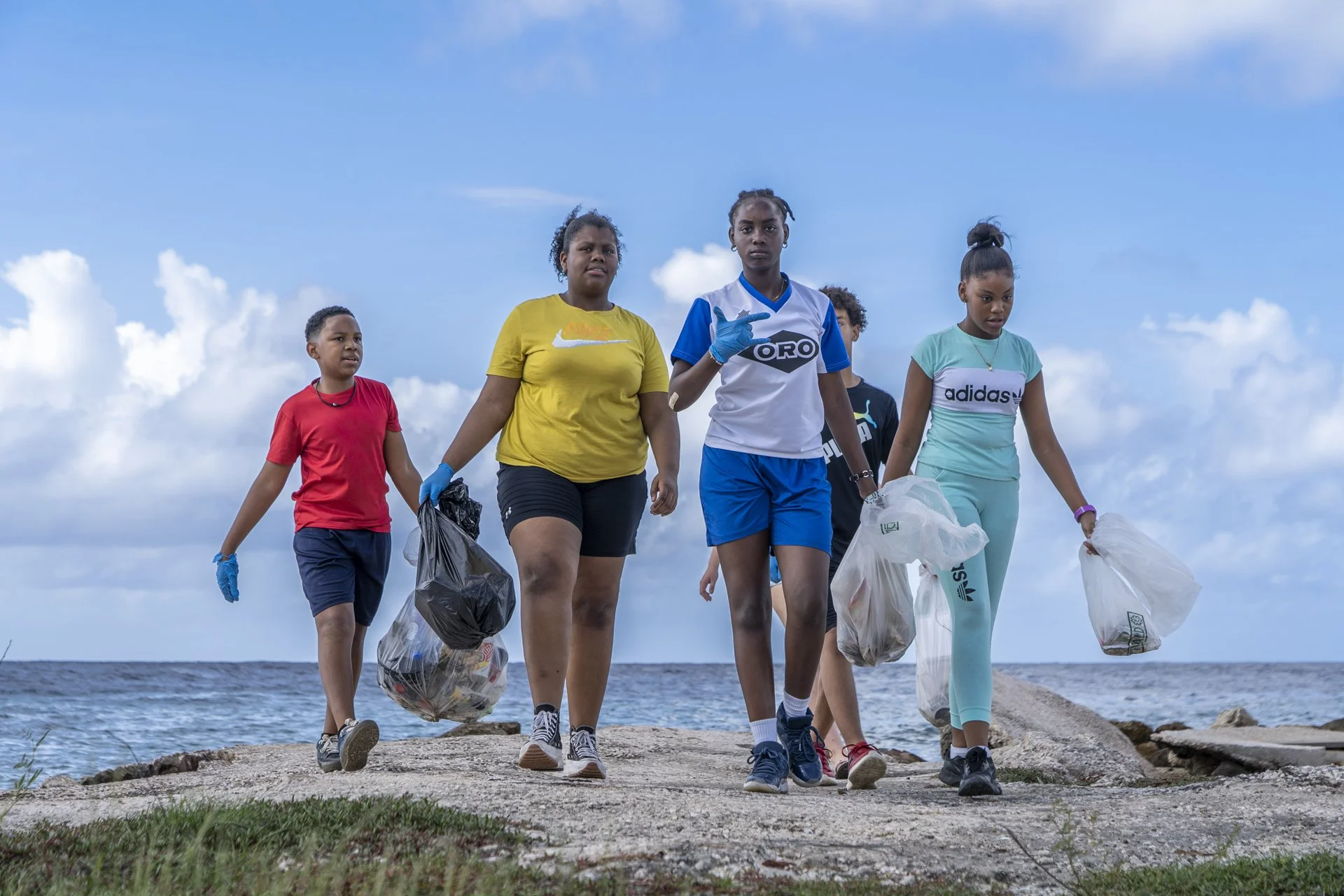
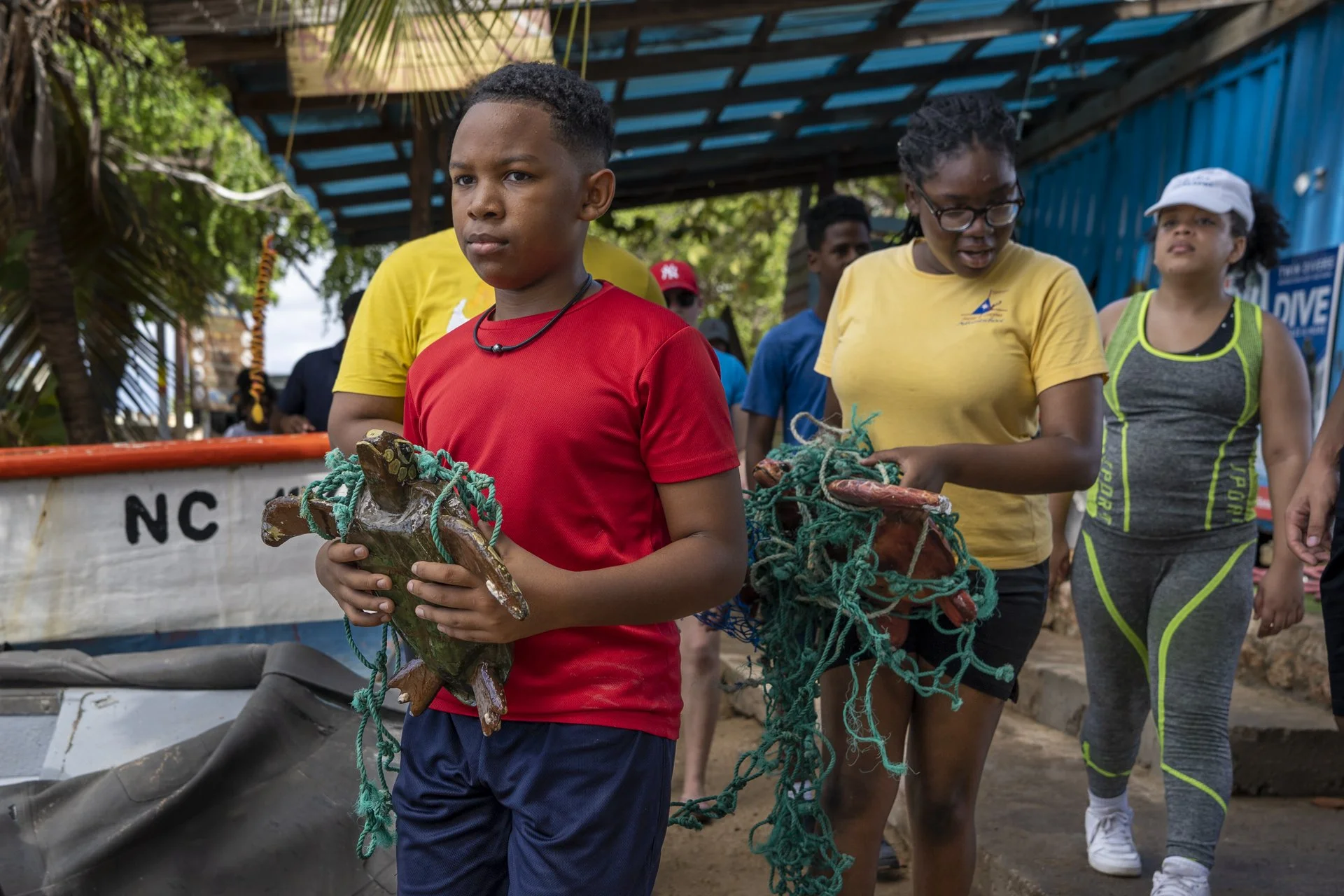
But despite the science, this project is deeply human. Volunteers and staff clean beaches, teach local students, and involve young people in fieldwork. On an island where tourism and nature often collide, they show that conservation and community can reinforce each other.

For me, this project was about showing the connection between people and the animals they’re trying to protect. The hands in the sand, the night walks, the quiet moments when a turtle lifts her head above the surface. Sea turtle conservation here is slow, patient work, built on hope and long-term commitment.

And every nest, every dataset, every rescued turtle is a small victory in a much bigger story.

Macaw Reïntroduction Costa Rica
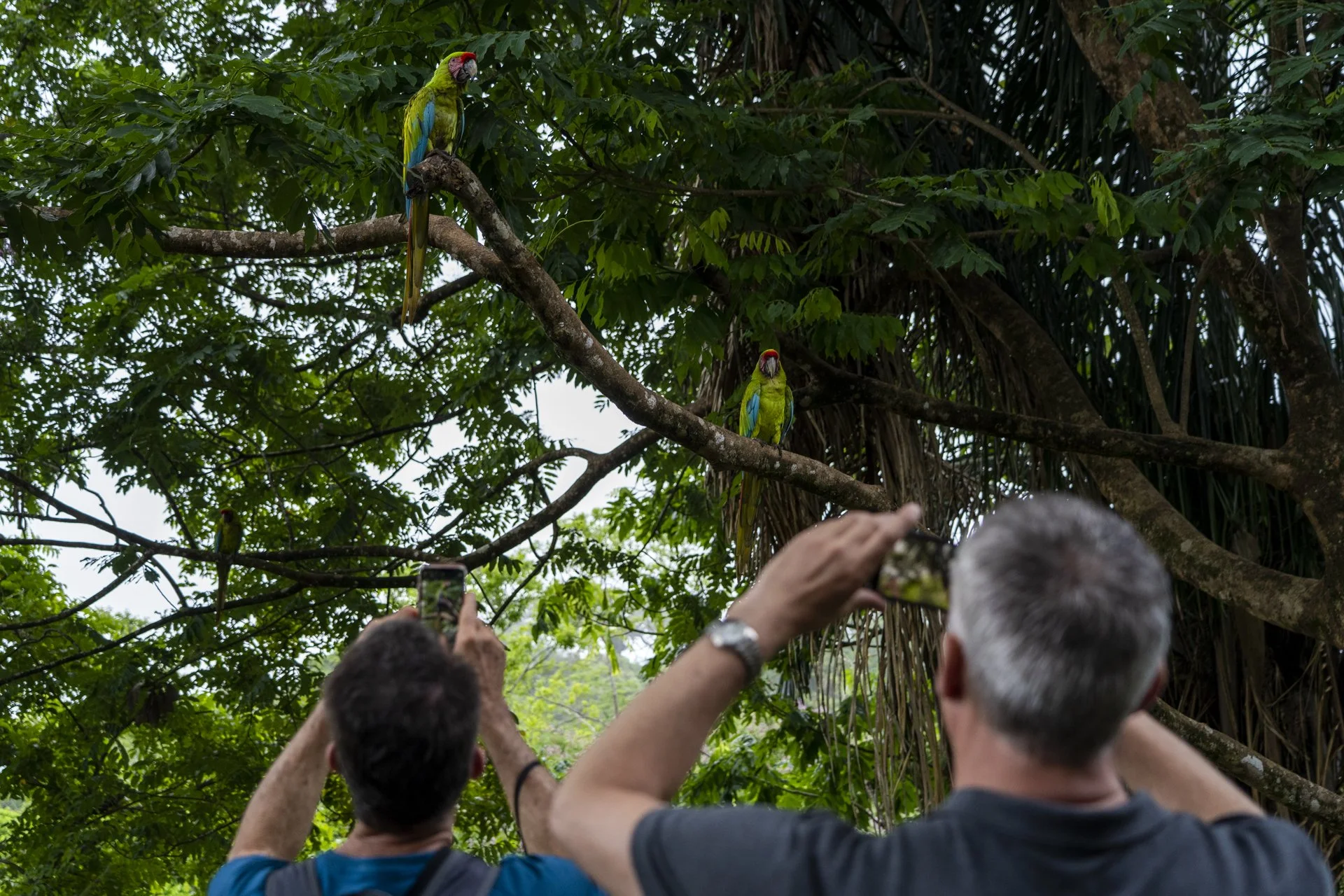
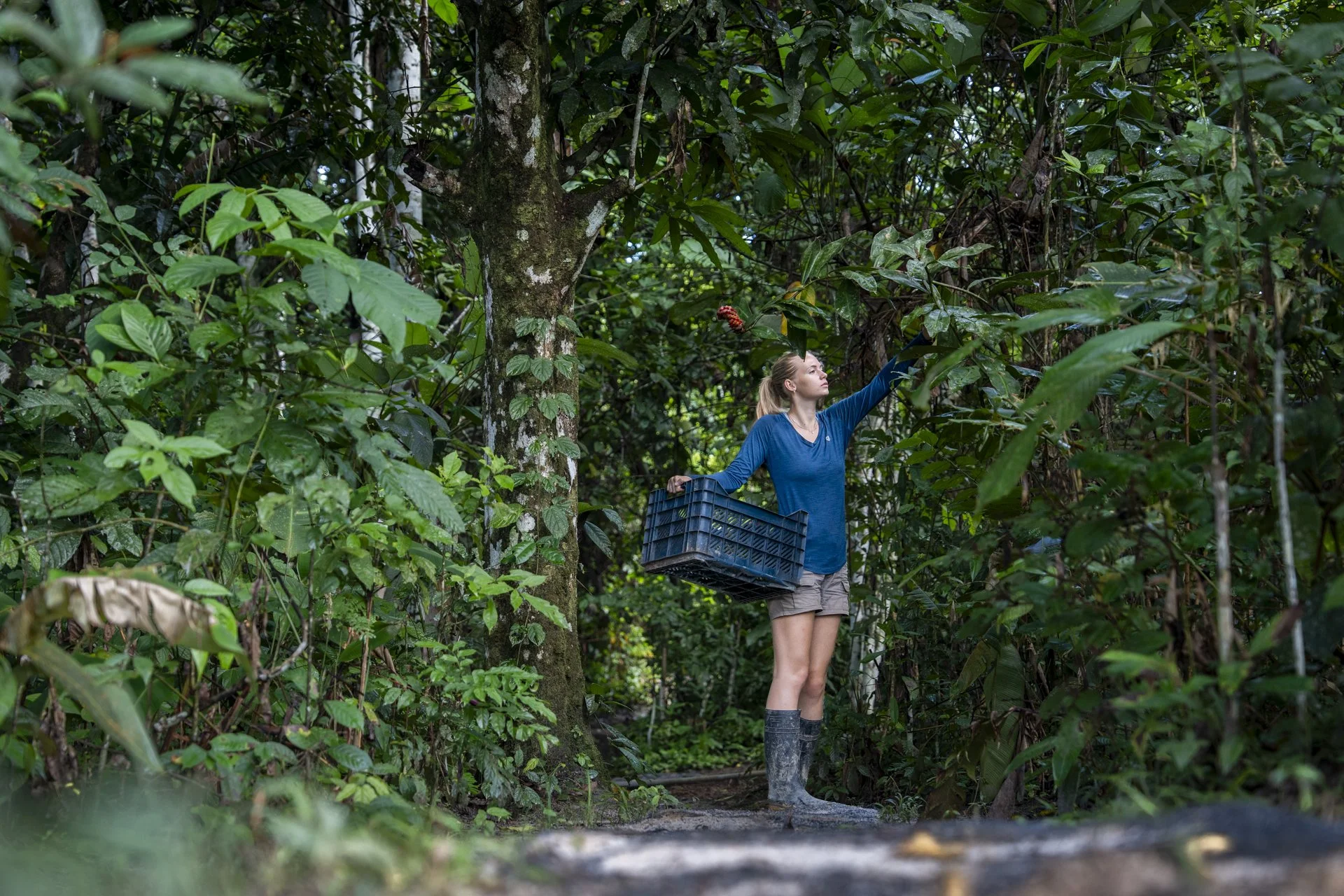
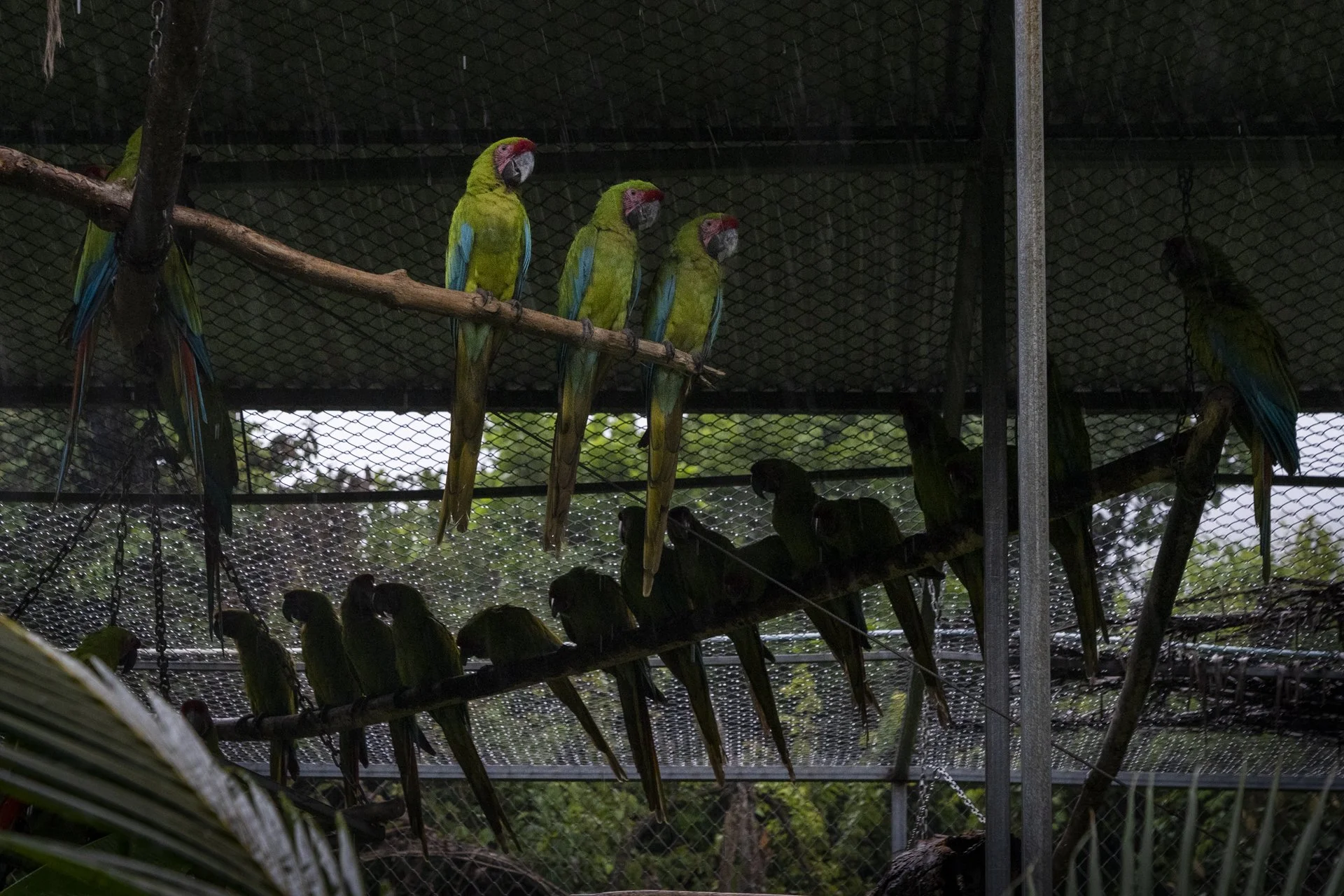
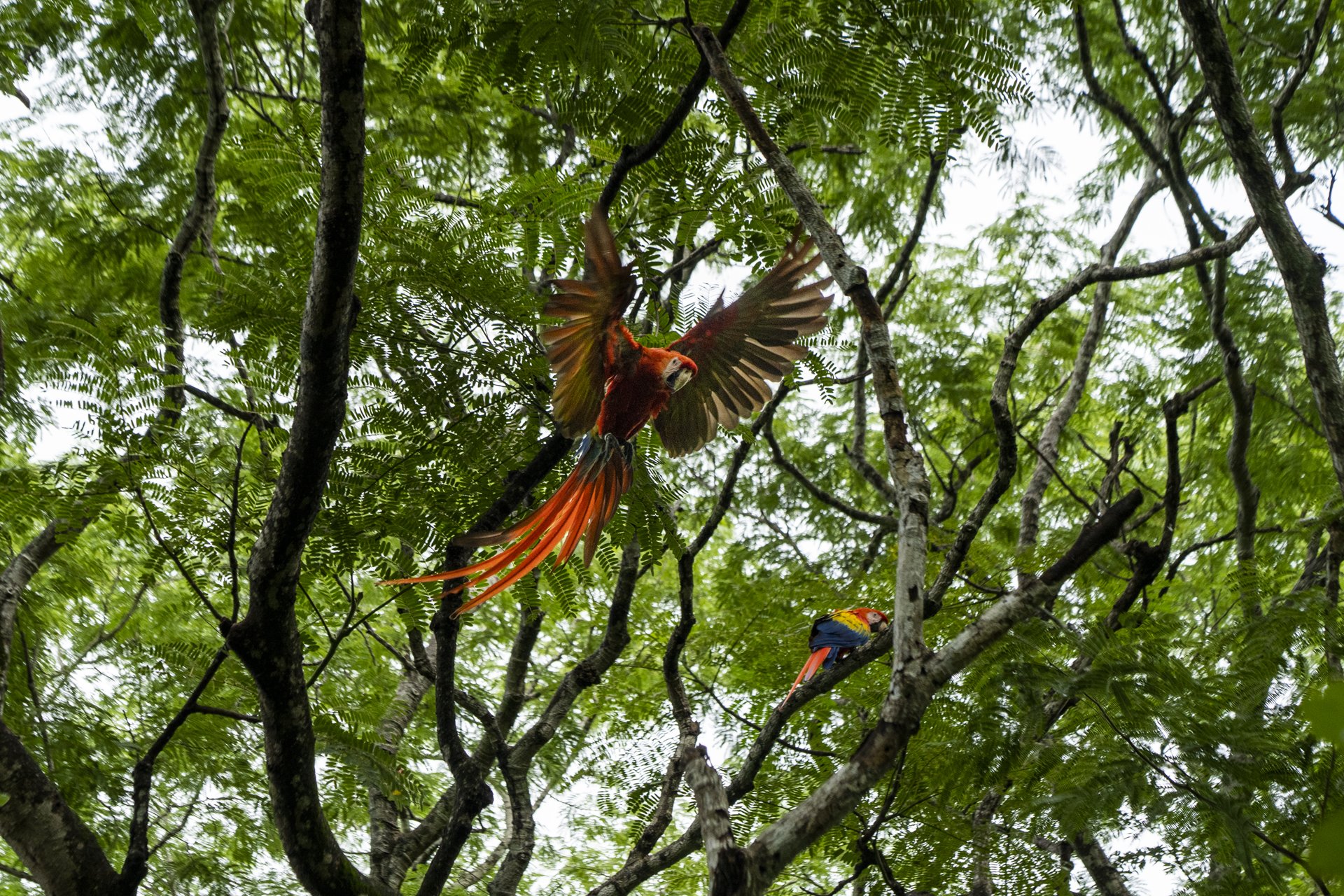
Costa Rica once held vast, uninterrupted rainforest. And with it, thriving populations of Great Green and Scarlet Macaws. In the late 90’s that was different: forests reduced to fragments, key tree species cut down, and macaws surviving only in a few isolated pockets. But now I saw something else: people working tirelessly to bring them back.

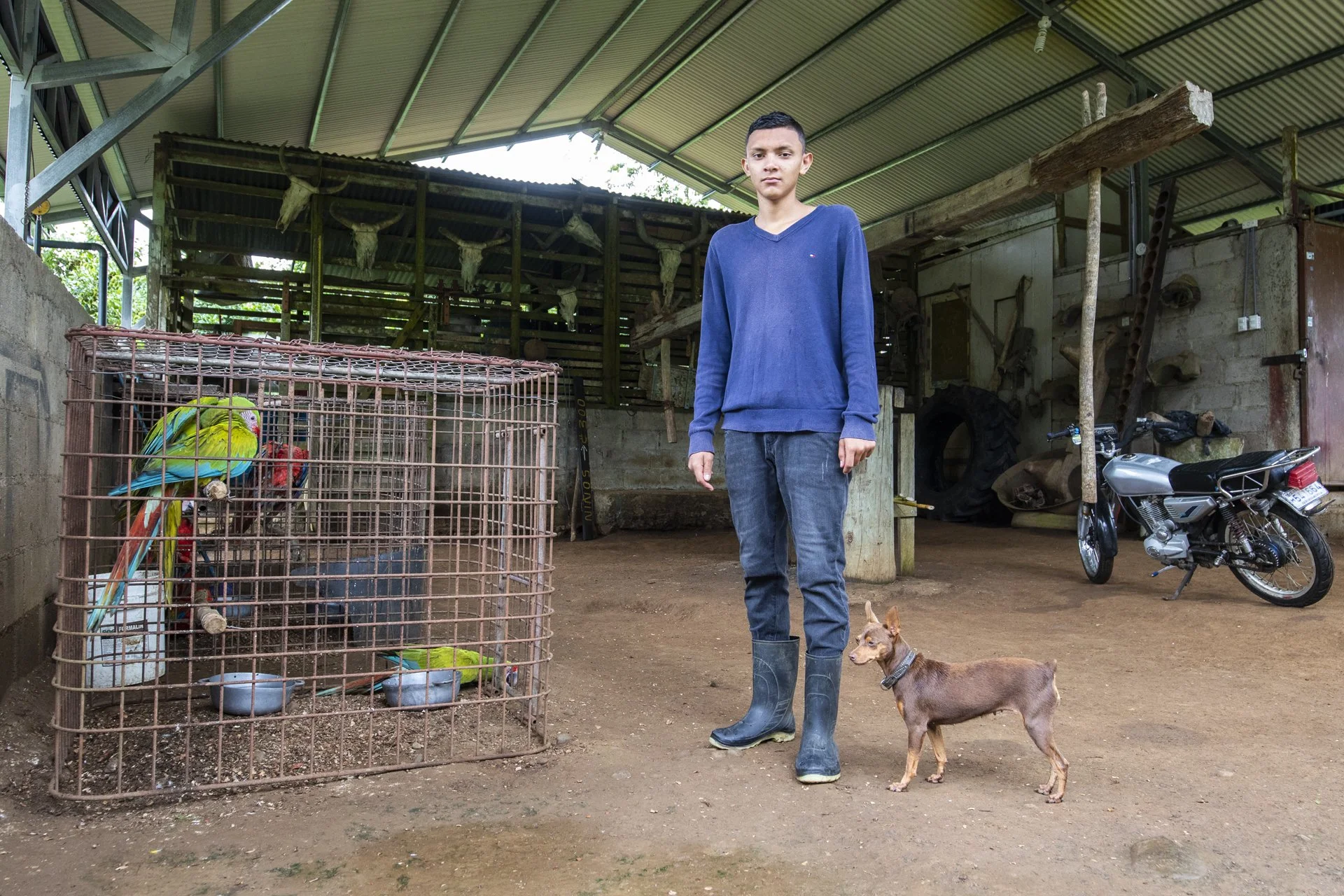
I followed two reintroduction projects built on science, community involvement and decades of commitment: Ara Manzanillo and the Macaw Recovery Network. Both approach conservation differently, but share the same long-term vision: restoring self-sustaining wild macaw populations in regions where they had completely disappeared.

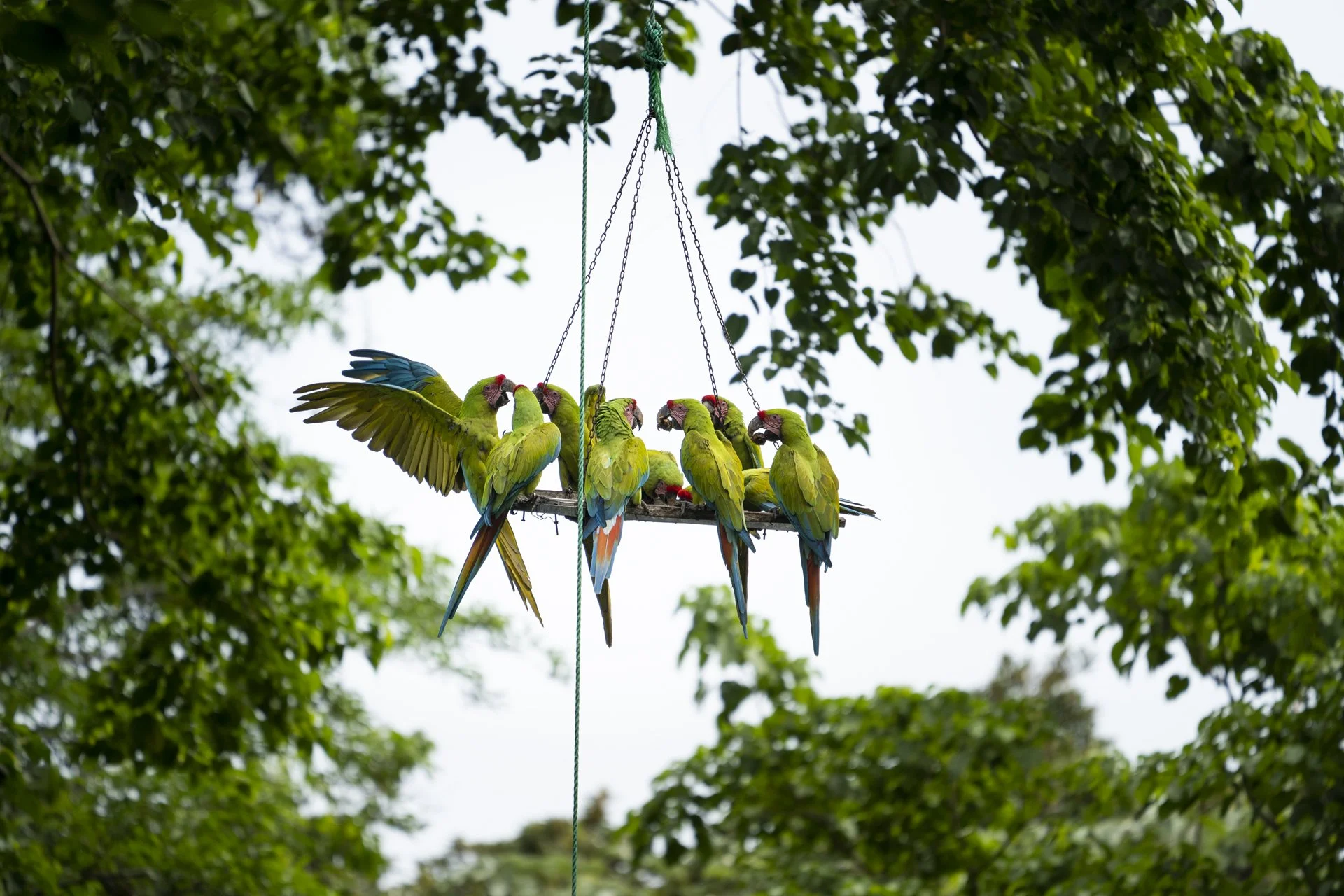
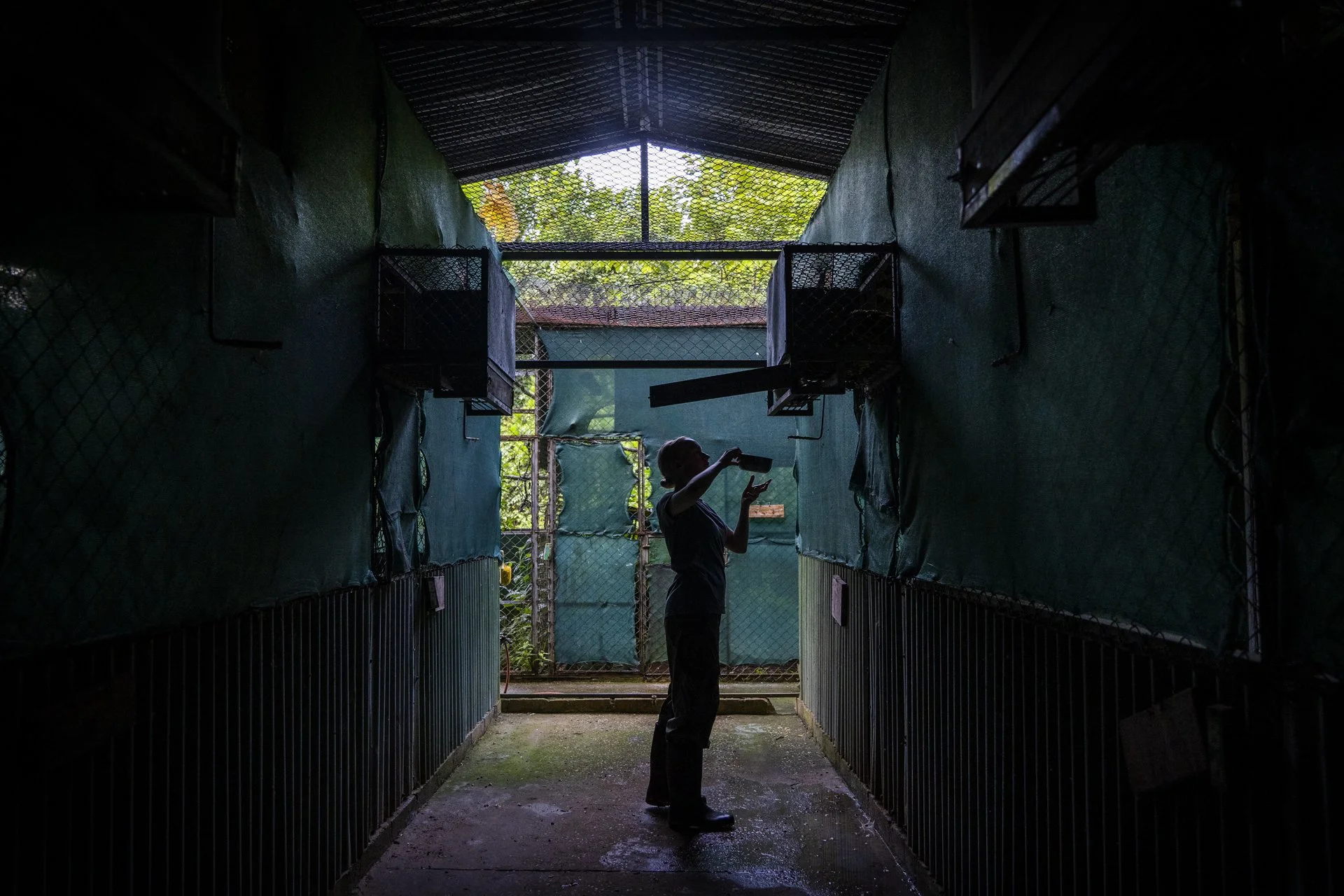
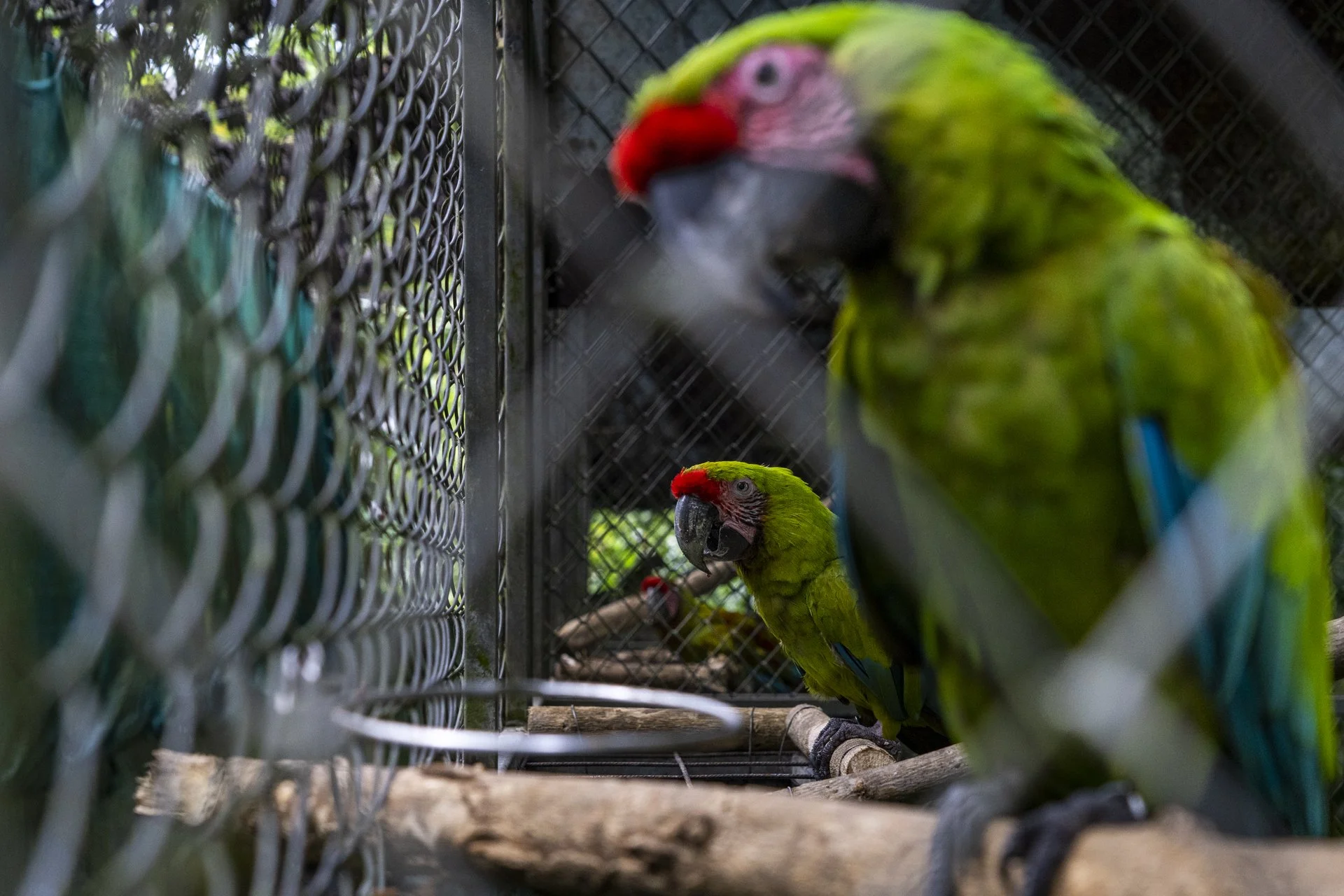
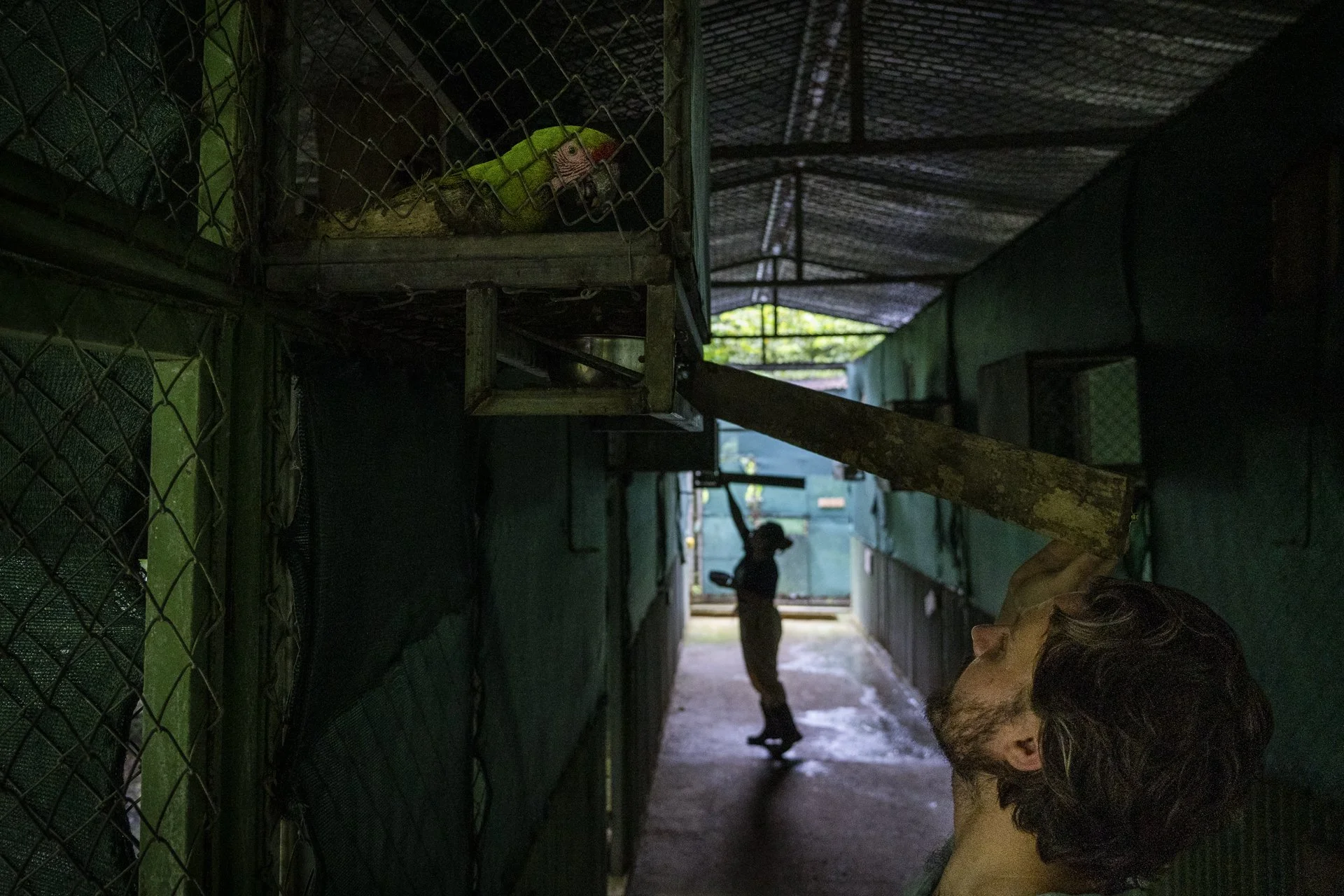
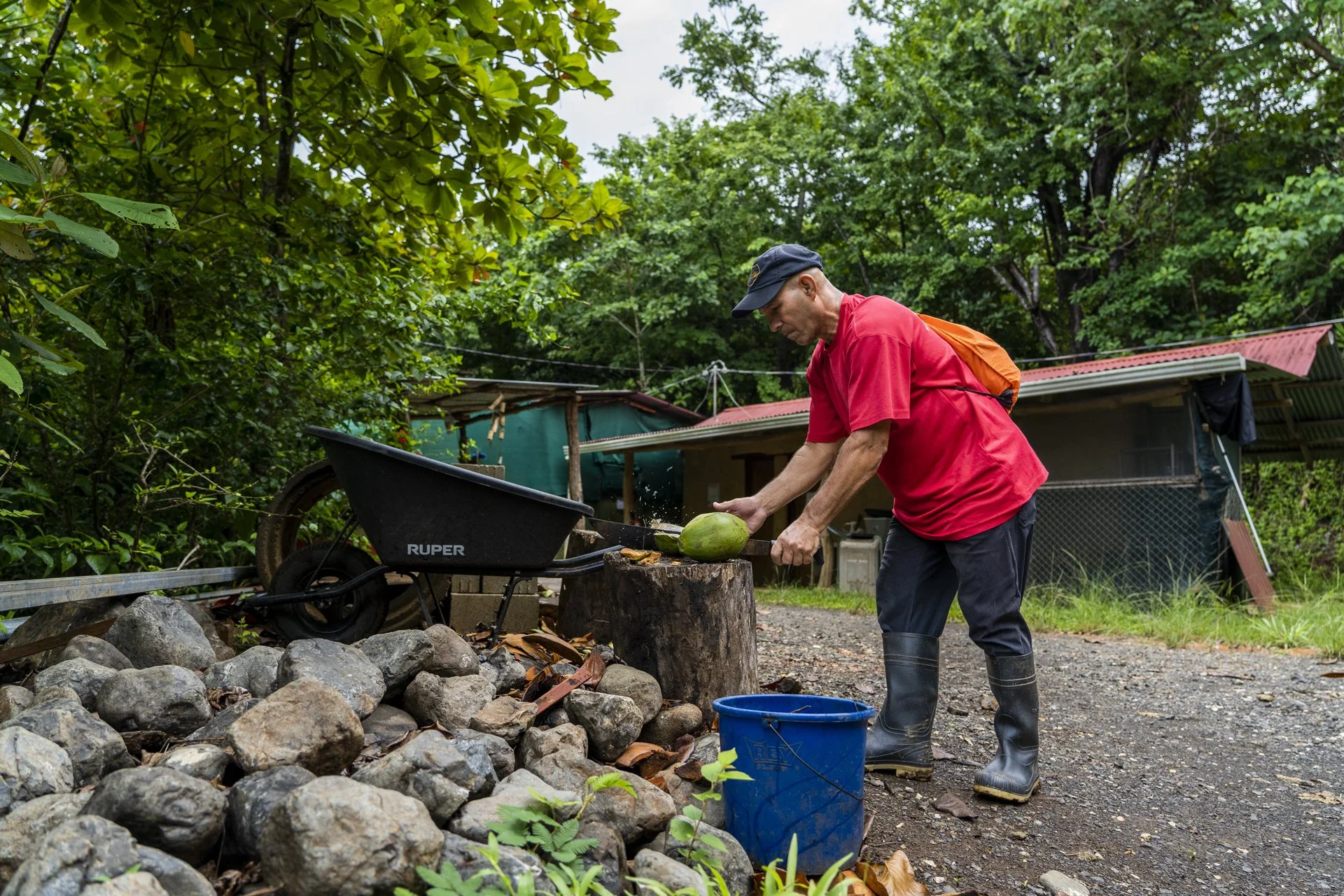
At Ara Manzanillo, I documented the first-ever release programme for the Great Green Macaw. Birds raised in captivity slowly learned to adapt to the rainforest, returning daily to feeding stations while they figured out how to survive independently. Nest boxes were installed across private lands to give them a chance to breed again, and by 2022 more than 50 young macaws had successfully fledged from these artificial nests .

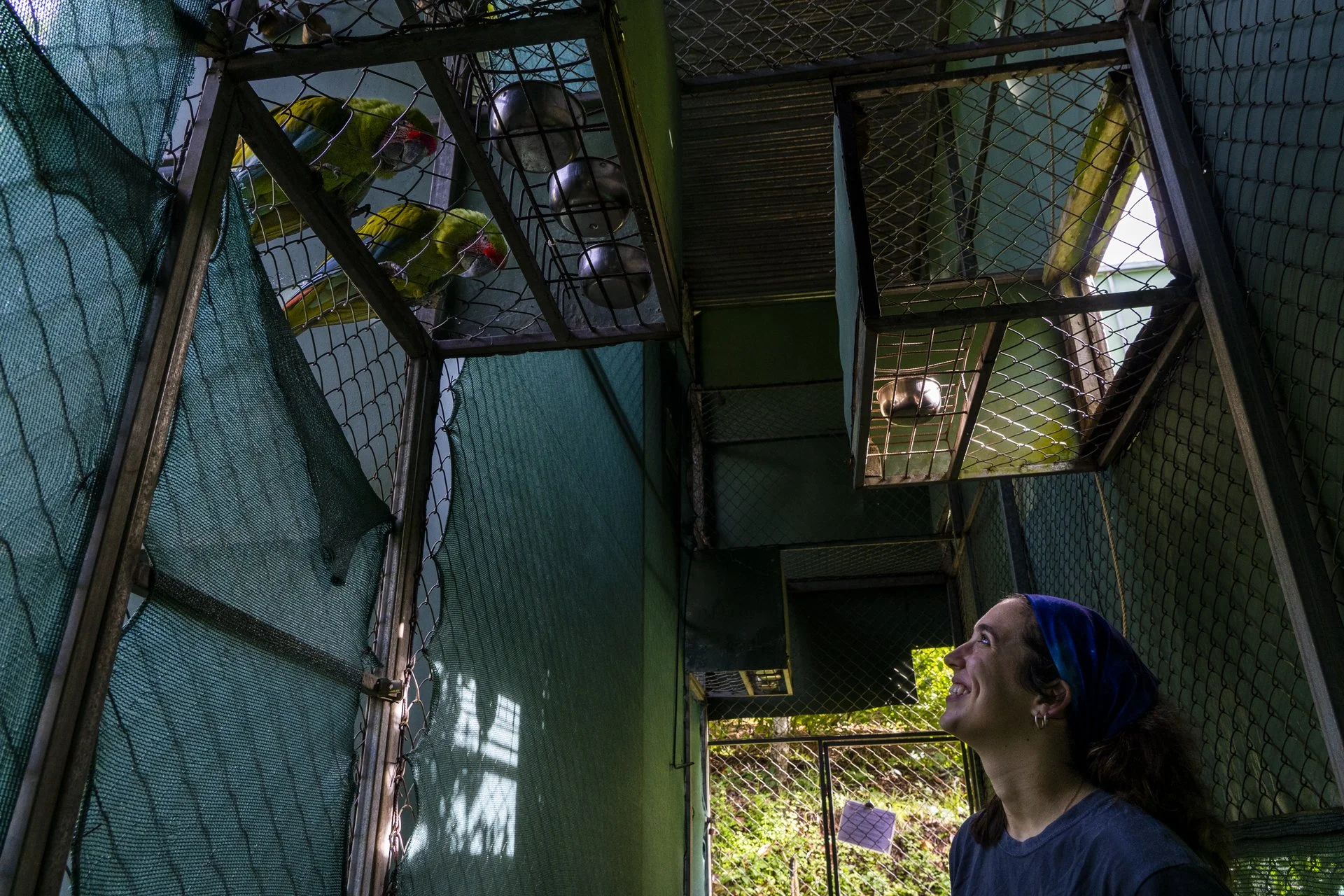
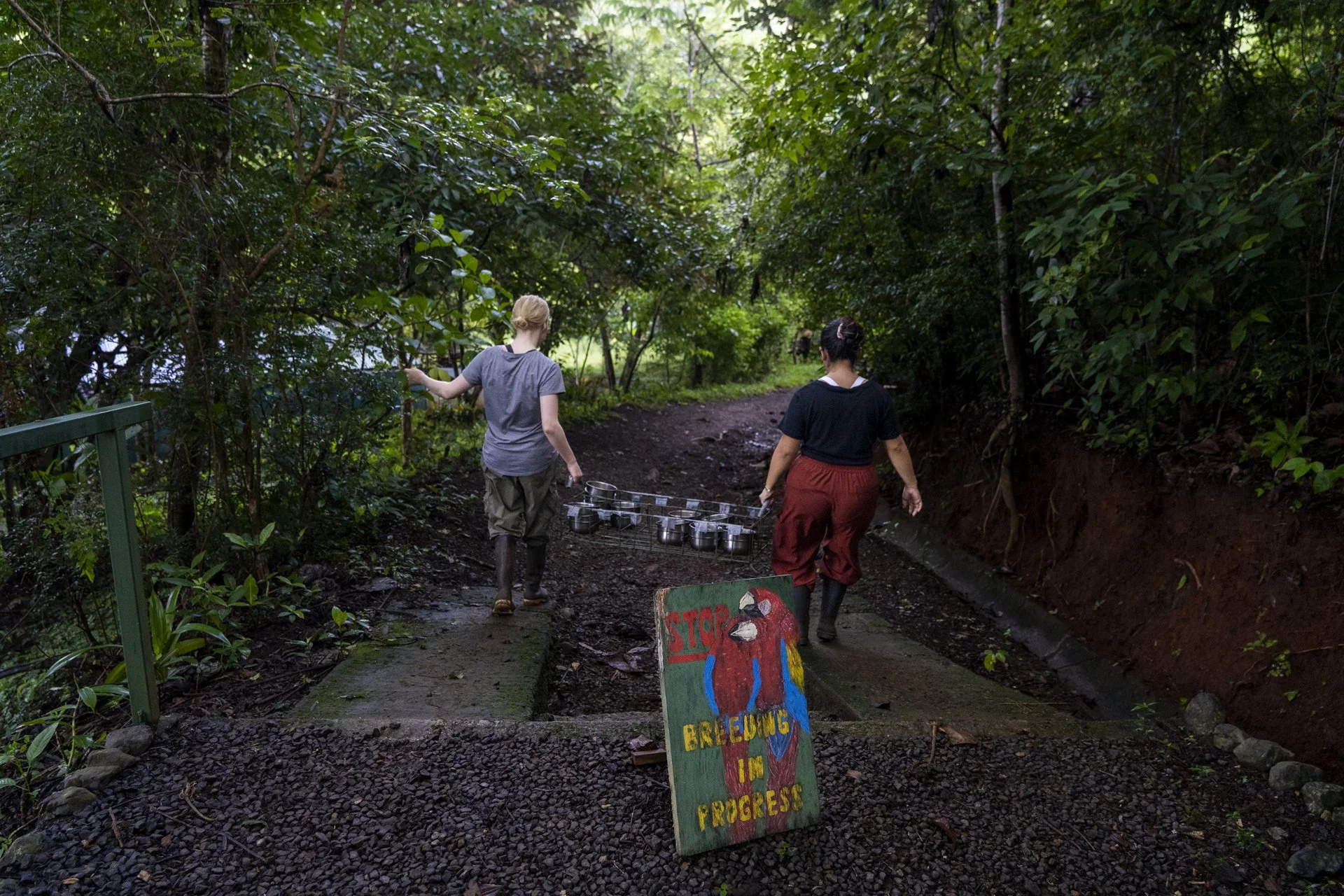
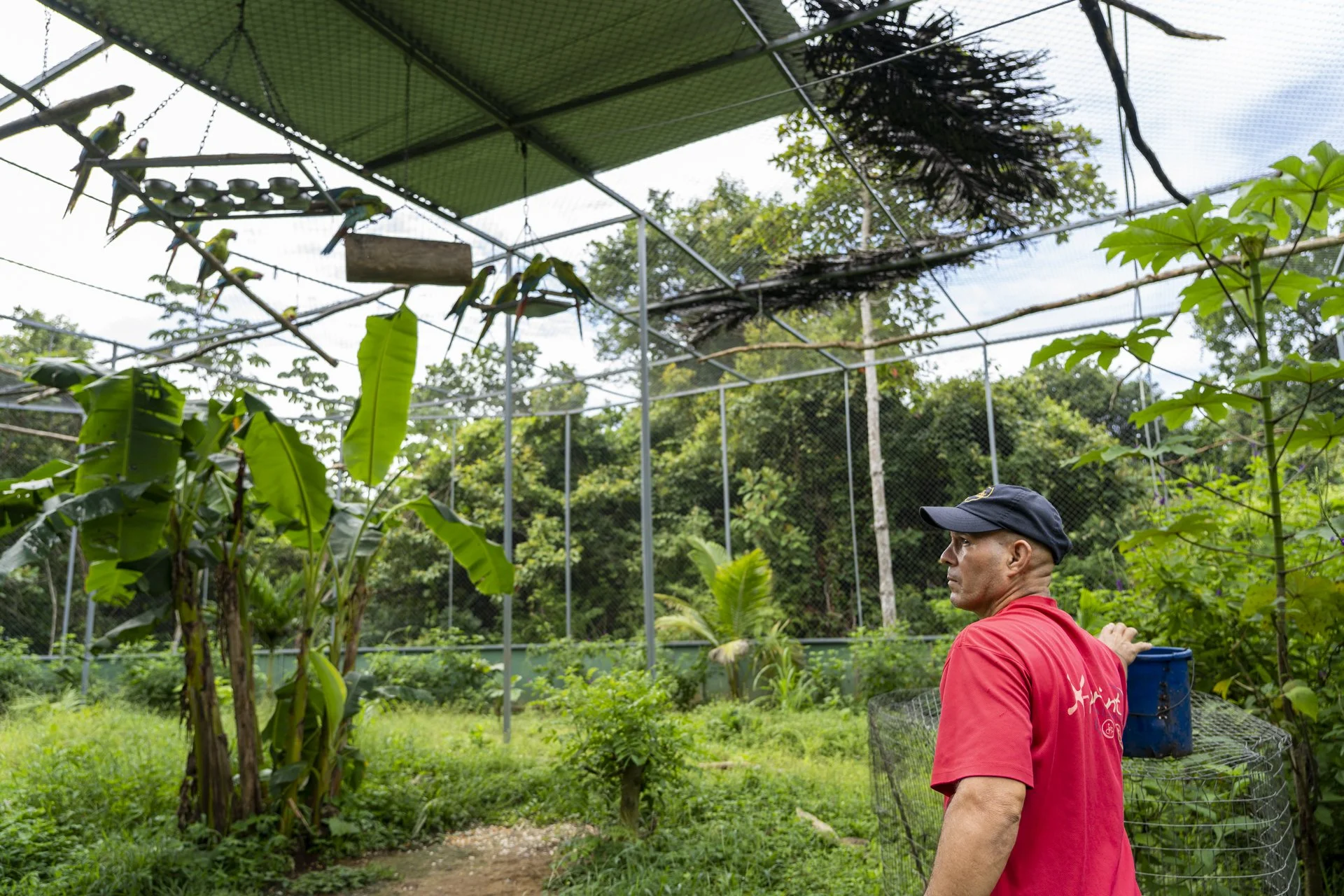
With the Macaw Recovery Network, I joined the team at their breeding centre in Punta Islita. Here, I photographed the long, careful process of raising chicks for release. A nearly five-year journey involving flight training, social bonding in large aviaries and constant health checks. Birds too injured or imprinted to return to the wild now act as breeding parents, giving their offspring a second chance at freedom.

Both projects rely heavily on local communities: landowners protecting almond trees, volunteers feeding birds at sunrise, biologists tracking movements through dense forest. Conservation here isn’t just science, it’s daily work, early mornings, repairs, cleaning, feeding, and endless patience.

This project is about recovery after loss. About people choosing to rebuild an ecosystem one seed, one nest box and one macaw at a time. And about the moment a flock lifts off into the rainforest. A sight Costa Rica nearly lost, and one that dedicated conservationists brought back to life.

Next
Next

The surface